
Break free from Big Tech censorship. Discover video platforms that champion free expression and give creators control over their content.
Platforms like YouTube often face criticism for their overreaching content moderation policies, which many view as a form of censorship that stifles free speech. This underscores the importance of using a free speech-friendly video platform.
Such platforms encourage open dialogue and the exchange of diverse viewpoints, crucial for the health of a democratic society. They allow individuals to express their thoughts without the fear of undue restriction, fostering a culture of innovation and critical reflection.
Additionally, these platforms provide a vital space for voices that may be marginalized or overlooked by mainstream media, supporting a more informed and actively engaged society.

Rumble, launched in 2013 as a video-sharing service, has evolved into a platform known for its emphasis on free speech and less restrictive content moderation compared to more established platforms like YouTube. It allows users to upload, view, and stream live video, supporting various formats and resolutions. The platform offers features typical of video hosting services, such as monetization through ads and sponsorships, audience engagement tools like comments, likes, and shares. However, Rumble's approach to monetization is more favorable to content creators than its competitors, taking less (and sometimes even zero) of a cut than Big Tech rivals.
Rumble also offers Rumble Studio, an all-in-one tool that streamlines the live streaming process, enabling creators to effortlessly broadcast video across multiple platforms, including Rumble, Locals, YouTube, Twitch, Facebook, and others like Kick.




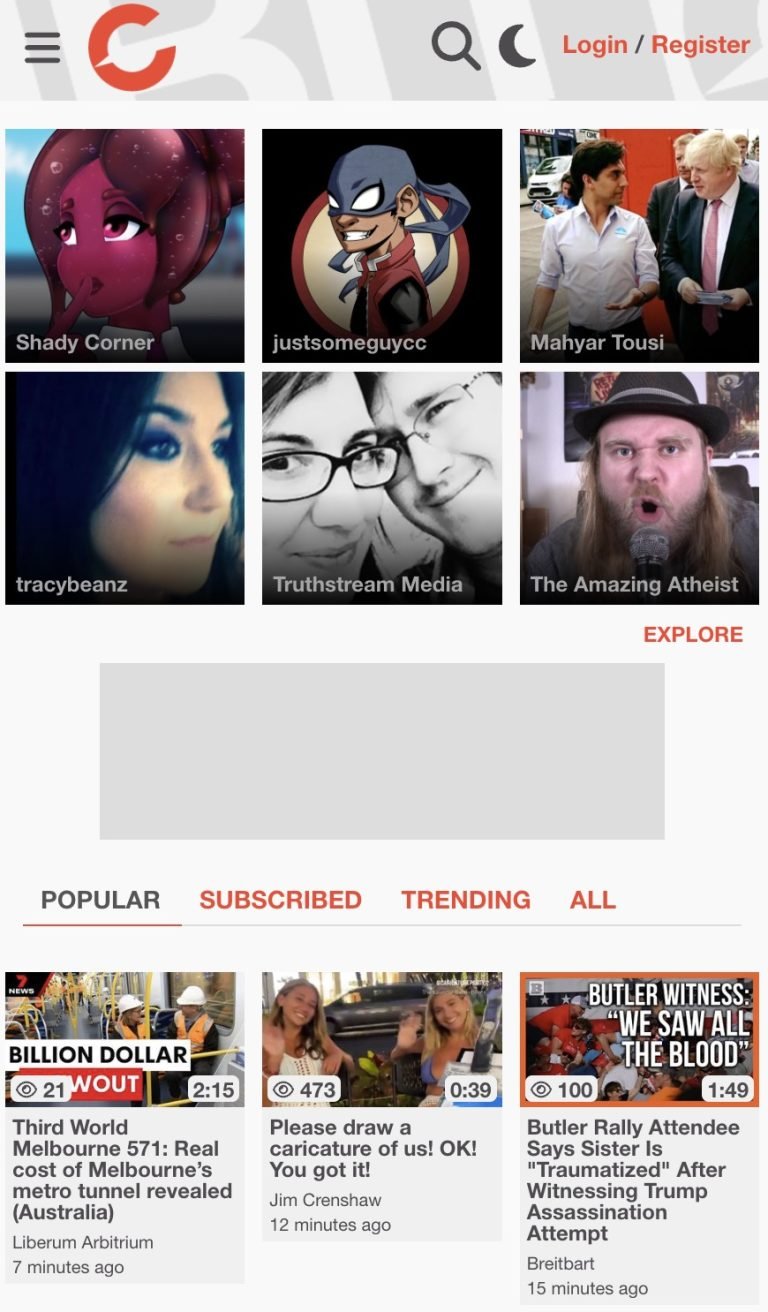
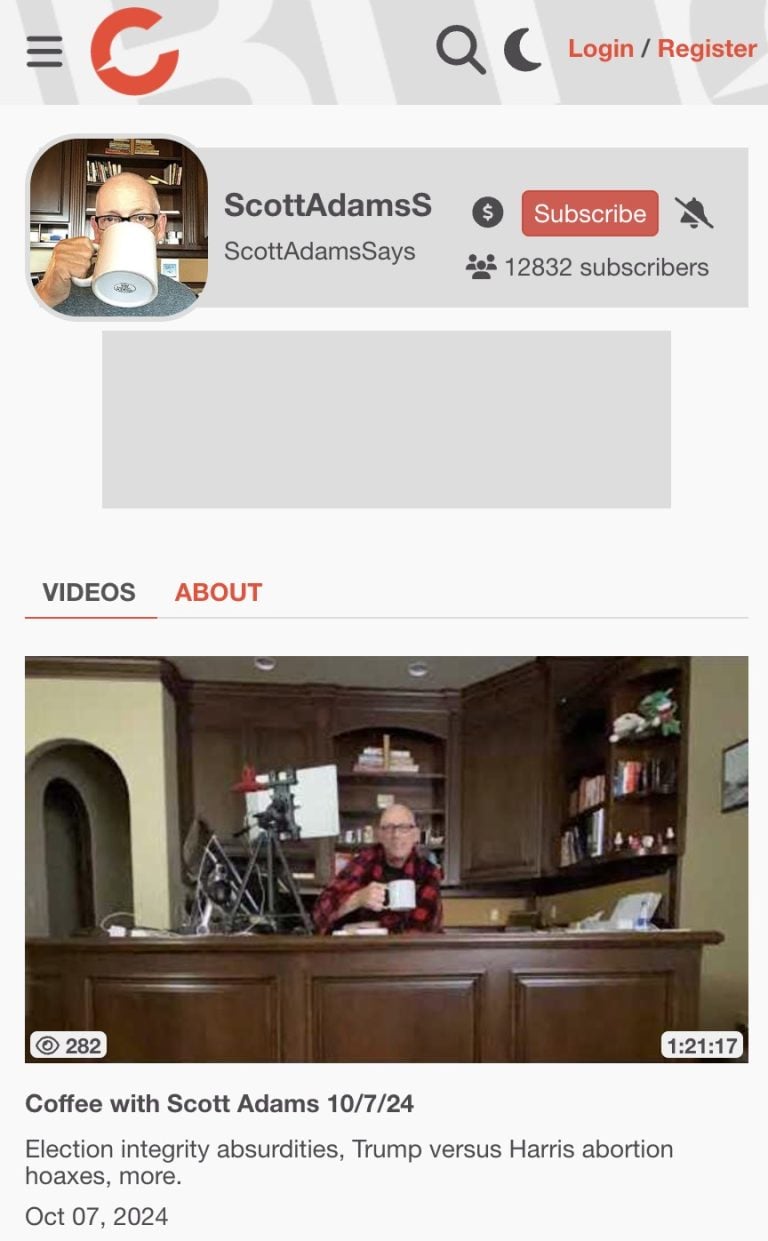
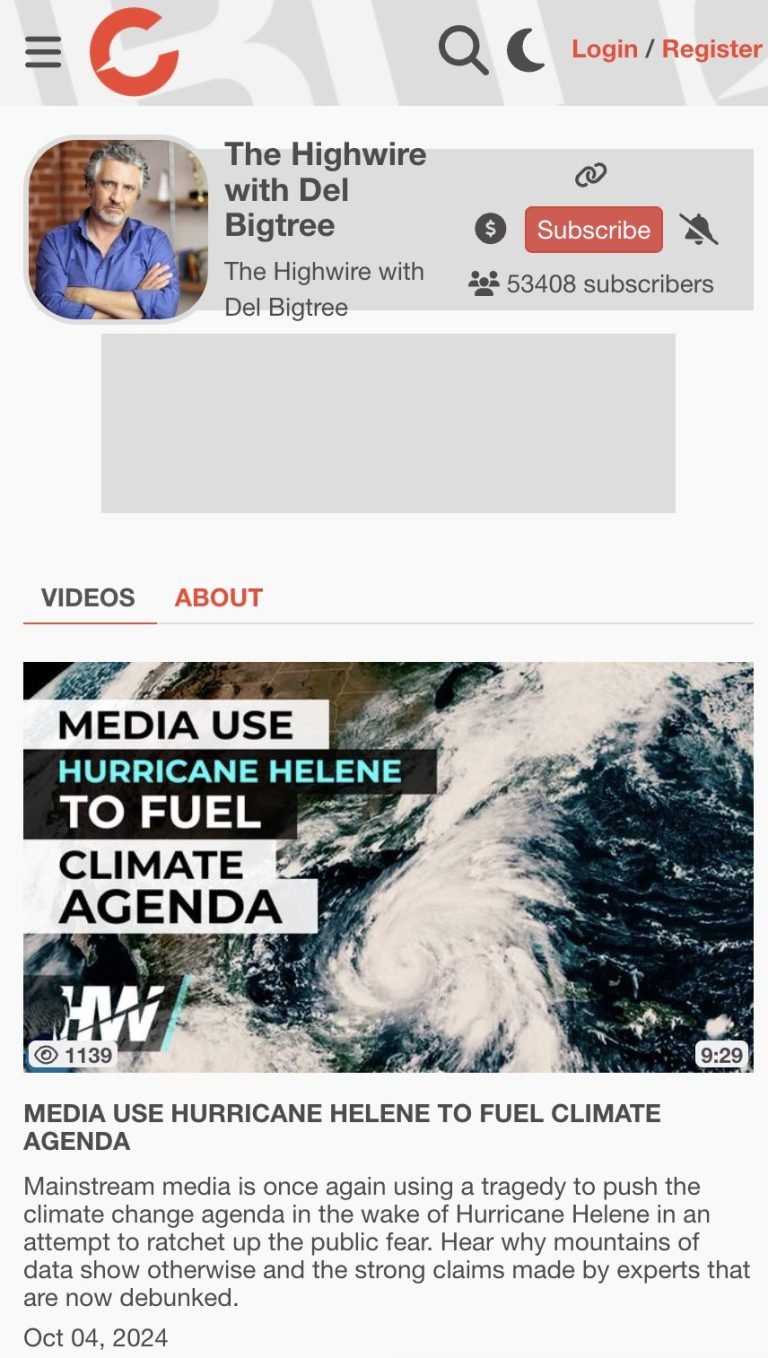
Odysee is a video-sharing platform that champions free speech and minimal censorship. It differentiates itself from mainstream platforms like YouTube by utilizing blockchain technology, ensuring transparency and resistance to censorship. Unlike traditional centralized platforms, Odysee's decentralized architecture prevents a single entity from controlling content management and moderation.
In a significant technological shift, Odysee has announced plans to migrate to the decentralized Arweave network. This move will further enhance its commitment to permanence and resistance against censorship. Arweave allows data to be stored permanently in a decentralized manner, making it almost impossible to alter or delete once published.




BitChute is a video hosting service launched in 2017, recognized for its strong commitment to free speech. It was established as an alternative to mainstream platforms like YouTube, catering to individuals and creators seeking more freedom in expressing their views, especially those who felt limited or censored on other sites.
The platform distinguishes itself through its use of peer-to-peer technology, which differs from the traditional hosting methods of other major video platforms. This approach enhances the decentralization of content distribution, potentially offering greater resilience against centralized control and promoting a more open environment for expression.

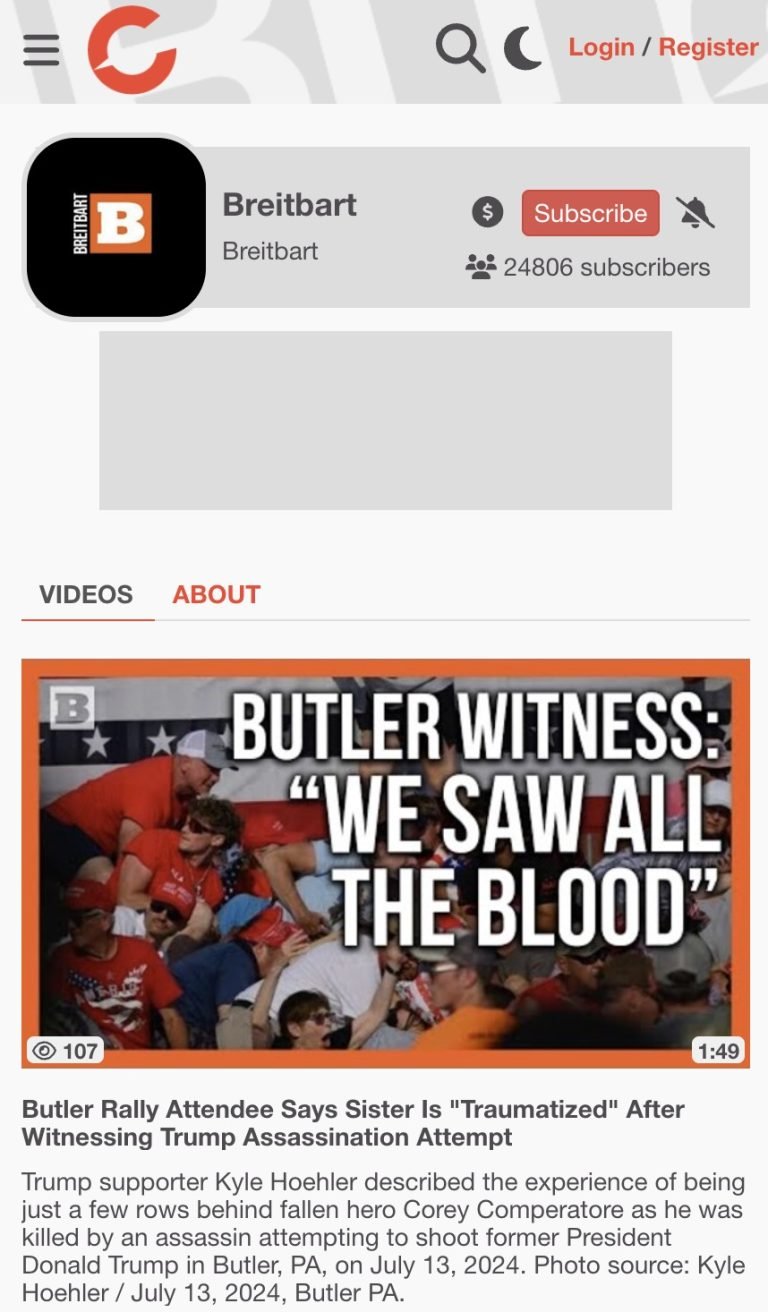
A free, open-source, decentralized, peer-to-peer, federated video sharing platform that's powered by ActivityPub and WebTorrent protocols. Anyone can start a PeerTube instance and set their own rules and content moderation standards. Each PeerTube instance can connect with other PeerTube instances and other platforms that use the ActivityPub protocol such as the social network Mastodon.
This distributed setup with multiple local hosts sets PeerTube apart from many of its competitors because a community of hundreds of interconnected instances gets to set the rules for their communities. PeerTube doesn't track its users which means there are no targeted ads or hidden algorithms.

AltCensored is a unique platform that serves as a repository for videos that have been removed or banned from YouTube. It provides a space for content that has been deemed too controversial or against the policies of mainstream video platforms, ensuring that such content remains accessible to those who seek it.
The platform is particularly valuable for researchers, journalists, and anyone interested in understanding the types of content that get censored on major platforms. It serves as both a free speech archive and a tool for transparency in content moderation practices.
Reclaim The Net is reader-funded. Join our community and get access to more privacy guides, tool recommendations, and in-depth investigations.
Become a Member