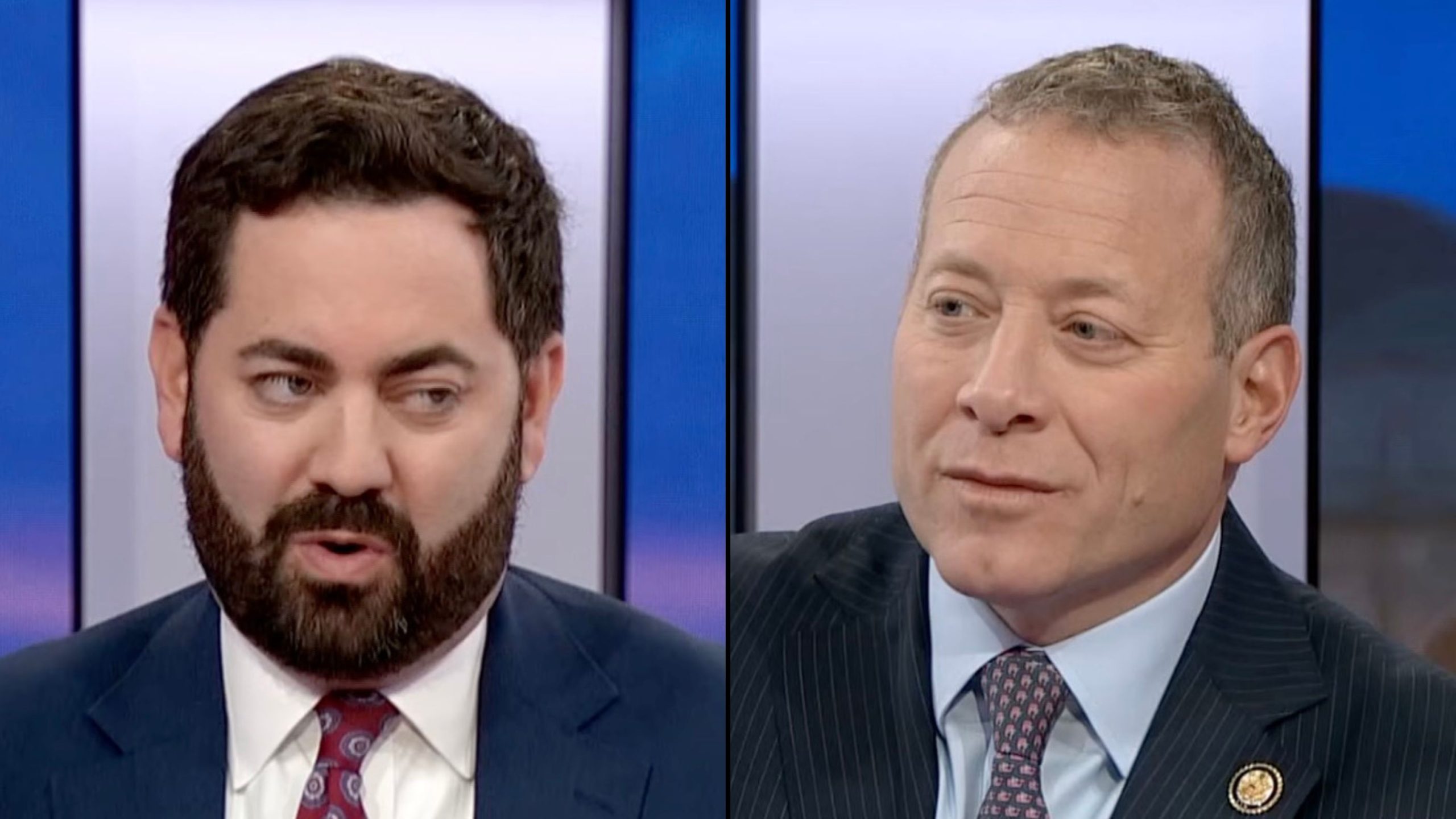
As Expected, a Hearing on Kids Online Safety Becomes a Blueprint for Digital ID
The room buzzed with moral urgency, but the real agenda was control disguised as compassion.

The room buzzed with moral urgency, but the real agenda was control disguised as compassion.

The judges’ skepticism hints at a broader unease with invisible forms of online censorship.

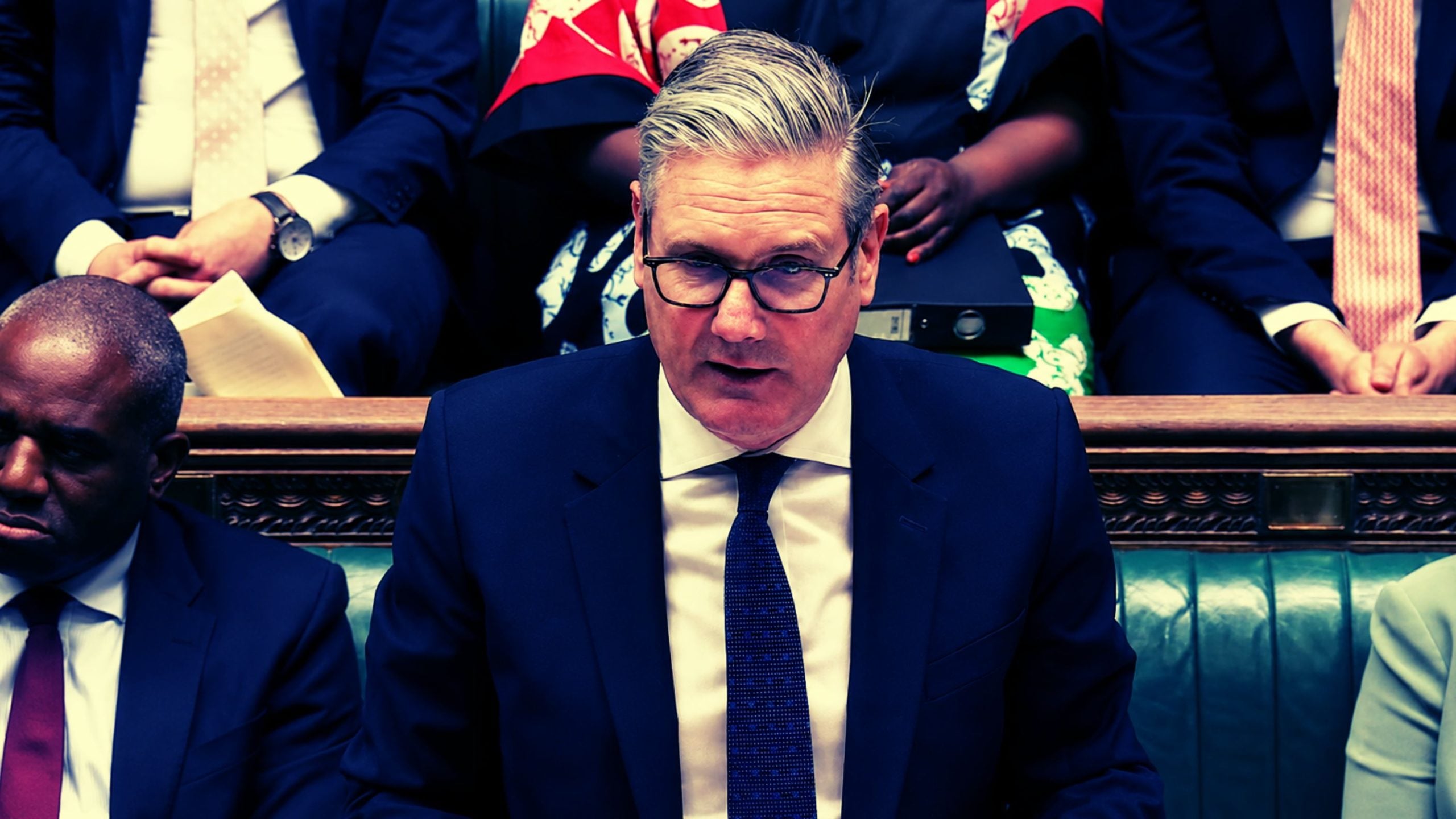
By turning more content censorship into state-backed policy, Ofcom’s new rules edge Britain closer to a government-managed internet in the name of safety.

Bureaucrats once hired to spin the news are now tasked with scanning neighborhood Facebook pages for wrongthink.

The people who think free speech is dangerous now get to decide what counts as a crime.

In a nation where 90 percent of crimes go unsolved, the real emergency seems to be someone being offensive online.

Australia’s online censorship laws are colliding head-on with America’s free speech politics.

Branded a public threat over a tweet, she now needs government clearance to tell the world what the government has done to her.

An Italian court’s pushback against Google turns a local censorship dispute into a landmark test.

A single post lost in the noise of X becomes a case study in how modern states turn minor speech into major control.

A private message turned into a police raid that never should’ve happened.

A fantasy world once bursting with color now drifts in silhouette, caught between artistic vision and Apple’s invisible line.

His crackdown on “falsehoods” may reveal less about public morality than about who gets to define the truth in modern Korea.

The removals highlight the growing influence of government regulation over China’s digital and social platforms.

Barton’s conviction turns the internet’s rough banter into a matter for criminal law.

A Facebook meme turned into a felony case.

Europe’s guardians of tolerance now seem most intolerant of unapproved thoughts.

The “Platform of Respect” reveals how censorship can arrive draped in the language of inclusion.

A morning knock at a Berlin apartment has turned one man’s sarcasm into a national argument over the limits of online expression.

Britain’s push for online “safety” drifts into a realm of digital pre-crime, where algorithms decide guilt before anything gets seen.

The promise of unity is starting to sound like a contract written in conditional freedoms.

Another round in Algeria’s long duel between political speech and presidential pride.

A small step in the right direction for free speech.

The charges may be dropped but the arrest leaves behind a chilling portrait of a country increasingly turning against free speech.

The room buzzed with moral urgency, but the real agenda was control disguised as compassion.

The judges’ skepticism hints at a broader unease with invisible forms of online censorship.

By turning more content censorship into state-backed policy, Ofcom’s new rules edge Britain closer to a government-managed internet in the name of safety.

Bureaucrats once hired to spin the news are now tasked with scanning neighborhood Facebook pages for wrongthink.

The people who think free speech is dangerous now get to decide what counts as a crime.

In a nation where 90 percent of crimes go unsolved, the real emergency seems to be someone being offensive online.

Australia’s online censorship laws are colliding head-on with America’s free speech politics.

Branded a public threat over a tweet, she now needs government clearance to tell the world what the government has done to her.

An Italian court’s pushback against Google turns a local censorship dispute into a landmark test.

A single post lost in the noise of X becomes a case study in how modern states turn minor speech into major control.

A private message turned into a police raid that never should’ve happened.

A fantasy world once bursting with color now drifts in silhouette, caught between artistic vision and Apple’s invisible line.

His crackdown on “falsehoods” may reveal less about public morality than about who gets to define the truth in modern Korea.

The removals highlight the growing influence of government regulation over China’s digital and social platforms.

Barton’s conviction turns the internet’s rough banter into a matter for criminal law.

A Facebook meme turned into a felony case.

Europe’s guardians of tolerance now seem most intolerant of unapproved thoughts.

The “Platform of Respect” reveals how censorship can arrive draped in the language of inclusion.

A morning knock at a Berlin apartment has turned one man’s sarcasm into a national argument over the limits of online expression.

Britain’s push for online “safety” drifts into a realm of digital pre-crime, where algorithms decide guilt before anything gets seen.

The promise of unity is starting to sound like a contract written in conditional freedoms.

Another round in Algeria’s long duel between political speech and presidential pride.

A small step in the right direction for free speech.

The charges may be dropped but the arrest leaves behind a chilling portrait of a country increasingly turning against free speech.