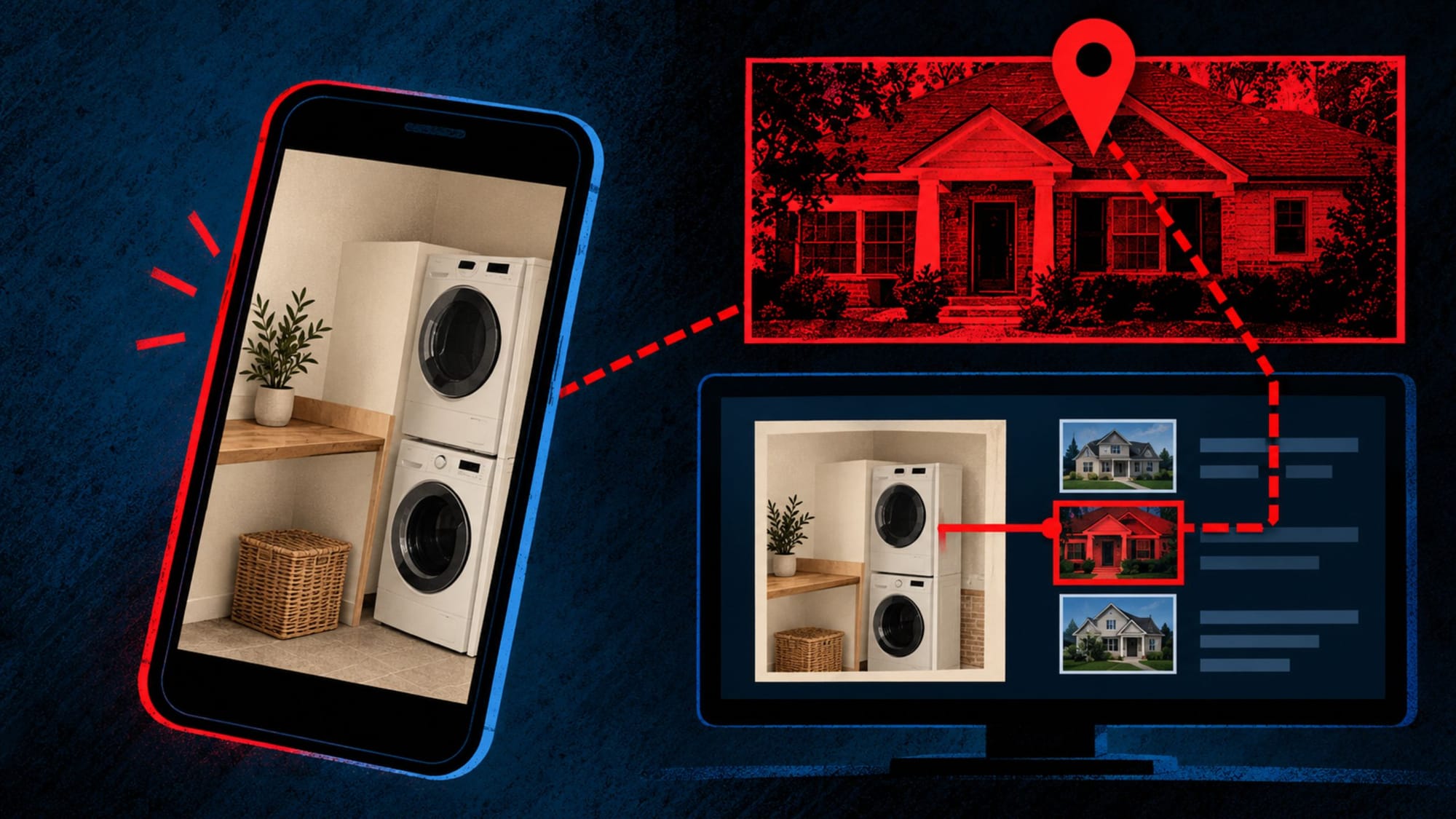
Google has changed its privacy policy, allowing it to use content from Gmail, Drive, and Photos to target ads, if those services are connected to its Personal Intelligence AI feature, available in Search and Gemini.
Previously, the policy flat out stated that Google does not show personalized ads based on the content from these three services. Now, that has changed to: “We don’t show you personalized ads based on your content from Drive, Gmail, or Google Photos, unless you choose to make data from these services available to other Google services that support personalized ads.”
The change in policy was made on October 16, and affects users who connect Gmail, Google Photos, or Google Drive to Personal Intelligence AI in Search or Gemini, something that Google is constantly pushing users to activate.
The policy also now says that “For example, Search may process some of the data that you allow Search to access to personalize content, including ads.”
Meanwhile, a Google Search help page explains that “Search may reference summaries, excerpts and inferences from these sources to personalize your experience and do things for you. That same info may be used to show you ads, so they are even more helpful for you.”
However, just a few lines up, the same page states that “Ads will not be based directly on your Gmail inbox or your Google Photos library.”
That last statement is particularly interesting, because the word “directly” is doing a lot of heavy lifting there. In other words, the ads will be based on “summaries, excerpts and inferences” – not “directly” on the content of the inbox or photo library.
Another promise is that advertisers will not receive the content or identifying information like name or email, and that Google will not target ads based on “sensitive categories, such as race, religion, sexual orientation, or health.”
Personal Intelligence was launched in January as a beta for those using the Google AI Pro and AI Ultra subscriptions in the US. At the time, the company said it would expand the feature “to more countries and to the free tier” in the future. It’s available to people 18 and over.
Google itself pitches Personal Intelligence as “like a personal shopper who already knows your itinerary and the vibe you’re going for.”
A help page for Gemini explains that the data from connected apps is used “to create personal insights about you, your relationships, and the people and things in your world.”
This includes using Google Photos “to infer your interests, relationships to people in your photos, and where you’ve been, including by associating your face with corresponding location data and timestamps.”
And if that’s not invasive enough, Google also warns that a subset of this data may be read by human reviewers, and advises users not to connect their content apps if they contain “personal or confidential information that you wouldn’t want a reviewer to see.”
The same data may also be used for “training generative AI models.”
And if users decide to disconnect the apps, or delete some data, that doesn’t mean the data that has already been saved by Google will be deleted. As the Search help page makes clear: “Disconnecting a connected Google content app or deleting any data in that app doesn’t delete any data from your Search Services History.”
Search Services History is the setting that saves activity across Search, Maps, Shopping, Flights, Hotels, Translate, and News, and is used for “personalized recommendations and ads.”
The new setting was introduced in a way that copies the previous choice of Web & App Activity: “If these were on, these new settings are also on,” the page states.
To stop this, users must disconnect apps from Personal Intelligence, turn off Personalized Recommendations in Search services settings, and delete Search Services History at activity.google.com.
This is not the first time Google has been accused of tricking users into letting it collect more data from them than they might be comfortable with, or of going back on its own promises.
In September 2025, a San Francisco federal jury ordered Google to pay $425 million for collecting data from users who had turned off Web & App Activity. At the time, a spokesperson for the giant said: “Our privacy tools give people control over their data, and when they turn off personalization, we honor that choice.”
In November of the same year, a class action lawsuit was filed, alleging that Google had switched on Gemini by default across Gmail, Chat, and Meet.
The complaint said that Google “turned it on for everyone by default.”
In July 2023, Google changed its privacy policy to allow public posts to be used to train its AI.
The promise of Personal Intelligence, when it was first announced, was to use AI to read your email and provide you with helpful suggestions. Now it turns out that the same capability can be used to target ads at you.
An email inbox contains a lot of private information, from receipts, to travel plans, medical appointments, and conversations with friends and family. The idea that this is used to create “summaries, excerpts and inferences” that can then be used to target ads is the old Google business model – only this time, extended to a place the company had promised it would not go into, and that is inboxes.
This promise has now been rewritten to accommodate the change, by adding an exception.