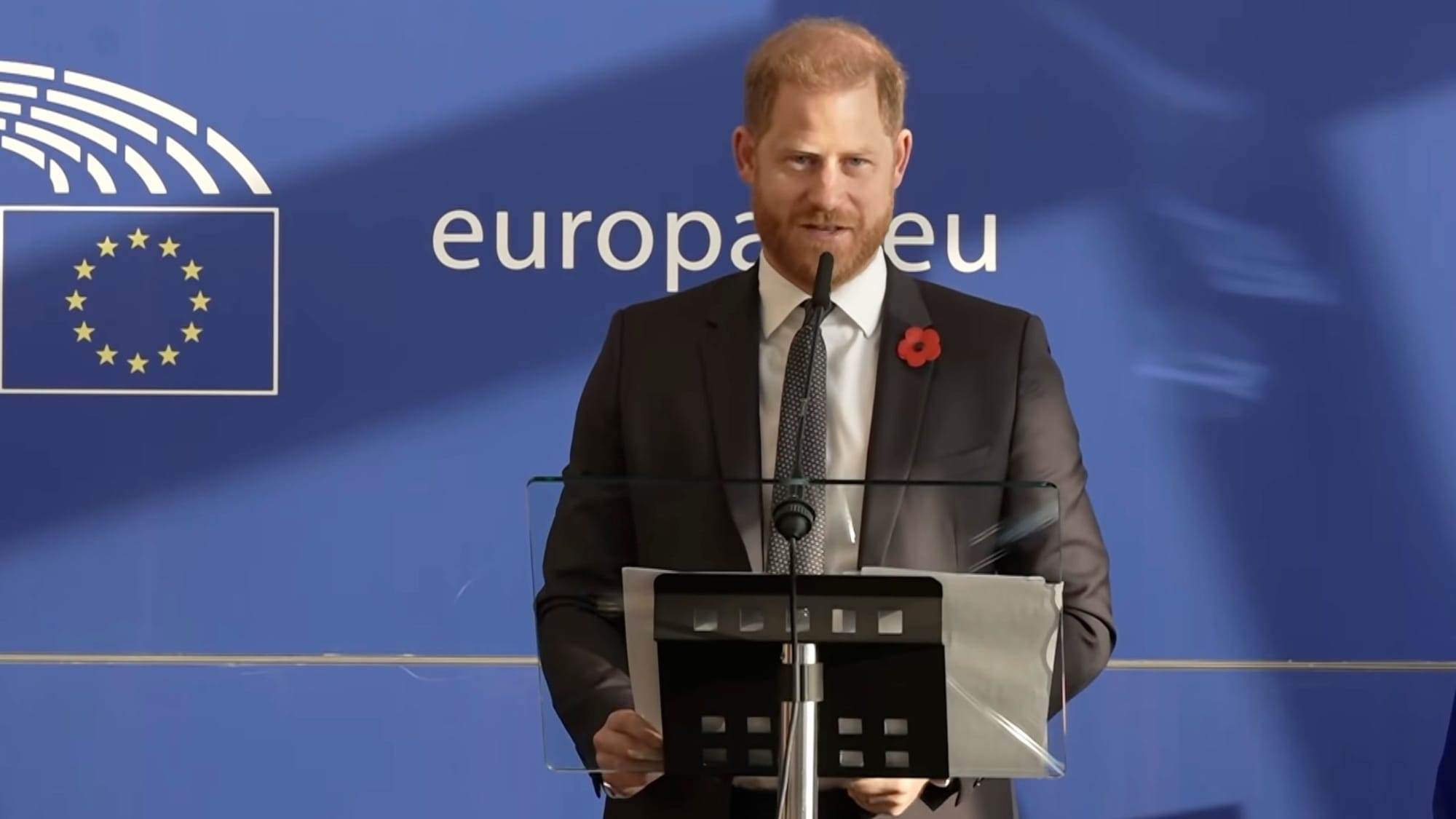
On November 10, a memorial and a panel at the European Parliament (EP) in Brussels put together an unlikely group of a royal, child-safety campaigners, and an EU commissioner, who all came out in support of online age verification.
The event, dubbed Lost Screen Memorial, was opened by Prince Harry, while the panel, titled “Beyond Promises: Building a Digital Future That Works for Children,” featured, among others, Lianna McDonald, Executive Director of the Canadian Centre for Child Protection, and Dubravka Šuica, European Commissioner for the Mediterranean.
It was McDonald who made it plain that privacy is the first casualty. In fact, she doesn’t even consider it a valid concern.
“We are sacrificing children on the altar of adult privacy rights. It must stop. Children are not small adults,” McDonald told the panel.
This is the kind of rhetoric that has actually been used by many to push for the erosion of privacy and encryption online, and what is actually meant is that adults’ privacy and security is being undermined, too.
McDonald also called on governments to “pull the emergency brake” on what she referred to as “the wild unveiling of AI,” and said, “never more have we needed legislators than we do today.”
It was the EU KIDS Act that the other speakers praised, and which is a law that will make platforms check the age of every user with an age verification solution certified by a public authority. Should an account’s age “cannot be established,” it is to be disabled – meaning that both children and adults using anonymous or pseudonymous accounts will be thrown off platforms.
Those adults who don’t want to submit to age verification will be “protected” by being given access only to the child version of the service. That is, if they are allowed to use the service at all.
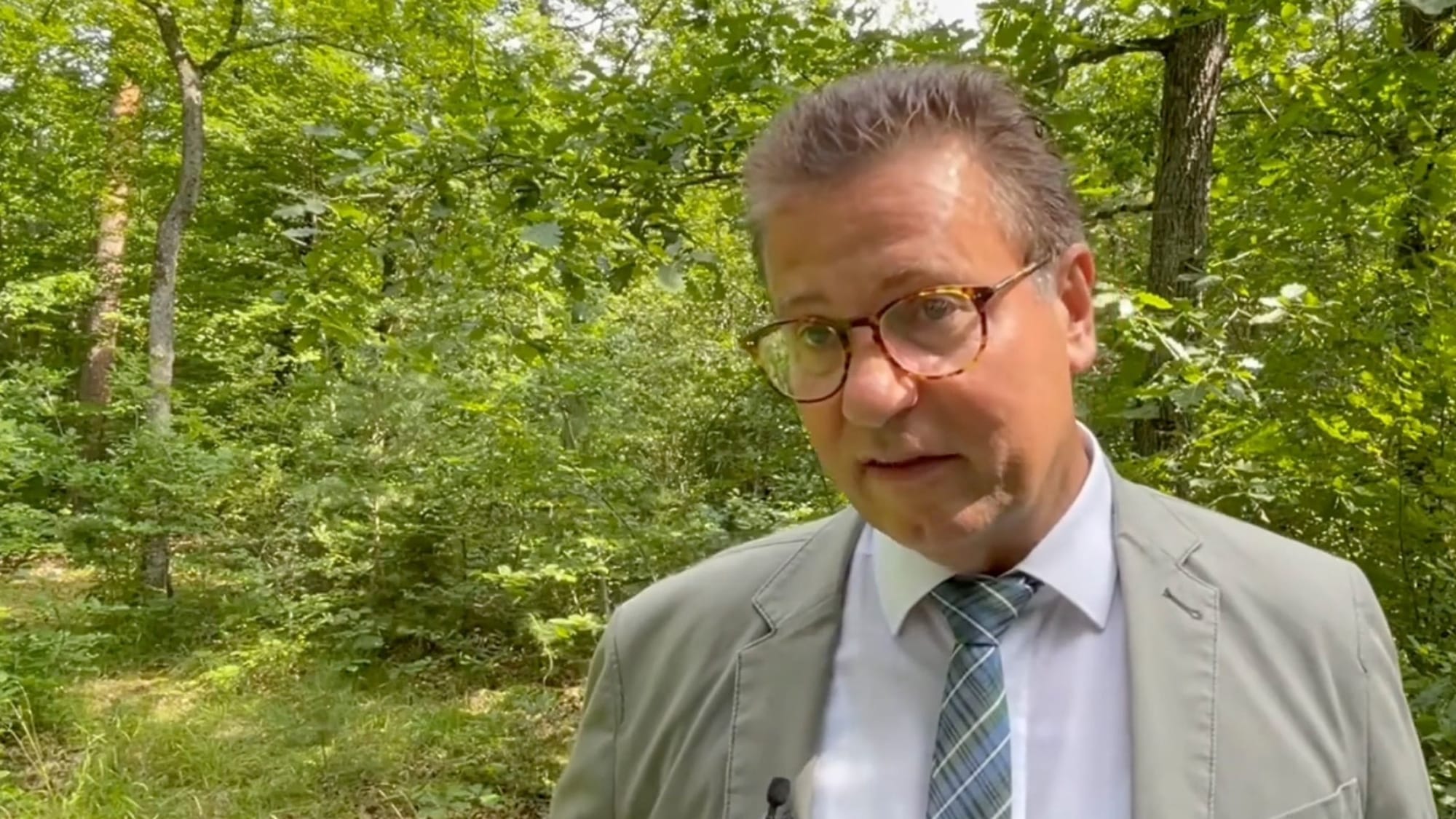
Prince Harry, who earlier in the day opened the Lost Screen Memorial – 50 smartphone light boxes showing lock-screen photos of children whose families blame their deaths on online harm – was on the same page as the other participants.
It is the KIDS Act that Prince Harry referred to when he said, “It should be simple enough to disallow that feature,” meaning, infinite scroll.
On the panel, he praised the law’s “unified approach, starting with turning the burden of proof on them rather than on parents is the best place to begin.”
He also said that “age restrictions alone cannot be the answer.”
“This whole Mission has to be about safety by design. By the time that it’s on the phone, in an app, in a kid’s hands, it’s already too late,” he said.
Harry also praised court cases in the US going after social media companies, saying it was “our collective battle with these Goliath companies in America and finally some justice and accountability is...coming round.” And he warned that “we are facing another battle with AI.”
“A child’s safety should never depend on which country they call home,” he said.
EU Commissioner for the Mediterranean Dubravka Šuica was also on the panel, and spoke about enforcing the Digital Services Act (DSA), listing the preliminary finding against TikTok’s For You feed, cases against X, Shein and Snapchat, and fines for X, Temu, and AliExpress. “The rules are broken, there are consequences,” she said.
She then described the KIDS Act’s third pillar as “age verification that is easy to use and protect privacy through the EU age verification solution.”
The Commission has its own “coordinated” age verification app, but as we reported, it was hacked in under two minutes by security consultant Paul Moore.
5Rights, an NGO that works with Prince Harry and his wife Meghan’s Archewell Foundation, is a long-time proponent of online age verification.
5Rights Executive Director Leanda Barrington-Leach was also on the panel and listed the group’s achievements: “We have passed many laws from Brussels to the UK to Brazil to Indonesia requiring digital tech to assess and mitigate risks to children.”
Still, she said, “it is no time to be patting ourselves on the back” and “Our work is not delivering fast enough for children.”
Her answer is to “take power back, take it back from unaccountable private companies and give it back to nation states, elected governments and parliamentarians.”
She wants a “global coalition of lawmakers” to regulate tech like they do aviation and pharma. And the scope should be “for all tech, social media, gaming, AI chatbots, AI companions, but also education tech and the next big thing.”
The commissioner also said she would “warmly welcome the idea of a global coalition of lawmakers for children’s rights in the digital age.”
It’s not that the right to privacy of adults is being weighed against the need to protect children, which would be a valid debate – it’s simply being trashed, ignored, and ridiculed.
The idea of a global coalition of lawmakers building one, unified system of online checkpoints, where people will have to prove their age to access the internet, should be a terrifying one, regardless of the stated reason.