UK’s speech regulator Ofcom and some members of the country’s parliament are looking for ways to expand their censorship powers, including by going after VPNs.
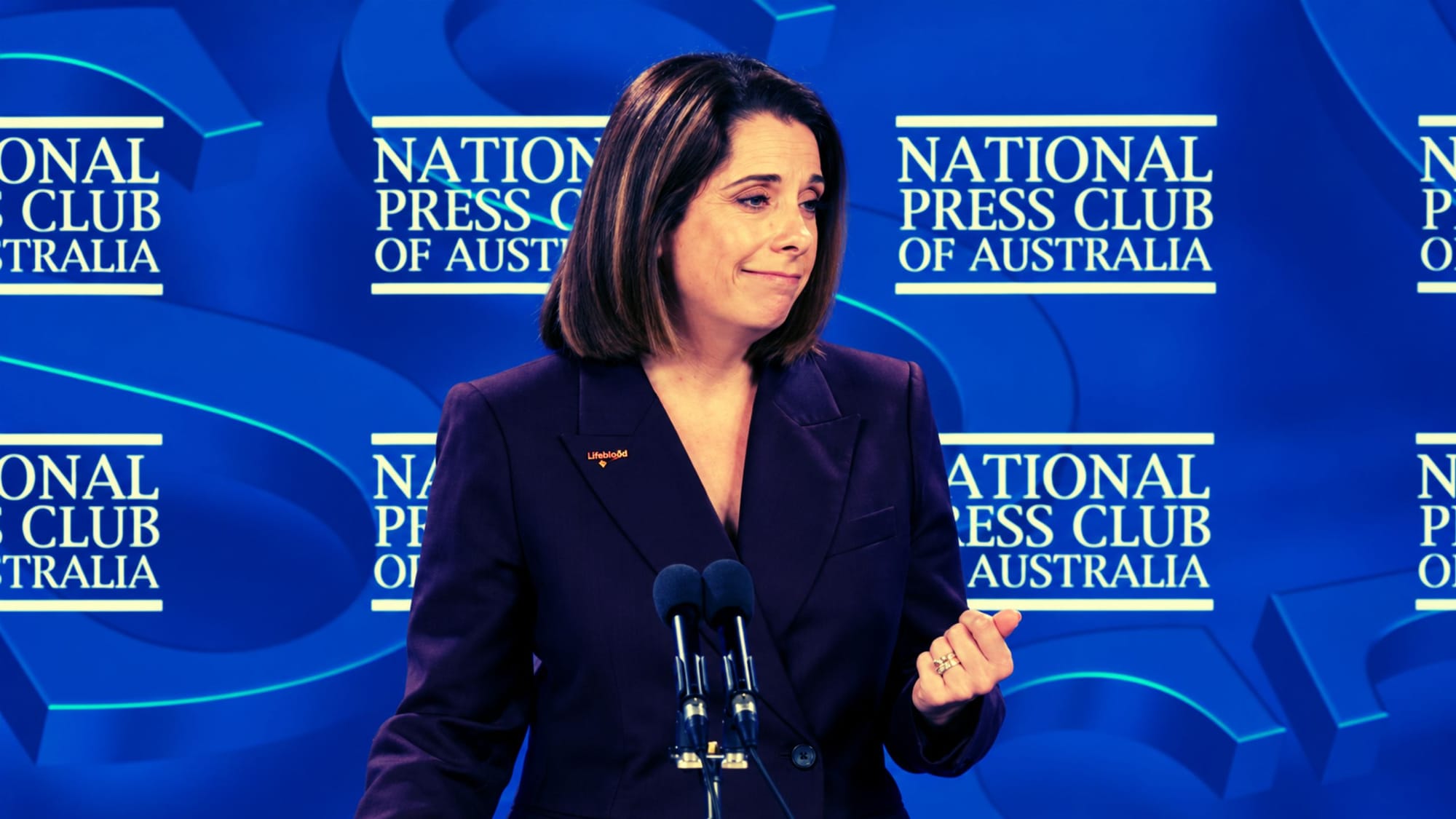
The biggest one is the power to get sites blocked in the UK straight away, while Ofcom is still investigating, if “there was ongoing, urgent, immediate harm to the public.” Ofcom chief executive Melanie Dawes compared this to “putting a prisoner on remand rather than releasing them on bail, which is all we’re really able to do at the moment.”
At the October 20 hearing, which was dedicated to “The work of Ofcom,” the regulator’s chiefs also spoke about the difficulties they are experiencing in pressuring US websites that do not have any assets in the UK into complying with the Act.
Labour MP Jeff Smith asked whether VPNs, which allow users to circumvent geoblocks that sites put up in compliance with the Act, also allow those companies to “get off with not paying their fines.”
Dawes said there are “questions about whether you restrict the use of VPNs, but that is not something that Western democracies have yet decided to do.”
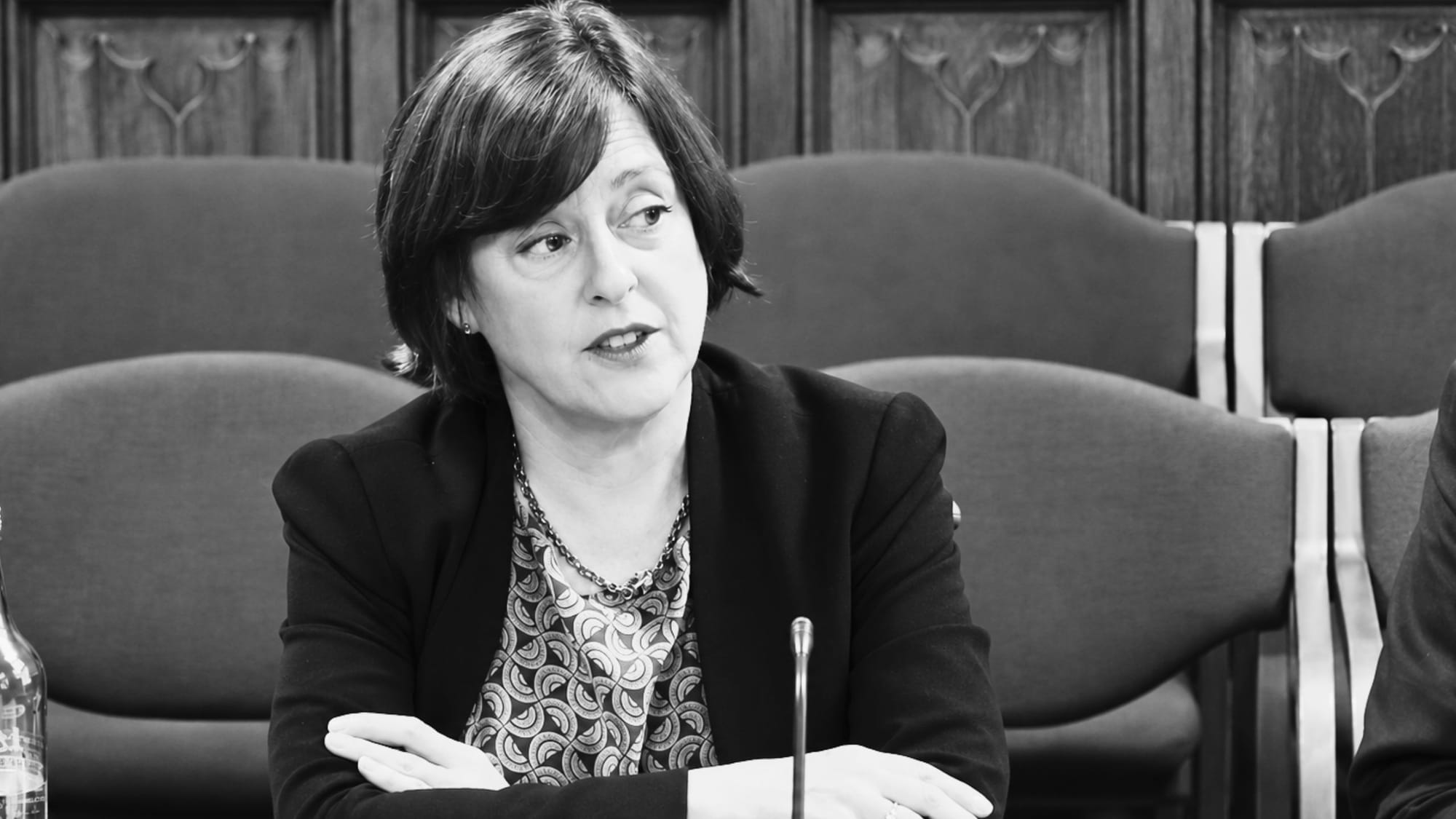
Committee chair Caroline Dinenage, a Conservative, said teenagers will use VPNs to get around the ban on under-16s using social media: “The fact is that any self-respecting young person knows how to create a VPN.”
She went on: “I spoke to a group of teenagers the other day and they...have zero bother about this new online...ban because they all have already their plans in place to be able to circumvent it.”
Dinenage asked: “Is it gonna actually be worth the paper it’s written on?”
Dawes replied: “I don’t think there’s an awful lot that you can do about that short of taking action against VPNs. So that would be a decision for the government.”
Dawes was asked to list her priorities for “legislative change” and said that she wants a “lower bar” for business disruption measures – court orders that make payment providers, ad networks, search engines, and internet providers cut off or block a site in the UK.
The Ofcom chief also wants rules that “require proactive technology to detect illegal content more than we’re able to do at the moment.”
“We need...to go further,” Dawes said, adding that Ofcom has “a bit of a list of where we would like our tools to be strengthened on the enforcement side” and that it is discussing this with the government.
Ofcom chair Ian Cheshire agreed, saying the tools are “not quite the fit for purpose” and that it would be “brilliant” to have an “interim business disruption measure that is slick and efficient and is more like an injunction than the current design.”
He also mentioned the case of an American suicide forum as one that showed the limits of the Act, and the need for the government to give Ofcom more powers.
“If it’s geoblocked, as that site has been, we have exhausted our remedies under the Act. Now, I believe we should go further if we can,” Cheshire said. “So the question is on that agenda with the government to say what are the options that we can have.”
He said it is hard to apply “pressure without legislative position on things in the States,” especially “if you’ve got a US website that has no UK assets,” and hard to go “running around the world switching off websites.”
What is this “illegal content” that Ofcom is so eager to have the power to detect and block more efficiently? Under the Online Safety Act, it includes the priority offenses in Schedule 7, among them harassment offenses and foreign interference under section 13 of the National Security Act 2023.
Section 15 of that Act says foreign interference can be committed by misrepresentation, which can include “presenting information in a way which amounts to a misrepresentation, even if some or all of the information is true.”
Reclaim The Net has previously reported about the case of the American suicide forum, when in July Ofcom closed its case, having fined it £950,000 that the site has not paid and has no intention of paying. At the time, Ofcom said “all possible legal routes under the Act have now been exhausted” and asked the government to give it more powers.
In January, after X’s AI tool Grok was used to create images of women and minors in bikinis, Prime Minister Keir Starmer said “all options” were on the table regarding the case, while his spokesman said that if Ofcom decided to block X, the regulator would have “our full support.”
At the October 20 hearing, Ofcom CEO Dawes admitted that the regulator cannot currently collect most of the fines it imposes on companies based abroad.
Now Ofcom wants to be able to block first and prove the case later, on a harm test that it writes itself, and to scan for illegal content using “proactive technology.”
In other words, the only way to make the Online Safety Act actually work as intended – which is to censor the internet – is to also restrict VPNs. That would mean even more censorship, and more powers for Ofcom.