
Topic: biometric mass surveillance
Biometric mass surveillance involves the use of technology to collect and analyze individuals’ biometric data, such as facial recognition, fingerprints, and other personal identifiers. This practice raises significant concerns about privacy and individual liberty, as it enables pervasive monitoring and control by governments and corporations. The recent legislative developments in the EU, including the AI Act, highlight the growing acceptance of such surveillance measures, which threaten free expression and civil liberties.
-

EU AI Act Effectively Legalizes Biometric Mass Surveillance
The EU isn’t the beacon of privacy it pretends to be.
-

European Council Approves the AI Act — a Law Accused of Legalizing Biometric Mass Surveillance
The EU’s European Council has followed the European Parliament (EP) in approving the AI Act – which opponents say is…
-

EU Passes the AI Act — A Law Accused of Legalizing Biometric Mass Surveillance in Europe
Particularly as it relates to travel.
-
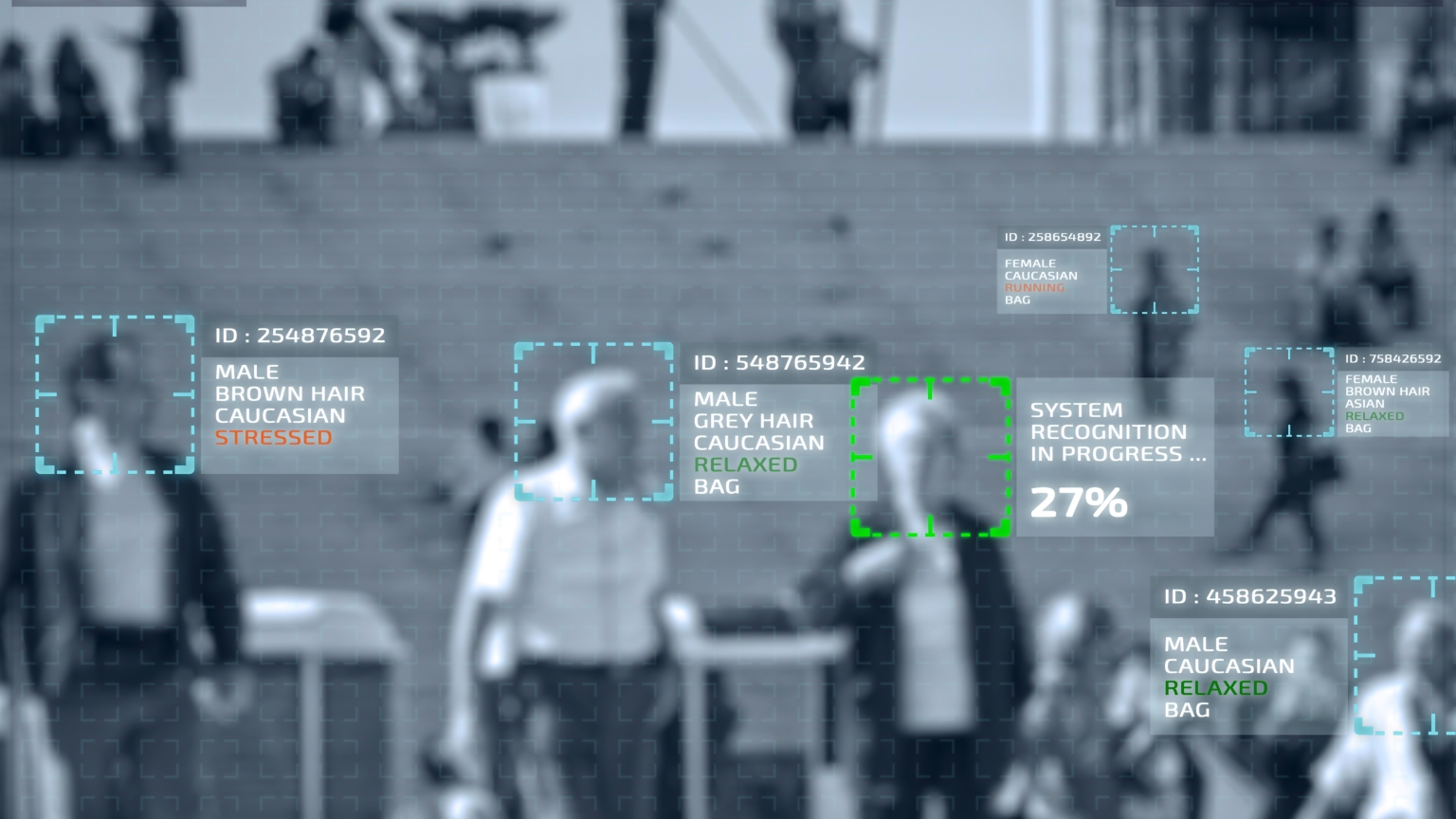
German MEP warns EU’s AI plans will “open the door for biometric mass surveillance in public spaces”
“We need to prevent a China-style dystopian future of biometric mass surveillance in Europe!”