
Meta sat before Australia’s Royal Commission on Antisemitism and Social Cohesion this week and heard a demand it gets from governments all over the world: Take down more.
The company loosened its speech rules in January 2025, fewer posts have been deleted since, and the commission wanted to know why Meta would not turn the machinery back on.
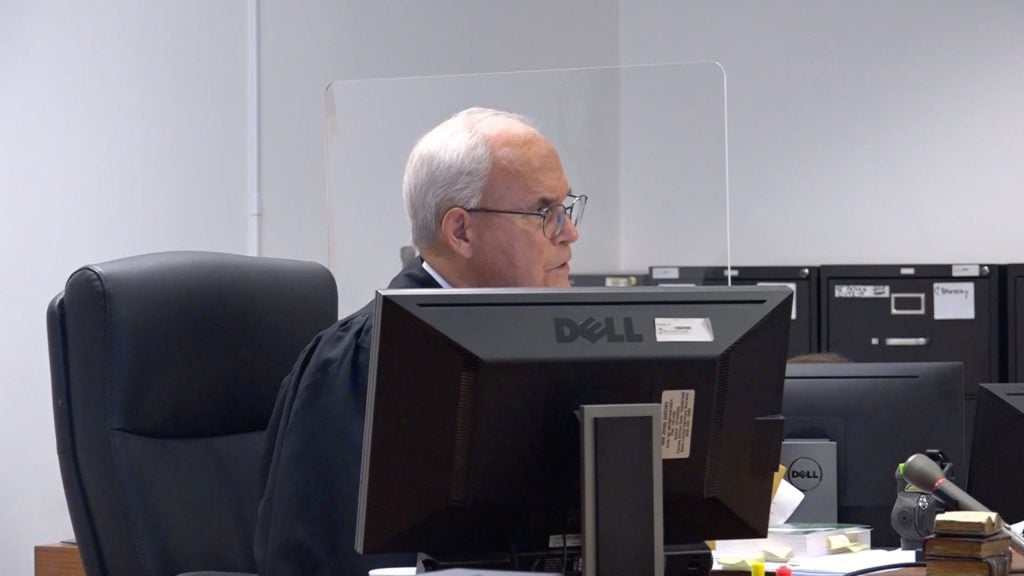
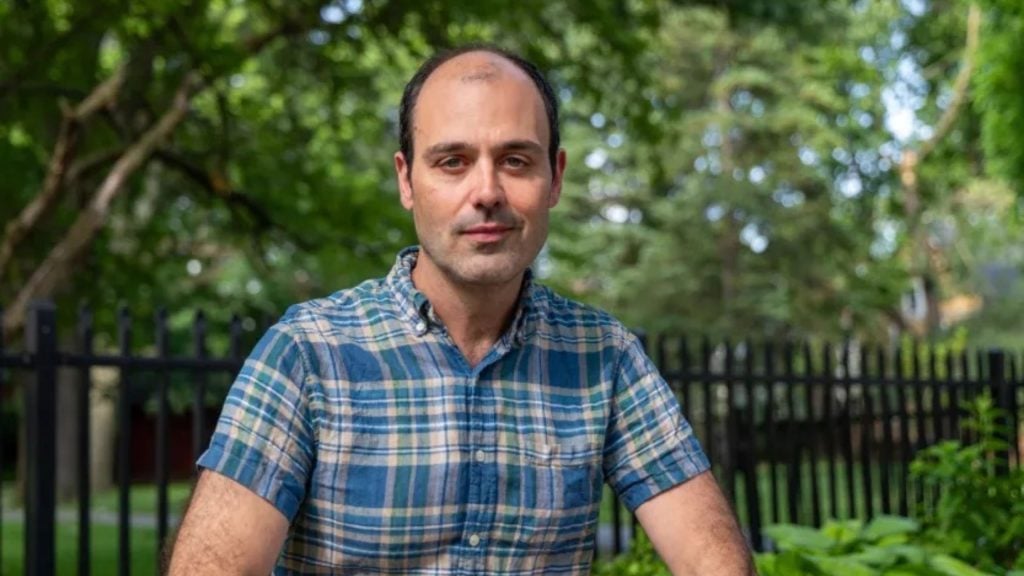
Benjamin Good, Meta’s global director of core policy, joined by video link from the United States to account for the change. The old system, he said, reached well past dangerous material and pulled down ordinary political argument. Jewish users answering antisemitism were among the people it silenced. “They were trying to engage in counter-speech and unfortunately our systems were affecting them,” he told the inquiry.
That is a striking admission from the company that built the system. For years Meta ran aggressive automated removal and told the public it made everyone safer. Its own policy director now describes software that couldn’t tell an attack from a reply to one and censored the reply.
Good defended the trade-off Meta made when it scaled that software back. “In proactive enforcement, it is the gold standard to remove violating content before it is viewed,” he said.
“However, it carries risks when we remove content proactively. If we are wrong, if the content does not violate, then there is a significant risk of over-enforcement.” Delete first and you delete the innocent along with the guilty. Meta learned the expensive way and changed course.
The January 2025 rules moved most content to what Meta calls “reactive” moderation. A post stays up until a user reports it, rather than an algorithm guessing at intent before anyone has seen it. The company still hunts proactively for the worst material, child sexual abuse and the promotion of terrorism, which it removes with AI. Good drew a line between that category, which Meta calls “truly heinous,” and so-called hate speech, which it now handles with a lighter touch.
The commission arrived with a number. Action on hateful conduct fell 79 percent after the policy changed, from 5.8 million items between October and December 2024 to 1.2 million between July and September 2025. Counsel pressed Good for a “plausible explanation” for the drop “other than the announced change in the policy.” He agreed the figure was in the ballpark. He said he did not know the cause and would not speculate, citing the complexity of the system.
Turned around, the number looks less like failure. A 79 percent fall in removals means far more speech left standing, most of it the political argument Meta admits its old filters used to catch. The commission treats the smaller pile of deletions as a problem to be corrected. The people whose posts survived might see it differently.
Defining the thing being counted is its own problem. Good said about 0.02 percent of content on the network qualifies as “hateful conduct,” a category Meta writes and Meta measures.
He also noted that users often deploy “Zionist” as a “coded term” for Jews, which shows how fast a rule against hate becomes a judgment call about what a word secretly means. Hand that judgment to an algorithm and it will make the call at scale, on millions of posts, with the errors Good had just finished describing.
Kick faced the same counsel and a harder afternoon. Nicholas Bender SC, acting for several Jewish community groups, asked the streaming platform’s general counsel Tiat Oon Ooi whether calling Jews “evil rats and subhumans” on a live-stream would break the rules. “I believe so, but I think that’s a difficult one for me to answer,” Ooi said. “I’m not specifically well-acquainted with the details of the moderation guidelines.”
Identifying hate speech, he offered, is “more of an art than a science. It’s not really a formula where I can say A plus B definitely equals hate speech.” Much of Kick’s moderation runs through a team in Serbia, and Ooi said the platform fields a heavy volume of false reports from viewers flagging people they simply dislike.
Ooi’s answer was clumsy, and it was also honest. Nobody has a formula that functions in a way that pro-censorship governments demand, which is the reason a mandate to delete more produces the over-enforcement Good described.
The commission’s pressure runs one direction, toward more removals, broader definitions, faster deletion.