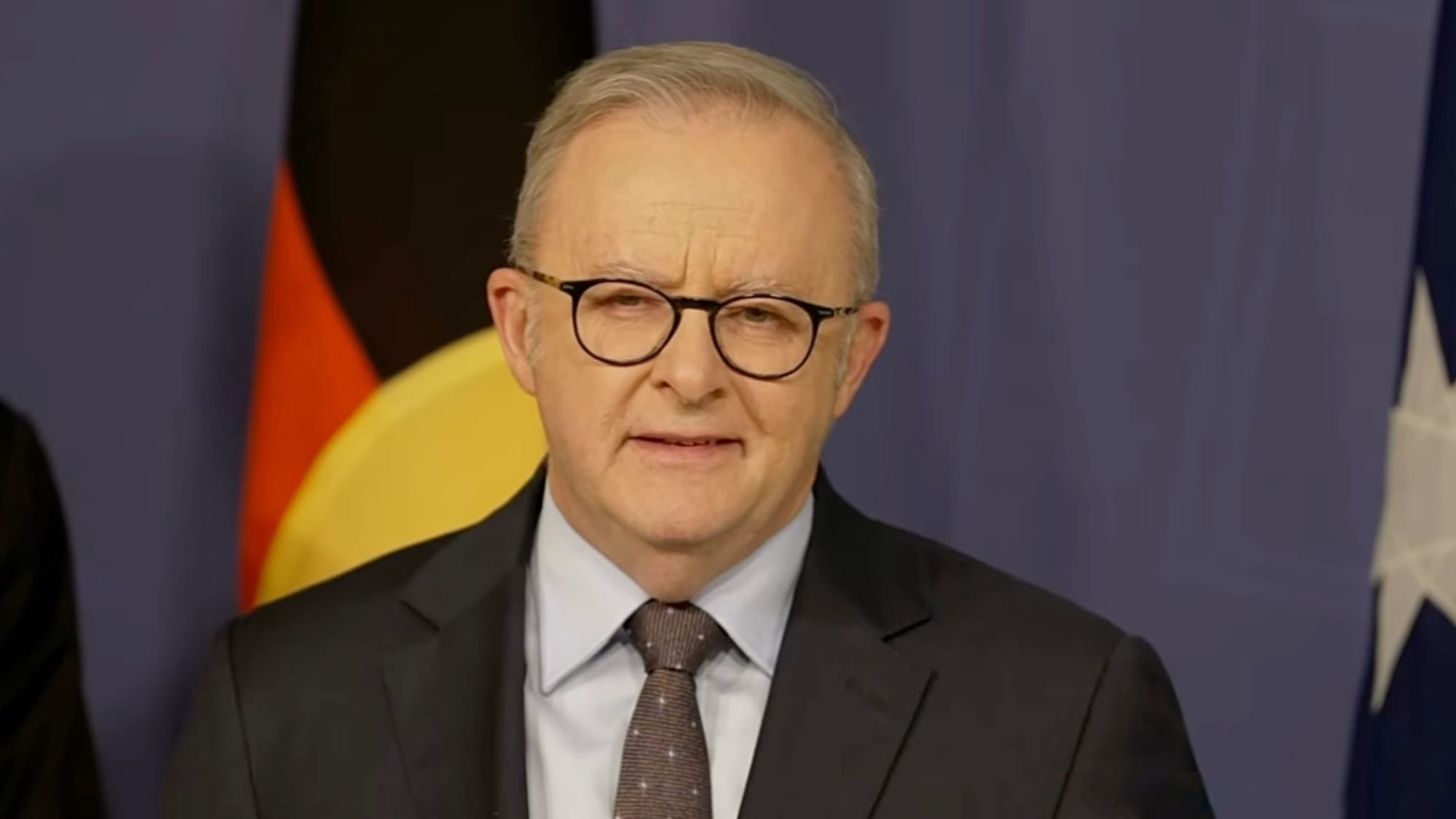
Australian Prime Minister Anthony Albanese is already blaming “social media” for the rise in threats and harassment of politicians – and he did it hours after a member of his country’s parliament was struck by a car, in what Albanese said was a deliberate attack.
This is not the first time this has happened in Australia – after a violent act, online speech is immediately named as one of the causes – and then the authorities move in to try to exert more control over what people are allowed to post.
The incident happened on Monday, October 19, in Wangaratta, Victoria, when a 43-year-old man driving a white Toyota LandCruiser struck 65-year-old independent MP Helen Haines outside her electorate office.
She is now in a critical condition in a hospital in Melbourne.
The driver, who was arrested at the scene by a passerby, was known to police, who also found a knife in his vehicle. They are investigating whether the act was intentional, and the suspect will undergo a mental health assessment, while his history will be examined by counter-terror investigators.
Acting Superintendent Ashley Mason called it an “isolated incident:” “We certainly do not have any intelligence that there is any further or any ongoing threat to any other person or the broader community.”
Even before all this information was revealed, Albanese appeared on the ABC’s 7.30 and said, “This wasn’t an accident. There was a deliberate act, it would appear. We don’t know what the motivation is.”
He was asked if the current “temperature in politics” could have led to the attack, and he replied, “If you look at anyone’s social media feeds and look at the comments, people will say things that they would never say face to face.”
Albanese then went on to say that “the temperature has undoubtedly been increased. Not just here in Australia of course.”
When the interviewer, Sarah Ferguson, asked about figures presented by Home Affairs Minister Tony Burke showing that reports of threatening and harassing behavior against high office holders had increased from 951 to 1,067 in a year, the PM said, “There’s no question that social media is a part of that.”
Albanese also blamed “the contest for clicks, the fact that things need to be reduced down to dramatic all caps, if you like, rather than any nuance” for the current state of affairs.
He also said that “there has been too much shouting, not enough discourse, not enough polite conversation and disagreement.”
Another independent MP, Allegra Spender, spoke in similar terms, saying, “Social media seems to be a place where hate’s okay and abuse is okay,” and, “Not all hate leads to violence, but you know, we know that violence starts with hate.”
Spender believes that Australians need to “collectively work out how to dial that down.”
Meanwhile, on X, Anthony Khallouf reacted to the news by saying, “Albanese has already blamed social media.”
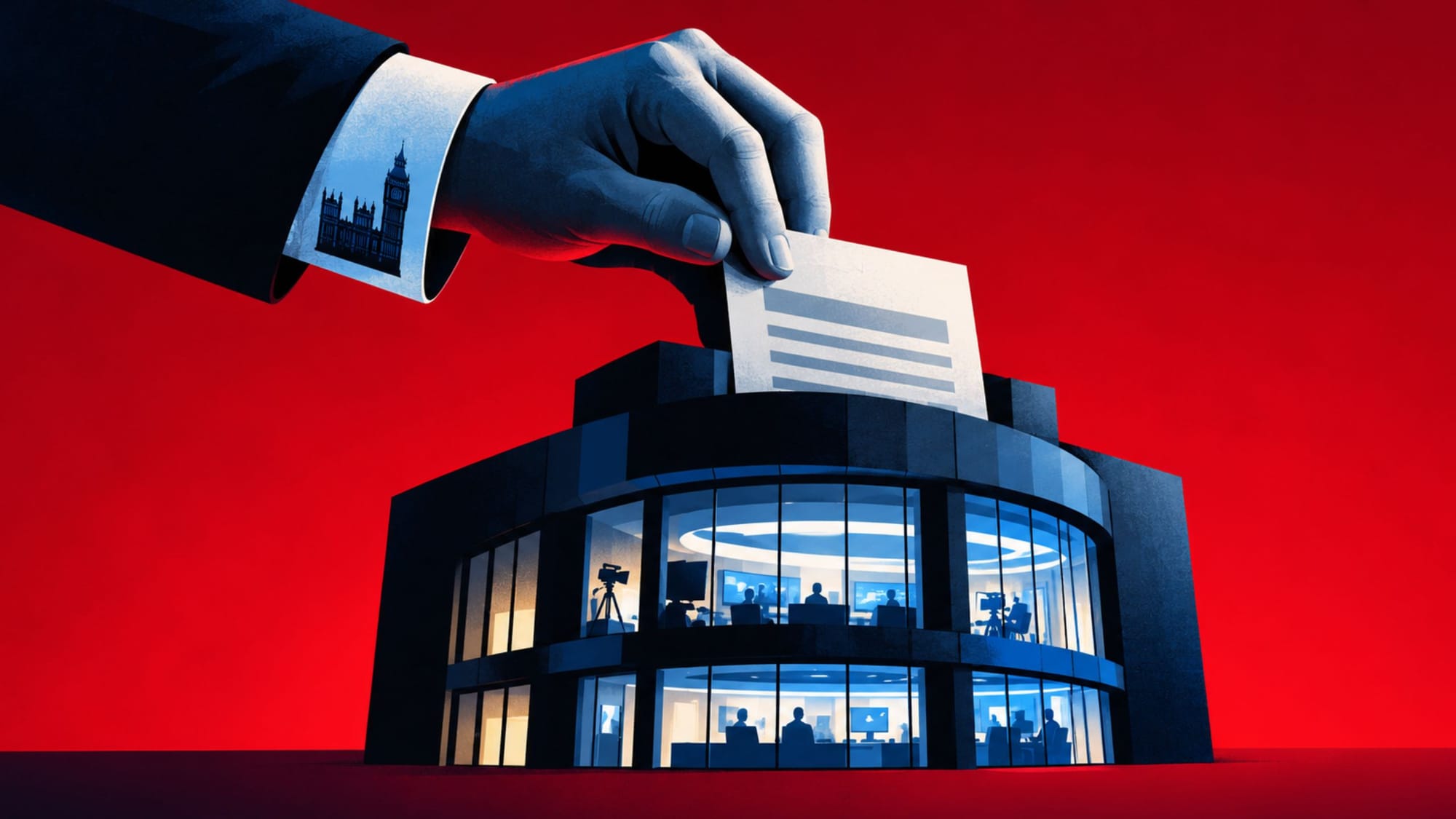
All this is happening just four days after the government introduced a new censorship bill, the Online Safety Amendment (Digital Duty of Care) Bill 2026, that is supposed to force platforms to “take appropriate action to ensure a safe online environment.”
The 90-page document, presented by Communications Minister Anika Wells, makes no mention of freedom of expression or privacy, and the phrase “free speech” does not appear in the bill at all.
Instead, the document goes into what kind of speech and behavior is to be curbed, and one of the definitions is material that is “reasonably likely to cause serious harm by menacing or harassing an individual.”
This is precisely the category that reports and comments about the attack on Haines will fall into, as the authorities and politicians look for ways to blame online speech for physical acts that are already against the law, and use that as a pretext to further tighten the screws on free speech online.
The punishment for not removing such material can be as high as 60,000 penalty units – or $109.2 million.
A platform that over-censors and removes too much content will not be penalized under the new law. But one that doesn’t censor enough can be. The obvious incentive is therefore to remove more, not less.
On the day the bill was presented, Wells said, “We are not controlling free speech.”
In December 2025, after the Bondi Beach terror attack, the government turned to demanding that platforms remove footage of the incident, and also moved to introduce new rules against antisemitic speech.
In July, eSafety Commissioner Julie Inman Grant appeared at the Royal Commission set up in the wake of the Bondi incident, and asked for a “notification power” to make platforms act against what she called “pile-ons.”
“If there’s a pile-on, if there’s a brigade, if it’s meant to be an avalanche of online hate, we put the onus back on the platform to say, this Australian is being targeted,” she said at the time.
NSW Premier Chris Minns, after the Bondi Beach attack, spoke about hate speech that “migrates online to a tweet or some kind of post” before “you see this horrible, horrible crime.”
The pattern continues – a violent act, then speech on the internet is blamed before the facts are in, and then the authorities move in to get more power to control online platforms and their users.