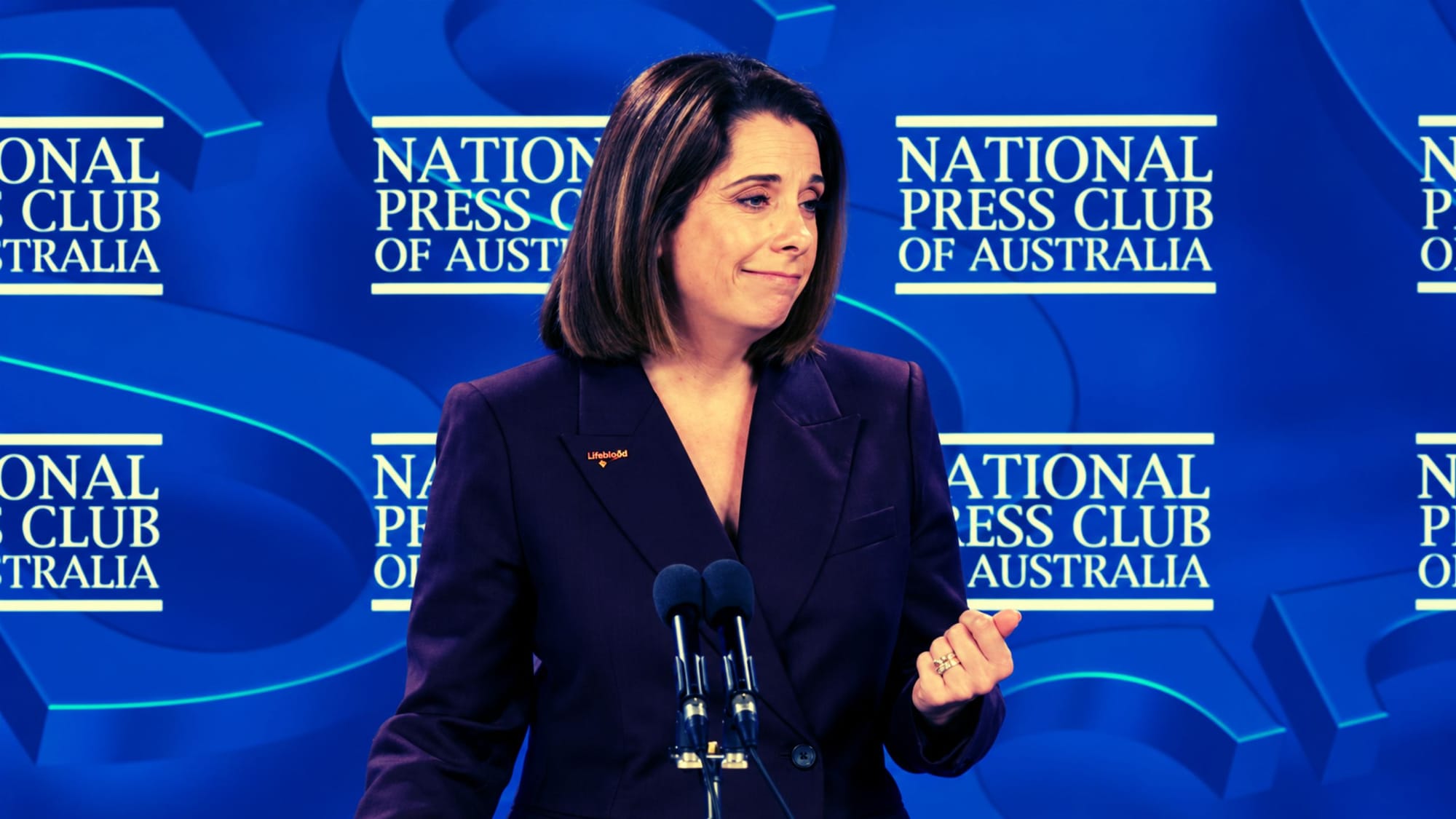
Australia’s Communications Minister Anika Wells is working to build a global coalition of governments that would press tech companies such as Meta to “reduce online harm.”
As the model for this, she is offering her country’s new Digital Duty of Care bill – which is not yet in force, but has already attracted criticism from the Trump administration, and is also not guaranteed to pass at home.
Wells has already held talks with her counterparts in Malaysia, the Philippines, New Zealand, Canada, and Sweden, and has more meetings scheduled in the coming weeks.
Wells explained the need to go global in an interview for Bloomberg, published on October 20, saying that tech companies are “the most resourced, powerful companies in the world” and that “It’s going to take a coalition of lawmakers working together across the globe to take them on.”
“We are fighting a communications war as well as an enforcement battle,” Wells said.
At the launch of the bill, Wells said, “It will set basic safety standards for the digital services we use every day, just as we have for food, cars and kids’ toys.”
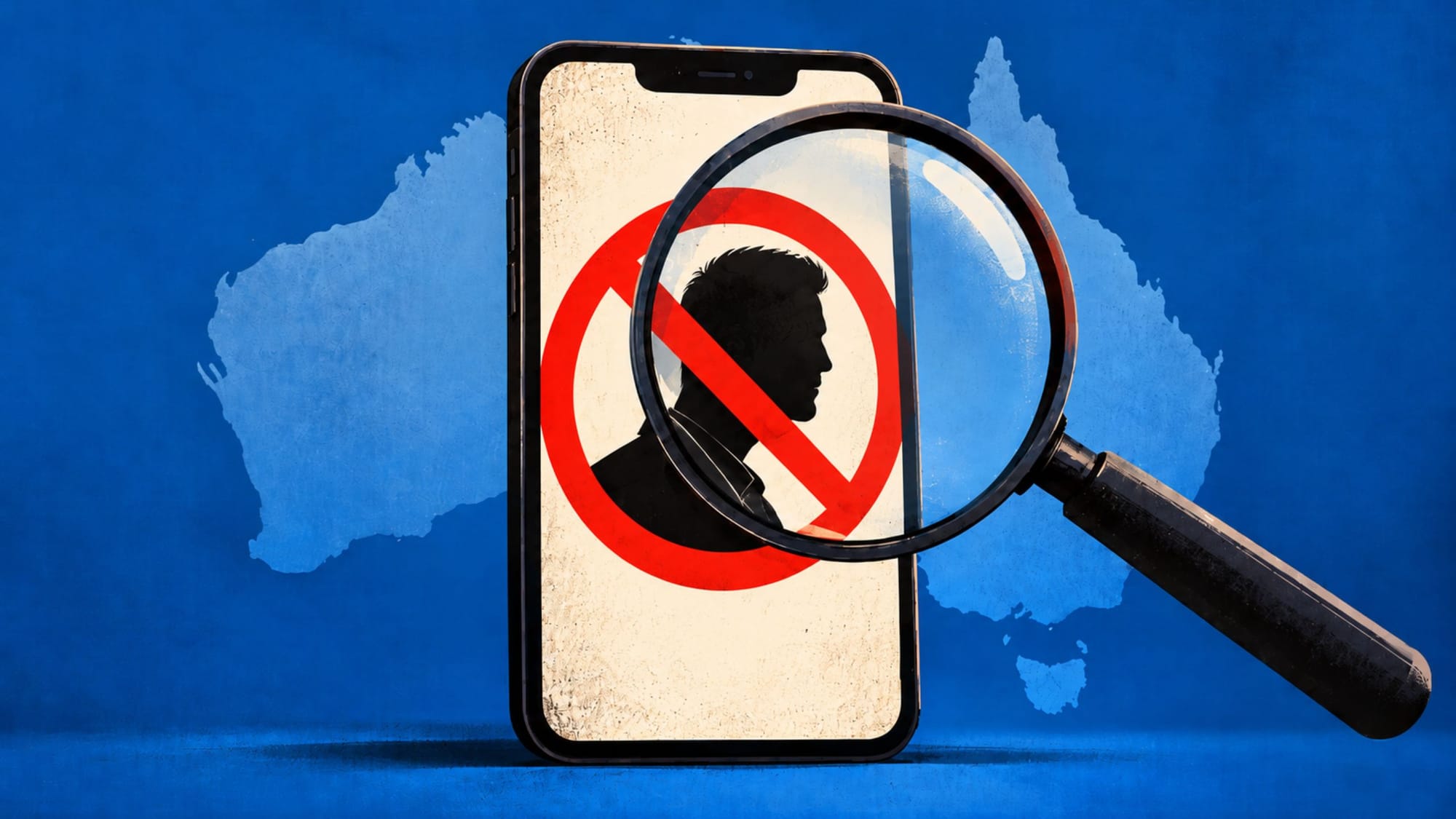
At the National Press Club on October 15, Wells sought to address criticism of the bill by saying, “We are not controlling free speech” and “We are not conducting covert surveillance” – and explained the legislation as a matter of tech companies taking responsibility for their products.
“This is not about what people say on the internet. It’s about what platforms do on the internet,” she said.
Wells has a clear message to tech companies: “Today, I want to make a simple argument: if you build it, you are responsible for its risks.”
The bill, which Wells wants to see passed by the end of the year, and have it come into force 12 months later, seeks to make companies behind social media, games, apps, search engines, and AI chatbots “take appropriate action to ensure a safe online environment, including by taking effective measures to mitigate risks.”
“The cost of the action or measures must not be taken into account,” the bill reads.
The bill also provides for massive fines of up to A$109.2 million (about $76.2 million).
What is harmful to children is defined as including “any other material or conduct, or combination of material and conduct, that may cause serious harm to children.”
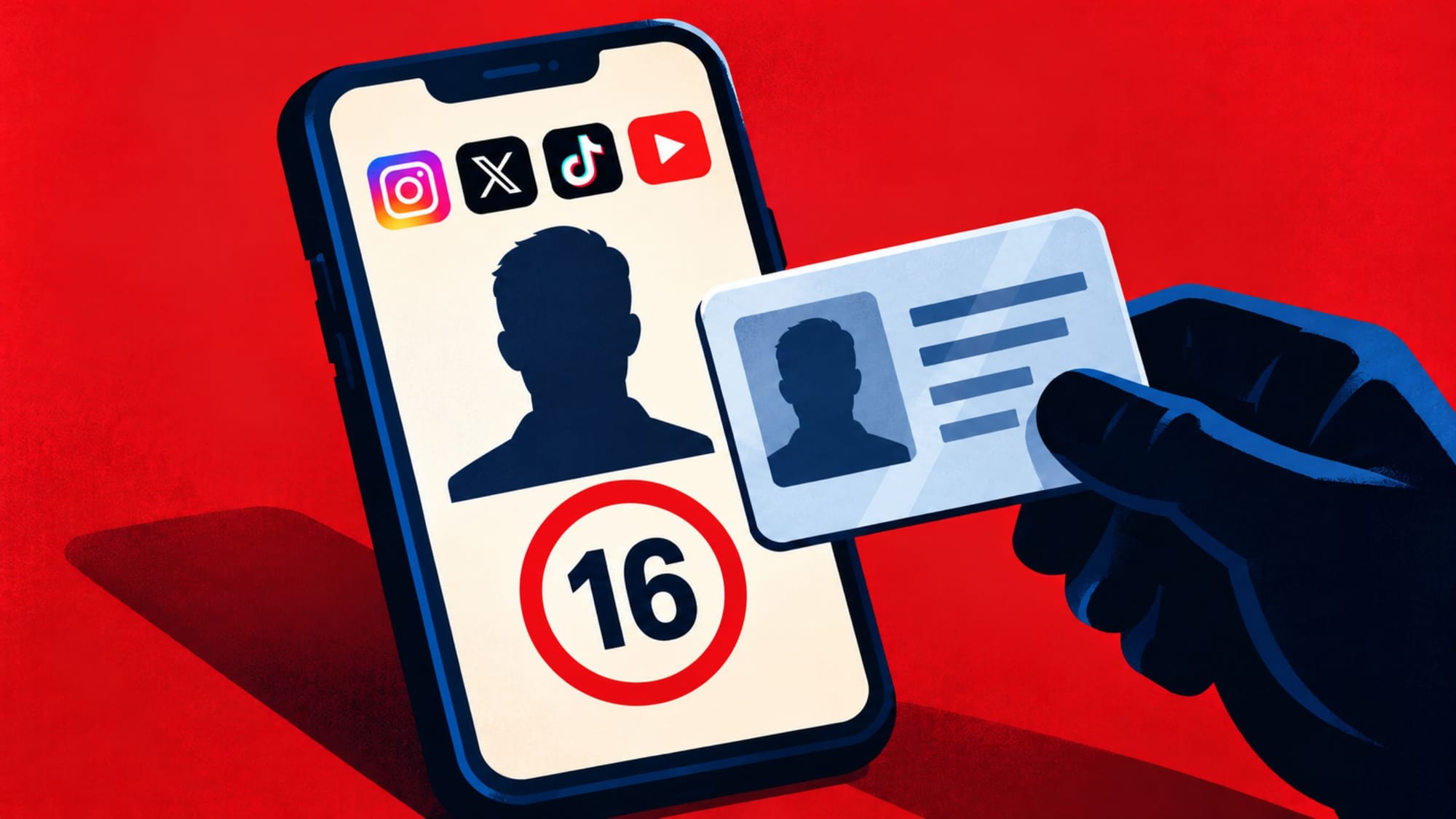
To protect under-16s from feeds, likes and counts, and disappearing posts, a platform must first know who is under 16 – which means checking everyone’s age.
Australia’s eSafety and “approved researchers” will be allowed to run fake accounts, which the bill calls a “sock puppet identity.”
The 90-page document does not mention “freedom of expression” or “free speech” at all.
Not only is the Trump administration warning that Australia’s rules might be replicated elsewhere, but it believes they could become a tool for censorship.
The US government’s September submission said, “A framework that empowers governments to enforce vague definitions of ‘harm’ risks becoming a mechanism for viewpoint-based censorship, as platforms will be incentivized to over-moderate speech that should be protected to avoid regulatory penalties.”
At home, the opposition has vowed to “fight it every step of the way.” To pass the bill, the Labor government will need the Greens’ support in the Senate. The Greens, meanwhile, want the fines to be a share of global revenue, and are calling for the right to sue social media companies – two suggestions that Wells said she would consider.
Nationals leader Matt Canavan criticized the bill as giving politicians too much power, and the ability to censor “lawful speech.”
“No politician should get to decide for themselves what lawful speech is harmful and then pressure platforms to make it disappear,” Canavan said.
Meanwhile, on the same day Wells spoke to Bloomberg, she also told the agency that the government is preparing to sue Facebook, Instagram, TikTok, Snapchat, and YouTube over the under-16 ban, which most teenagers still find ways to bypass.
Wells is now a minister whose own ban is being ignored at home – and yet she is offering it, and a bigger censorship law, to the rest of the world as a template.