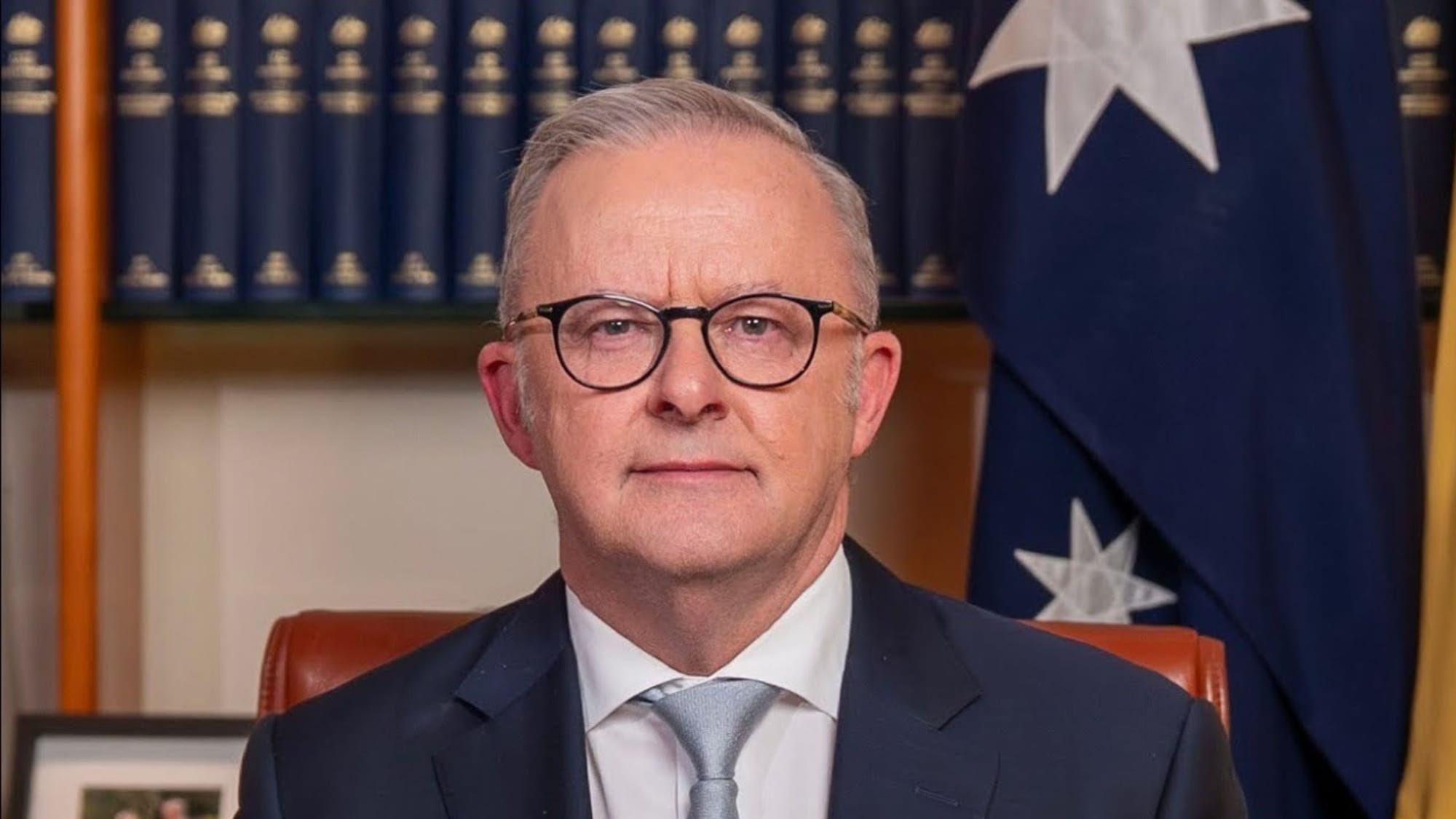
Teach Us Consent, a group whose latest financial statements show it is nearly 90 percent funded by the Australian government, was one of those who supported the government's Digital Duty of Care bill, and even stood beside Australia’s Prime Minister Anthony Albanese as he presented it.
The bill, that the group lobbied for privately and publicly, is a censorship law. It will force platforms to police content more stringently, and gives a minister the power to add to the list of "harms" that they must protect against. The eSafety commissioner will be able to issue removal notices, and can even create "sock puppet" accounts to patrol the internet, and fine platforms up to A$109.2 million.
Teach Us Consent wrote to the Prime Minister's office on March 30, 2026, in a "private letter" that was co-signed by Digital Rights Watch and Reset Australia, to ask for a meeting to discuss the bill. An adviser replied the next morning, and a meeting was set for April 9. On September 8, the group was by the Prime Minister's side as he announced the censorship bill, calling it "an example of change from the bottom-up, my Government listening and acting."
Teach Us Consent then announced that the government "heard our calls and committed to the #FixOurFeeds campaign." And: "We did it." But the group did not do it on its own: in the 2024/25 financial year, it had "total revenue of $2,738,561, representing a substantial increase of approximately 975% from the previous financial year's total of $254,807." Of that, $2,436,156 was "government funding" - 89 percent.
This is not money the group received to lobby – the government gave it for "Consent resources" aimed at people 16 and older. But the grant guidelines, released under freedom of information, shows that the Department of Social Services approved the content strategy.
The government also gave Teach Us Consent $4.4 million for a porn literacy campaign. The Department of the Prime Minister and Cabinet grant was approved on March 6, 2026.
The bill’s exposure draft was released on September 8, and it reveals that the duty to protect against “harm” will be imposed on social media, games, apps, and AI chatbots.
The eSafety commissioner will have the power to issue removal notices to companies, and the minister will be able to add any material “that the Minister is satisfied may cause serious harm.”
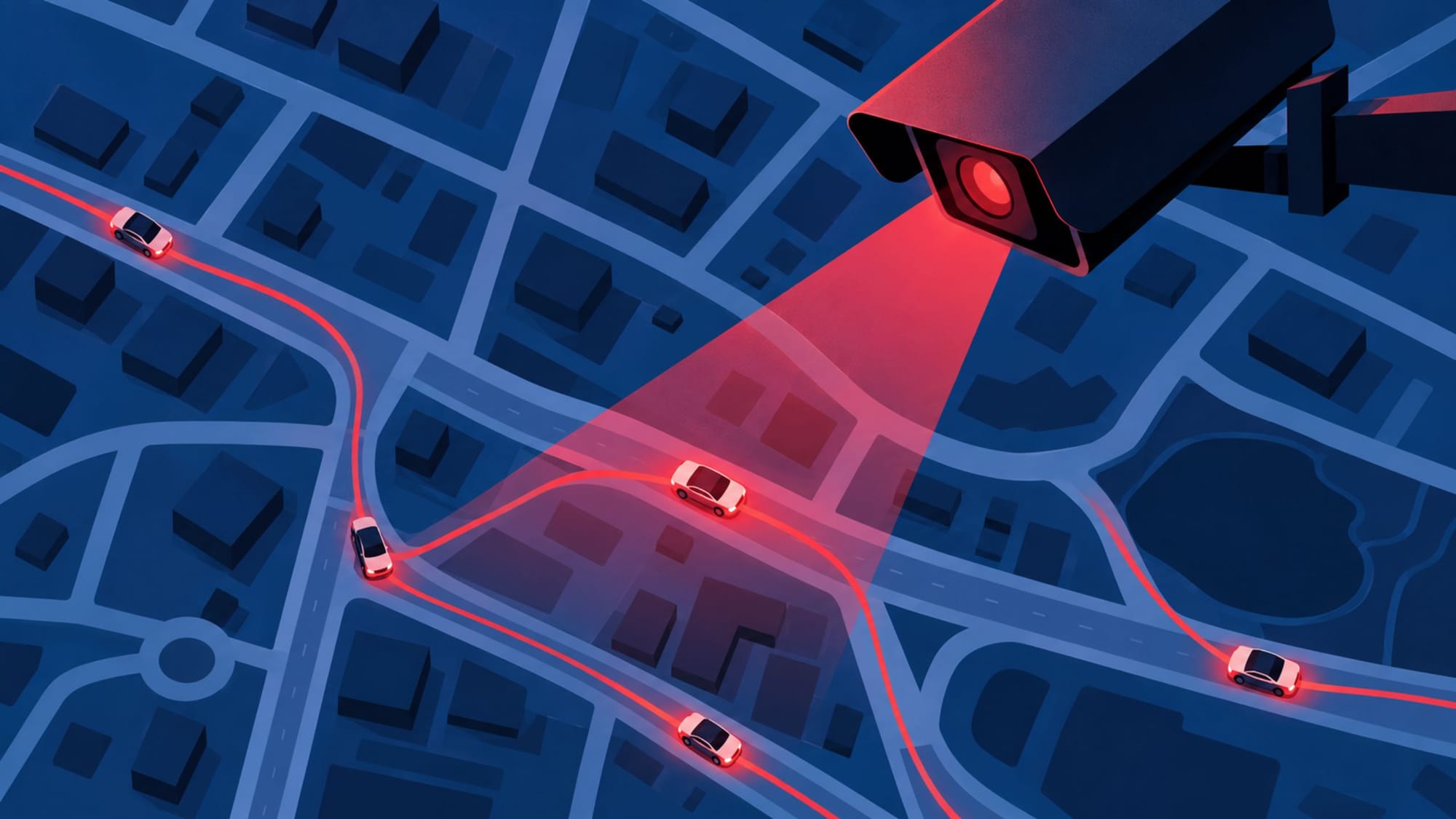
The eSafety Commissioner may assume a “false or fictitious identity” – a sock puppet – and “generate material using an online service (including by means of artificial intelligence).”
Those powers apply “despite anything to the contrary in any other law.” Penalties will reach A$109.2 million.
Opposition communications spokesperson Sarah Henderson said: "It provides the minister with unfettered powers to make any regulation into what she would describe as serious harm." And: "The government could shut down any content or material that they deem to be harmful."
Prime Minister Anthony Albanese said: "It's not about censorship. It's about giving people control themselves over what they see."
Network Affects called the feed-choice framing "a ruse," finding the only explicit reference in the draft is "by providing control over the kind of content that is recommended for the user":
"Fourteen vague words in a Bill containing more than fourteen thousand."
The group had a specific proposal for the legislation, the “Fix Our Feeds” campaign. The page for the campaign on the group’s website states that “it takes just 23 minutes for a social media account mimicking a 16-18 year old boy to be fed misogynistic content, regardless of the account’s viewing preferences.”
The claim was repeated by Minister Tanya Plibersek on ABC Insiders, and it is based on a study conducted by Dublin City University. But the study used only ten accounts, and no real teenagers were involved. Instead, the researcher “watched and liked the video” when shown problematic content.
The study found that the accounts “were fed toxic content within the first 23 minutes of the experiment, and manosphere content within the first 26 minutes.”
When the draft came out, Reclaim The Net reported that the duty covers social media, messaging, games, hosting, search, app stores and internet providers. Our bill tracker notes that switching features off for under-16s "means platforms must determine the age of all their users."
Now it appears the government is willing to drop one of the controversial points of the bill - the power of the Minister to determine what constitutes "serious harm."
According to News24, Communications Minister Anika Wells is preparing to drop that part of the proposal, after opposition from the Coalition and the Greens.
Greens leader David Shoebridge said: "We've had a look at that draft legislation, and there is too much ministerial discretion in it."
Even if the Minister's powers are reduced, the eSafety commissioner will still be able to use fake accounts to patrol the internet, and impose massive fines on platforms that don't comply with removal notices.
The whole process, from the funding of a group to its lobbying and the presentation of the bill, looks like a case of the government creating the impression of public demand for a law that it wanted to pass anyway. The "public" in question being a group that the government chose, and funded.
Even if the removal of one ministerial power is being reported as the government backing down, the fact remains that the eSafety commissioner's powers, and the censorship scheme as a whole, remain in place.