The British government’s request to Google to delete a video from YouTube has been turned down – but that doesn’t mean the end of the affair.
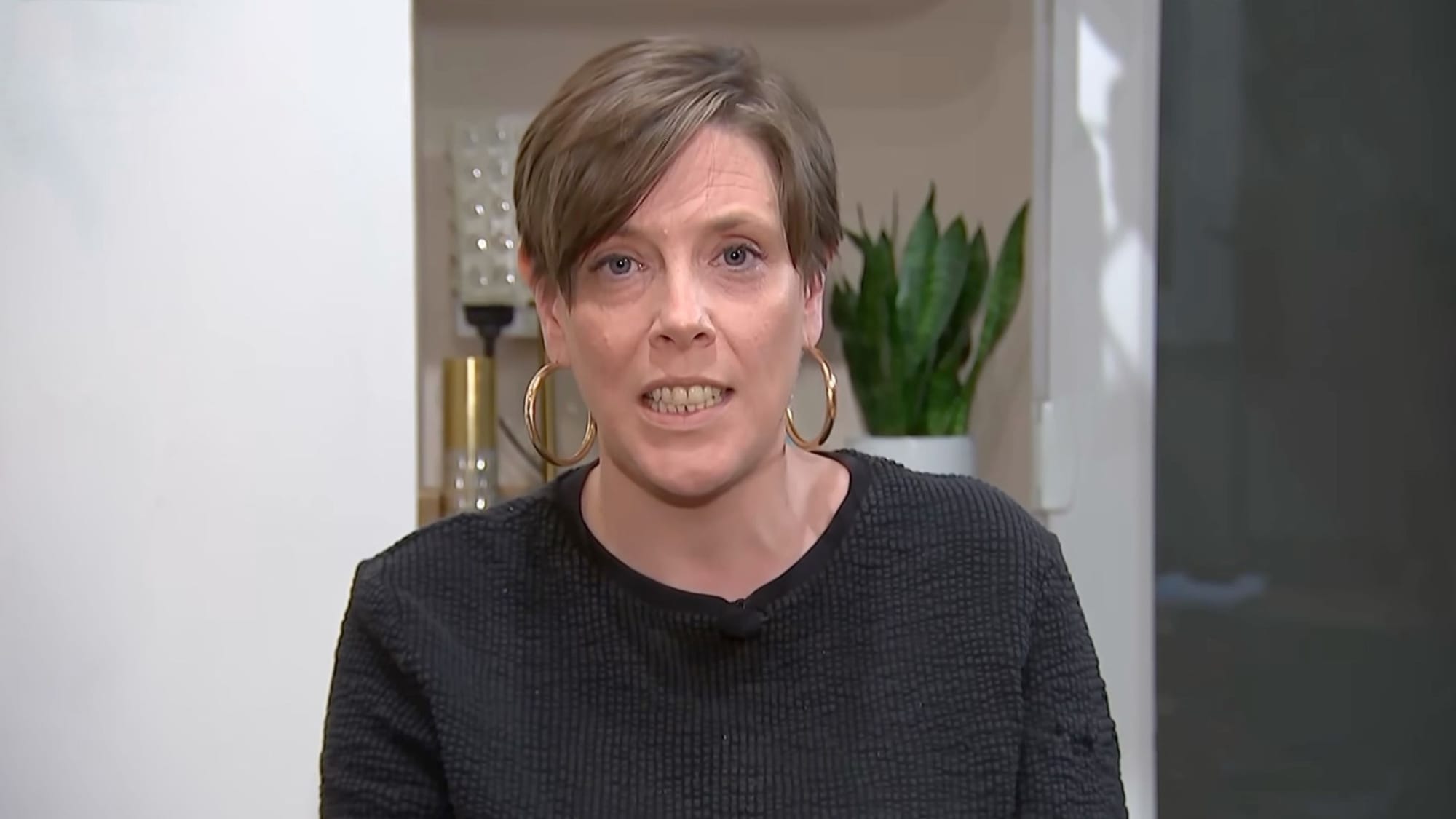
In fact, former minister for safeguarding and violence against women and girls Jess Phillips has now suggested that a new law may be needed to make it compulsory for the tech giant to remove the video.
“Regulatory frameworks, changes and potentially a second online safety act is needed, because before we haven’t had prisoners who had massive YouTube followings,” she said.
It was only a day ago that the government’s request was revealed, and the company said no. The video that caused the government to try to censor YouTube in this way is a message from comedian and YouTuber Russell Brand, who is currently in prison after a jury convicted him of one count of rape and three counts of sexual assault and sentenced him to 10 years and six months.
His wife Laura read out a message from him on the couple’s YouTube show, in which he said, “I am not guilty of the offenses I have been jailed for.”
This was the content that the government asked Google to delete, but the company found that the video did not break any of its rules.
When asked if he would change the law, Prime Minister Andy Burnham said, "I wouldn't leap to that."
"I would first say to the social media companies show some responsibility here. Think of the victims, that's the main thing. Show some decency," he said.
According to the Ministry of Justice, “it was only right” to ask for content that was “distressing for victims” to be removed, while “removal ultimately depends on the platform’s own terms” – but “YouTube should remove this content.”
But they don’t have to. And Phillips is admitting that the government “doesn’t have the power to enforce that this video is taken down.”
And the reason is that the rules in place are “almost certainly not” the right ones to deal with this situation. “This is an entirely new era and frankly the regulations are almost certainly not in place for the government to just demand that this be taken down,” she said on BBC Radio 4’s Today programme.
However, this “new era” already has rules in place that cover this situation – and it is the Prison Service that is in charge here, not Google.
The Prison Service’s communications rules (PSI 49/2011, revised August 2026) bar material meant for the internet, or likely to be published there, that is about the prisoner’s own crime – “except where it consists of serious representations about conviction or sentence.”
An investigation into whether Brand broke these rules is already under way, and Justice Secretary Alex Norris said, “I expect action to be taken if he is found to have broken the rules.”
Possible penalties, according to the BBC, are a temporary phone ban or live monitoring of his calls. In 2022, Charles Bronson reportedly had phone restrictions imposed on him after an unauthorised message to Sky News.
But this is not enough for some politicians. She even went as far as to frame it as Google’s fault that the government doesn’t have the power to make the company delete the video.
“All Google do by leaving this up is show that those codes are not good enough,” she said. And then she issued a threat: “If Google want less regulation they will take this down.”
The “codes” here refer to the voluntary Ofcom women’s safety codes. Phillips dismissed them as useless, saying, “Ofcom codes on women’s safety online are just voluntary and frankly voluntary codes to tech companies is the triumph of hope over experience.”
And she also suggested the government would look at bringing in a second Online Safety Act, saying it was “very likely.”
“Regulatory frameworks, changes and potentially a second online safety act is needed, because before we haven’t had prisoners who had massive YouTube followings,” she said.
But Ofcom itself said that its current guidance is voluntary and that “any changes to the legislation to make it mandatory would be a matter for government and parliament.”
Meanwhile, other ministers are still reiterating that the video should be taken down. Children’s minister Josh MacAlister said he hoped Google would make the same decision as Meta – which has disabled Brand’s Facebook, Instagram, and WhatsApp accounts.