Amani Al-Khatahtbeh, author, activist, and founder of the media company Muslim Girl, is suing xAI, the company behind the AI image generator Grok, in a federal court in California.
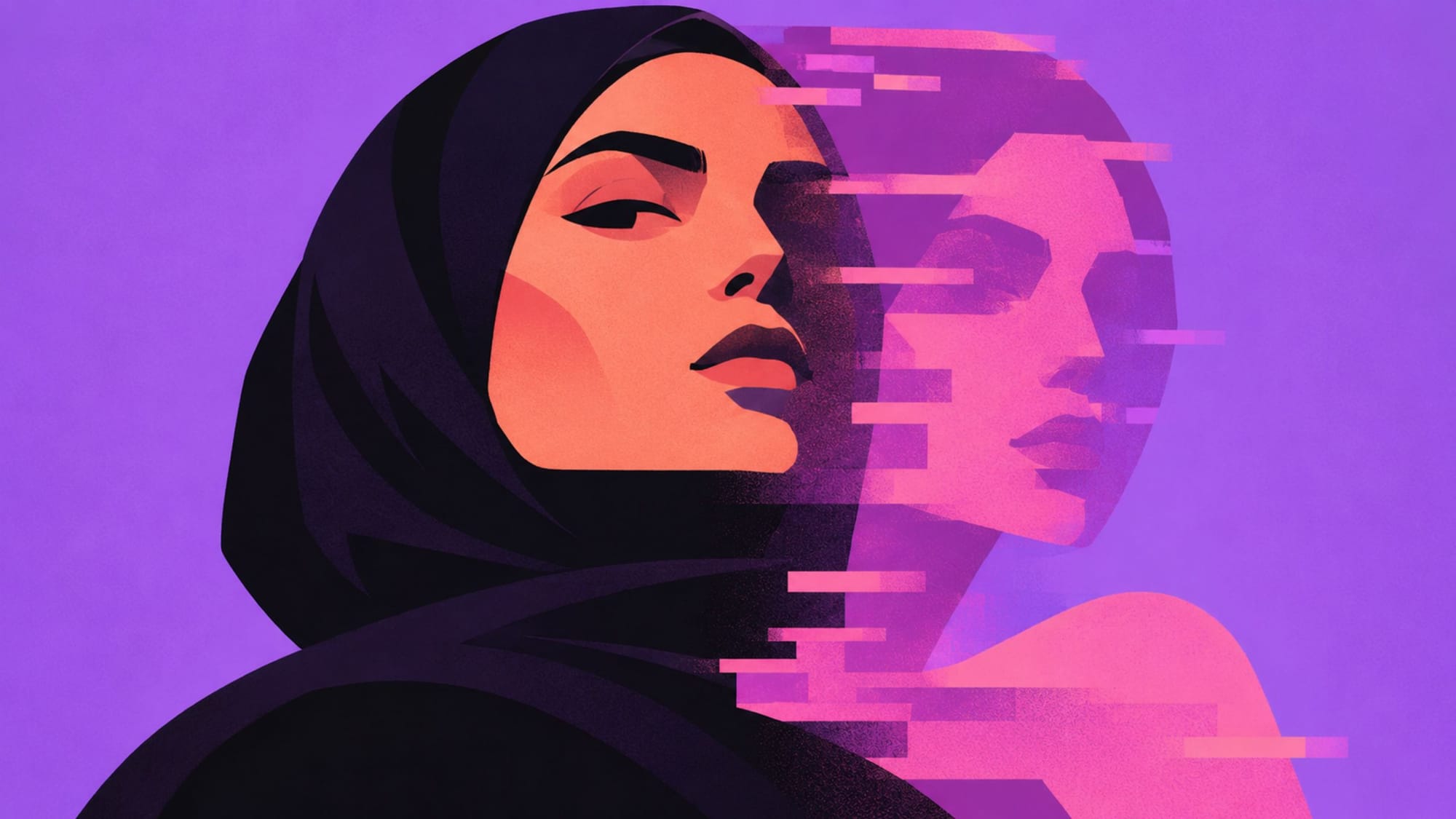
The lawsuit, filed on November 18 in the Northern District of California, comes after an image of Al-Khatahtbeh was taken from X, where it was posted on January 1, and then used by Grok to create and post new images that removed her hijab and showed her in various states of undress.
We obtained a copy of the lawsuit for you here.
The image that was used was a selfie taken at the January 1 inauguration of Zohran Mamdani as a NYC mayor, where Al-Khatahtbeh was wearing a black hijab and a purple fur coat.
After the photo was posted on X, users tagged Grok, asking it to remove the hijab and change the outfit to lingerie, and Grok generated and posted the images, WIRED is reporting.
Al-Khatahtbeh said that seeing these images was “the same as if someone had ripped off my headscarf in real life.”
The real-world harm that Al-Khatahtbeh experienced was that somebody took her image and sexualized it before a mass audience. As she put it, “But online, it was to an audience of tens of thousands of people who saw these images.”
“These faceless users on X shouldn’t have the ability to hop on and violate a woman on the other side of the country in this way,” Al-Khatahtbeh said.
The lawsuit now seeks to make xAI, as the maker of the tool, liable for the actions of its users.
That is a dangerous game, as it could establish a precedent that would negatively affect free speech of all users of AI tools, by making the companies behind them responsible for every possible alleged misuse of their products.
Al-Khatahtbeh called 911 after seeing the Grok images, but the police officers who responded to the emergency call took a report but said there was nothing they could do. She then reported the images on X, but they were not taken down immediately.
The lawsuit is based on the idea that a general-purpose AI tool is a “defective product” and its maker is liable for “emotional distress.”
The complaint also accuses xAI of intentional distribution of nonconsensual sexual images, negligence, and design and marketing defects.
The case asks the court to accept that the company should have designed Grok to refuse to remove religious garments in images of real people, and not create “sexualized depictions of identifiable, non-consenting real people.”
The complaint goes into how easy it would have been for xAI to achieve this, saying that a prompt directing Grok to remove a hijab is “trivially easy to execute unless the system is designed to refuse it.”
The attorney representing Al-Khatahtbeh, Hillary Nappi, spoke in favor of going after “Big Tech” by suing them, and referred to Grok as “a product, and I don’t view it as anything different than any other defective product.”
That’s precisely the problem – speech is not a product, and if companies making AI tools can be sued as the “maker” of whatever users prompt them to generate, that opens up a whole new frontier of censorship.
The cheapest and most likely way for these companies to avoid being sued would be to stop allowing any edits of real people’s photos, ban religious and political imagery, ban satire and parody of public figures, log and monitor all prompts, and demand ID and age checks before allowing anyone to use the tool.
The “harm” that is cited in these cases is also highly subjective and elastic – the intentional infliction of emotional distress claim, for example, turns on how someone feels – and that is exactly the standard that is used to turn lawful political and religious speech into “hate speech” and have it censored.
In addition, as Reclaim The Net and groups like the Foundation for Individual Rights and Expression (FIRE) have noted, the NO FAKES Act would make a tool liable if it is “primarily designed” to make replicas – which is a “vague standard” that “can easily ensnare open-source developers and small startups whose generative AI models sometimes output a voice or face that resembles a real person.”
The bill would also introduce a takedown system, where platforms would be incentivized to “delete first and ask questions never” in order to avoid liability for not removing flagged content quickly enough.
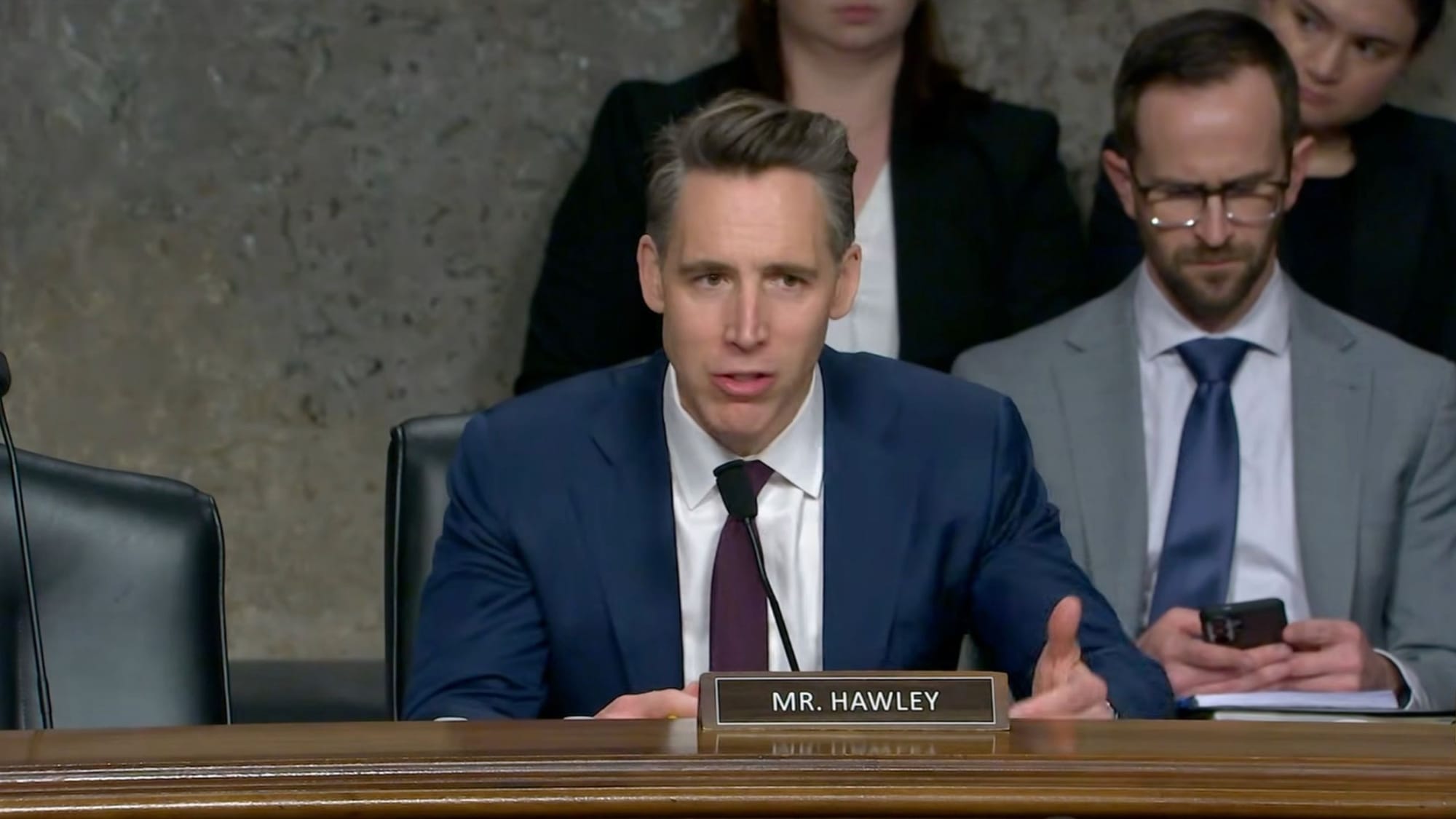
On November 17, the Senate held a hearing into the Roblox game platform, and the “fixes” proposed there were age verification and monitoring. Senator Hawley complained that “typing in a birthday is still all that it takes to start playing games.”
On the same day, Senator Ted Cruz again blocked the NO FAKES Act, saying it “has the potential of creating liability for legitimate satire and legitimate political speech.”
The legal action against xAI is not the first time that the company has found itself in trouble. In July 2025, a court in Turkey ordered that access to the service be blocked over content that Grok generated that was deemed to be insulting to President Recep Tayyip Erdogan, as well as to Mustafa Kemal Atatürk, and “revered religious figures.”
The case of Al-Khatahtbeh is different because it was real abuse of a real, identifiable woman whose image was sexualized before an audience of tens of thousands.
The images were posted on X, and the people who created them and published them are identifiable account holders on that platform.