The Investigatory Powers Tribunal has ruled that the British Home Office must stop playing a game of “neither confirm nor deny” that the Home Secretary gave Apple a secret order.
A technical capability notice (TCN) is a secret order under the Investigatory Powers Act that can force a company to recklessly change its product so the state can access data, including by removing encryption.
The tribunal’s judgment means that it is now officially confirmed that the Home Secretary did give Apple a TCN.
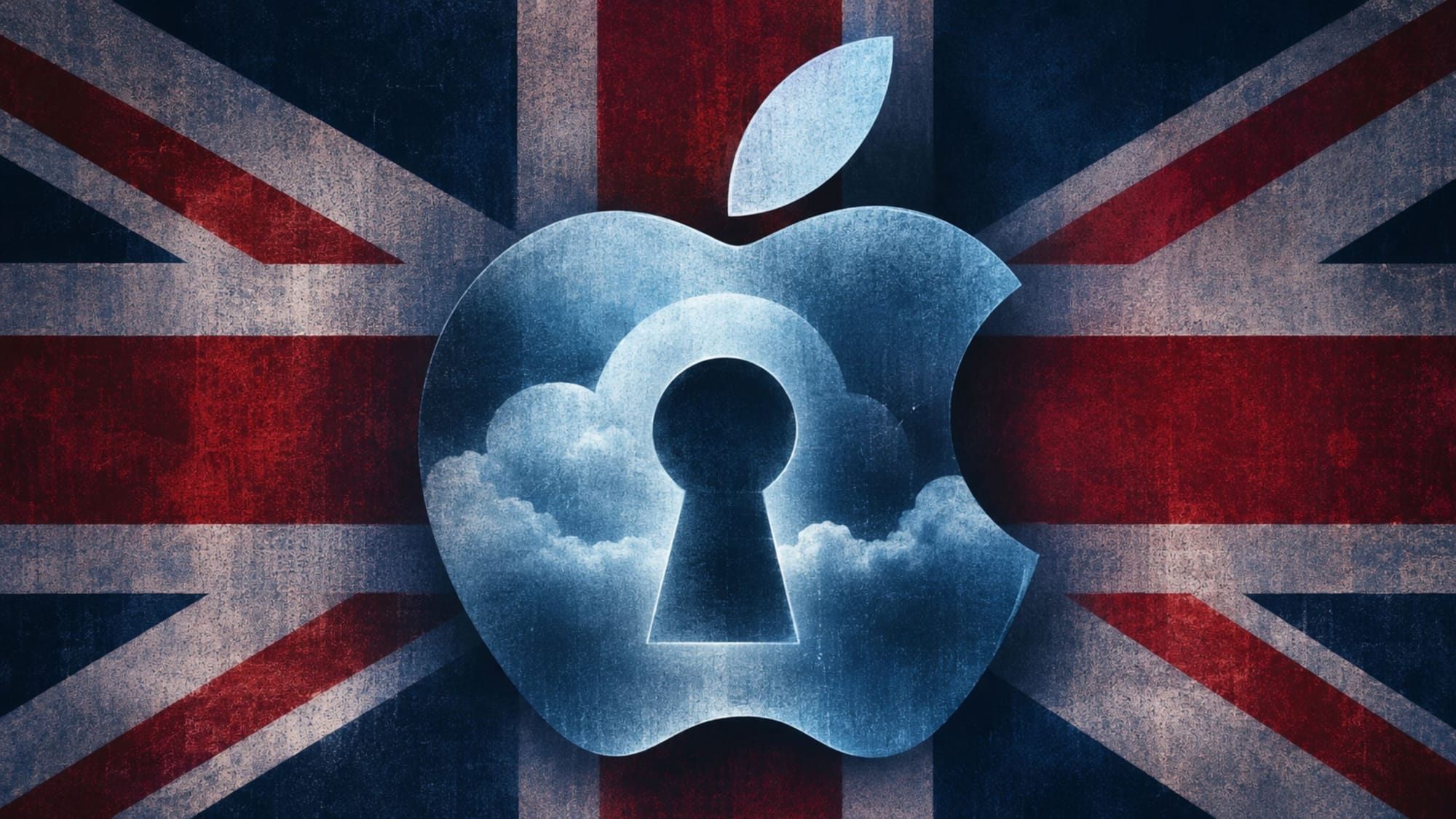
The order is believed to concern the iCloud data of British users that is protected with end-to-end encryption – which Apple has already started to make unavailable to new UK users.
Apple pulled its strongest iCloud encryption, Advanced Data Protection (ADP), from new UK users in February 2025.
What the notice, that was at the center of this legal battle, actually says, remains a secret for the time being, but the tribunal found that the government had no grounds to keep it secret that the notice had been given.
The tribunal’s ruling was that the government “has not established that it would be damaging to national security to reveal in these proceedings, as is the case, that the respondent has given Apple a technical capability notice.”
In fact, the judges said, “anyone with even a passing interest in this topic already knows that the respondent has served a technical capability notice on Apple.”
The tribunal heard that the answer to whether the Home Secretary had issued a TCN to Apple “can be found by simply typing the question into Google’s chatbot.”
The government’s case was that confirming the order would help bad actors – but the tribunal found this “seems to us to be fanciful.”
Meanwhile, the government was briefing newspapers about the case – and the tribunal found that these briefings were authorized by ministers or senior officials.
The Home Office even told the tribunal that it had carried out an investigation into who was behind the media reports – but the judges found that the result of this probe “has little or no evidential value in the absence of any further detail about what the investigations involved.”
The tribunal found it plausible that the Home Office “formally maintains NCND in the face of media inquiries” – but at the same time “informally” briefs journalists in order to get a desired “narrative.”
The judges also found that the Home Office’s own assessment that revealing the existence of the TCN would be damaging to national security was “flawed in the public law sense.”
And they noted that the department’s papers explaining the true position were marked “OFFICIAL SENSITIVE” rather than “SECRET” or “TOP SECRET.”
The judges were Lady Carmichael (President), Mr Justice Chamberlain, and Mr Justice Johnson, and the hearing took place on September 17, 2026.
The Home Office’s Andrew Scurry said in a statement that the “NCND principle is only effective when it is maintained consistently” – but the tribunal noted that if that were true, then reports in The Times and the Financial Times must be false. The government’s barrister did not argue this point, however.
An earlier statement by the Home Office said that a leak inquiry found “no Government source has been identified.”
The government’s barrister, Neil Sheldon KC, argued that confirming the TCN would create a damaging precedent – but the tribunal did not accept this argument.
The judgment means that much of the case can now be heard in public – but the content of the notice will remain secret for the time being, to be decided on at a later date.
A hearing that was scheduled for December 2026 is no longer practical, and the parties in the case will now aim to hold a substantive hearing in the first half of 2027.
The case has been described by the Liberty human rights group as "a victory for transparency." But the group's director, Akiko Hart, also noted that the UK government should not be weakening encryption, but strengthening it, given the growing number of cyber threats.
And Privacy International said that the government cannot "have its cake and eat it too" by claiming secrecy in legal challenges, while at the same time giving information to the press to suit its political or diplomatic agenda.
Apple’s claim is that the power under the Investigatory Powers Act (IPA) to issue TCNs cannot be used to force a company to change the security or privacy of its products. The US tech giant also argues that the order is disproportionate.
The TCN is one of the most controversial and secretive powers the British Home Secretary has – and is used to force companies to make sure that the authorities can access data, including by removing encryption.
The law – s255(8) of the IPA – also says that a company that has received a TCN is not allowed to reveal that fact to anyone.
In the past, Apple has stated that “we have never built a backdoor or master key to any of our products or services and we never will.”
As for the Advanced Data Protection (ADP) feature, Apple said that 10 categories of data that were protected with end-to-end encryption are no longer available to new UK users. These are: iCloud Backup, iCloud Drive, Photos, Notes, Reminders, Safari Bookmarks, Siri Shortcuts, Voice Memos, Wallet Passes, and Freeform.
Apple has not given a deadline for when existing users in the UK will have to disable the feature if they want to keep using their iCloud account.