FISA Section 702 Extension Faces House Vote With No Privacy Reforms
The agency running more warrantless searches of Americans’ data than ever is the one asking Congress for more time and fewer rules.

The agency running more warrantless searches of Americans’ data than ever is the one asking Congress for more time and fewer rules.

A California judge just decided who gets to use ChatGPT, and the person banned from it wasn’t even in the courtroom.

AI’s lawsuit against Colorado doubles as the first major courtroom test of whether the government can tell an AI what opinions to have.

A British regulator bypassed every formal legal treaty and just emailed American companies into compliance, and 98% of them apparently obliged.

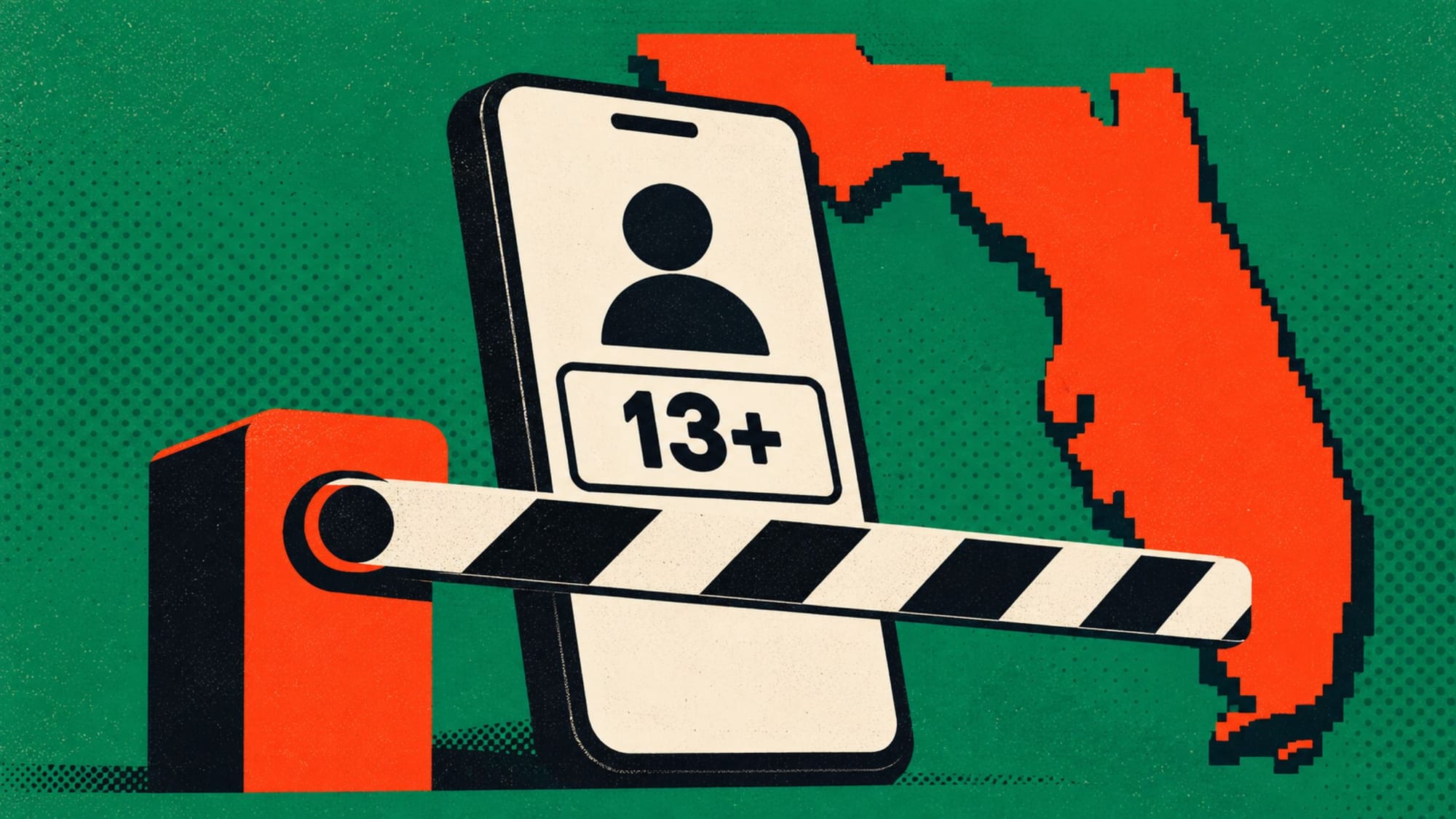
The state that wants to protect children online first needs every adult in Florida to hand over their ID.

A federal agency spent taxpayer money telling Americans which news outlets to trust, and it took three years of litigation to make it stop.

A blueprint for a nation starving for a taste of freedom.

The EU’s own data showed the scanning system failed to produce a single measurable link between mass surveillance and actual convictions.

Supreme Court unanimously rules Cox Communications not liable for subscriber piracy in Sony Music Entertainment case.

Every two years, Congress gets a chance to add a warrant requirement to Section 702, and every two years, it finds a reason not to.

If the design-as-defect argument survives appeal, more than 1,600 similar cases waiting in courts across the country inherit a ready-made blueprint for killing anonymous speech.

The administration that inherited the lawsuit just signed away its predecessor’s censorship playbook in a binding legal document.

Calling age verification requirements “privacy protective,” is a bit like calling a honeypot “security infrastructure.”

The bloc that fined X for restricting researcher data access then cited X’s comparatively open data as the reason it leads the disinformation statistics.

A jury just ruled that making songs about what police did in your own home is exactly the kind of speech the First Amendment was built for.

Modest but meaningful surveillance reforms, warrant requirements, parallel construction limits, may die on the vine if they stay hitched to a bill the Senate won’t pass.

Parliament won the battle over mass scanning, but the version of this law that actually passes could still harm encrypted communication forever.

Uthmeier’s April 8 deadline gives platforms one month to build the identity surveillance infrastructure that Florida’s child-protection framing was designed to make you forget about.

The bills arrive dressed as child protection but leave behind a mandate to build the largest ID grab in American consumer history.

The law was written before the missiles arrived, but its timing couldn’t be more useful for a government that would prefer its residents experience a war only through official channels.

A sarcastic joke is now the centerpiece of a First Amendment case that could add to precedent about how members of Congress use their official social media accounts.

Simons was accused of running a thinktank dedicated to fighting “disinformation,” then used a government intelligence body to spread it.

The agency charged with enforcing the law that restricts children’s data collection just carved out an exception large enough to swallow the law itself.

Macron is asking Washington to welcome back the architect of the law that got X fined.

The agency running more warrantless searches of Americans’ data than ever is the one asking Congress for more time and fewer rules.

A California judge just decided who gets to use ChatGPT, and the person banned from it wasn’t even in the courtroom.

AI’s lawsuit against Colorado doubles as the first major courtroom test of whether the government can tell an AI what opinions to have.

A British regulator bypassed every formal legal treaty and just emailed American companies into compliance, and 98% of them apparently obliged.

The state that wants to protect children online first needs every adult in Florida to hand over their ID.

A federal agency spent taxpayer money telling Americans which news outlets to trust, and it took three years of litigation to make it stop.

A blueprint for a nation starving for a taste of freedom.

The EU’s own data showed the scanning system failed to produce a single measurable link between mass surveillance and actual convictions.

Supreme Court unanimously rules Cox Communications not liable for subscriber piracy in Sony Music Entertainment case.

Every two years, Congress gets a chance to add a warrant requirement to Section 702, and every two years, it finds a reason not to.

If the design-as-defect argument survives appeal, more than 1,600 similar cases waiting in courts across the country inherit a ready-made blueprint for killing anonymous speech.

The administration that inherited the lawsuit just signed away its predecessor’s censorship playbook in a binding legal document.

Calling age verification requirements “privacy protective,” is a bit like calling a honeypot “security infrastructure.”

The bloc that fined X for restricting researcher data access then cited X’s comparatively open data as the reason it leads the disinformation statistics.

A jury just ruled that making songs about what police did in your own home is exactly the kind of speech the First Amendment was built for.

Modest but meaningful surveillance reforms, warrant requirements, parallel construction limits, may die on the vine if they stay hitched to a bill the Senate won’t pass.

Parliament won the battle over mass scanning, but the version of this law that actually passes could still harm encrypted communication forever.

Uthmeier’s April 8 deadline gives platforms one month to build the identity surveillance infrastructure that Florida’s child-protection framing was designed to make you forget about.

The bills arrive dressed as child protection but leave behind a mandate to build the largest ID grab in American consumer history.

The law was written before the missiles arrived, but its timing couldn’t be more useful for a government that would prefer its residents experience a war only through official channels.

A sarcastic joke is now the centerpiece of a First Amendment case that could add to precedent about how members of Congress use their official social media accounts.

Simons was accused of running a thinktank dedicated to fighting “disinformation,” then used a government intelligence body to spread it.

The agency charged with enforcing the law that restricts children’s data collection just carved out an exception large enough to swallow the law itself.

Macron is asking Washington to welcome back the architect of the law that got X fined.