
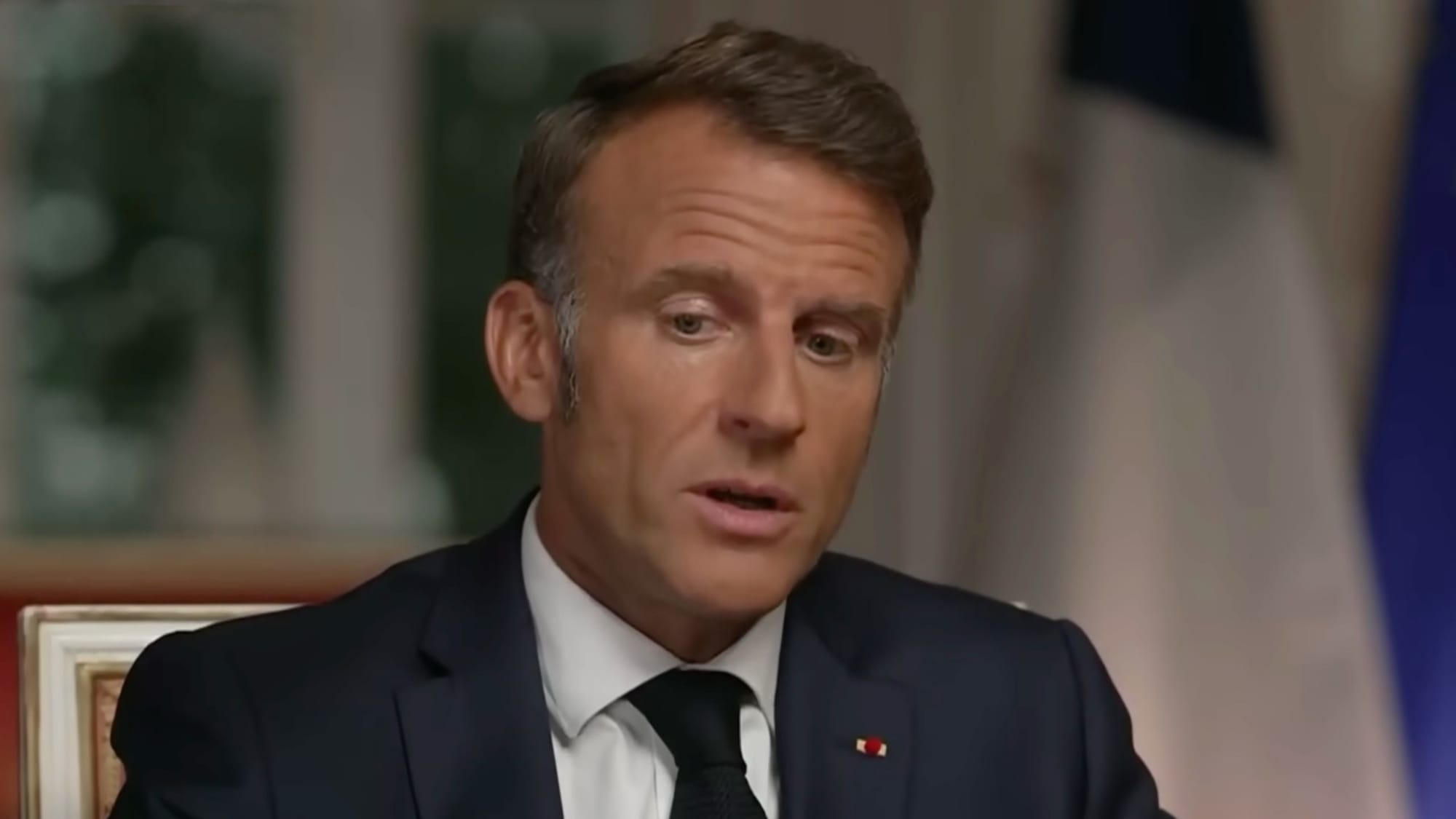
The highest court of France has today blocked a bill that banned social media access for those under the age of 15. The court ordered that the social media digital ID law infringed upon freedom of expression.
The decision is a major blow to President Emmanuel Macron, who supported the legislation and was trying to encourage other countries to follow suit, but is a win for privacy and free speech.
Read the order here.
The controversial bill would have banned those under 15 from opening a social media account, and it would have come into effect from September 1. Accounts that were already opened by September 1st would have had to be closed within four months, and platforms would have had to introduce age verification systems, which curb privacy.
"By prohibiting minors under the age of 15 from accessing certain online services, the law inherently requires every person, even an adult, to prove their age before accessing them." That was France's Constitutional Council, today, just three weeks before the law was due to take effect.
"The Council holds that the contested provisions, on the one hand, disproportionately infringe upon the freedom of expression and communication and, on the other, fail to provide the legal safeguards necessary to ensure the right to respect for private life," the decision said.
The court believes protecting children was a legitimate objective; the bill nonetheless "infringes freedom of expression and communication in a manner that is not appropriate, necessary or proportionate" to it — "une atteinte qui n'est pas adaptée, nécessaire et proportionnée."
The government fully understood that checking IDs part and thought it a selling point. "For four months, all of us in France will have to prove our age," digital minister Anne Le Hénanff told journalists after July's vote. "If someone is under 15, the account will be closed." The timeline was realistic, she said, "because age-verification tools already exist."
Lawmakers "had failed to set out clear rules on how people should prove their age and what limits should apply, meaning there were not enough legal safeguards in place."
As part of the bill, no one under 15 could have opened an account from September 1; platforms had four months to close those already open, and they "would also need to use age verification approved by the French privacy regulator."
France moved quickly on this and tried to push the model on everyone else. "This is not about whether children can access social media. It is about whether and when social media can access our children," European Commission President Ursula von der Leyen told reporters in Brussels last month, pledging an EU-wide ban after an expert group recommended restricting under-13s.
"Our children need time in the real world. Time to play, time to build friendships, time to make mistakes. Time to shape their own identity, their own personality, before an algorithm shapes them instead," she said.
Britain's parliament is expected to vote on similar measures by Christmas. Spain, Greece, and Denmark are planning minimum ages. Brazil, Canada and Norway say they are strongly considering them. Australia made the move last December, barring under-16s from platforms "including Facebook, Snapchat, TikTok and YouTube," and its lawmakers are weighing stricter penalties after data showed "mixed success." The platforms themselves "generally oppose blanket bans," while saying they would comply.
Article 1 of the French bill was the only part struck down. The rest of it still stands, including the school phone ban. And it's not over yet. Macron has told Prime Minister Sébastien Lecornu to rewrite the ban "as quickly as possible," so that it is in force before the spring 2027 election he cannot contest. The next bill will have to explicitly say how everyone's proof of age is collected, held, and bound.
Earlier this year Macron "urged teenagers to turn off their devices and read in order to become better citizens."