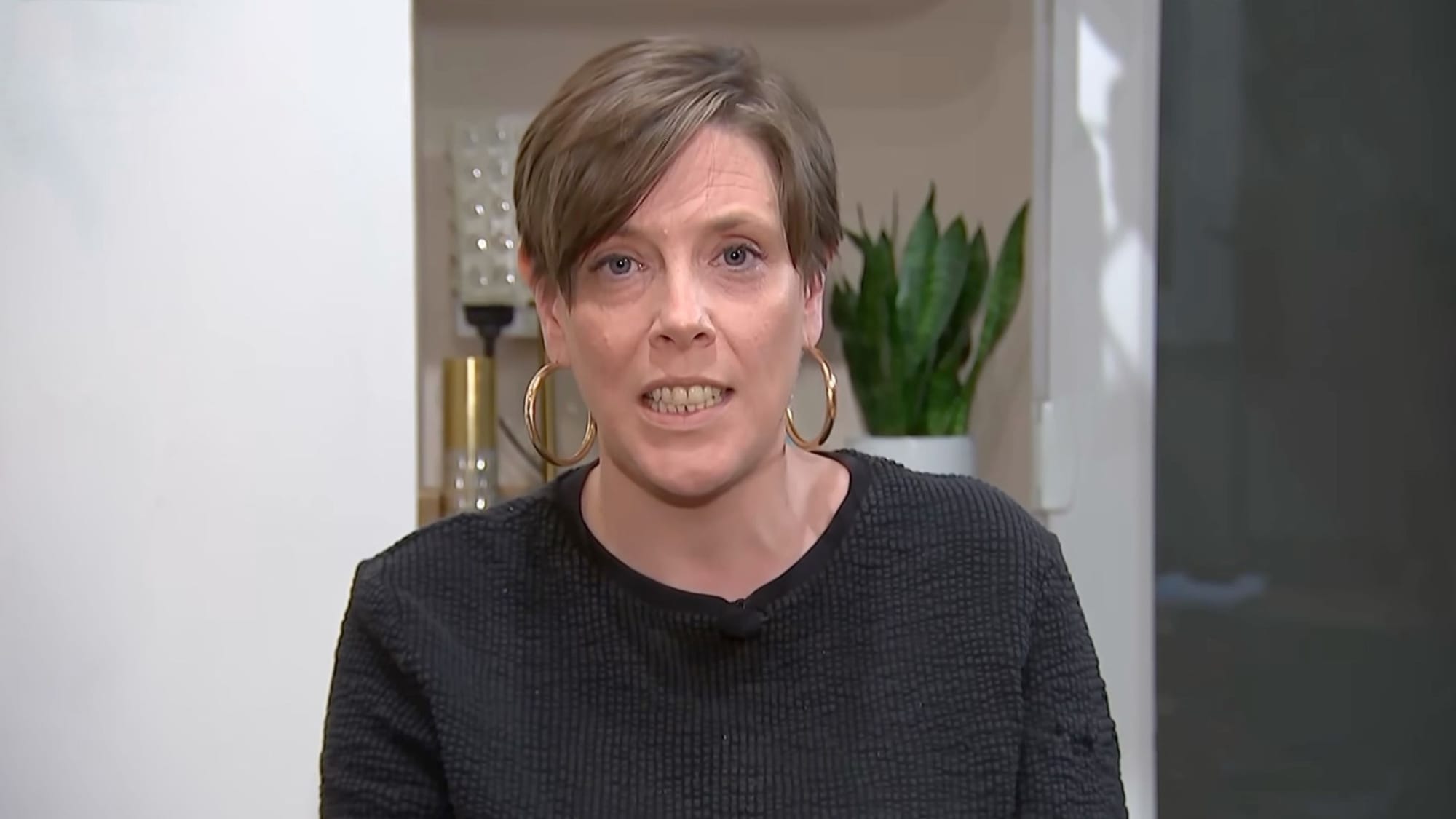

An Australian senator from the ruling Labor Party has posted a video promoting the government’s Online Safety Amendment (Digital Duty of Care) censorship bill of 2026 by choosing three Instagram posts as examples of what the law is designed to go after.
“We hear a lot about what young men see in their social media feeds, and rightly so, because it can be really terrible,” senator Ellie Whiteaker from Western Australia said in the video.
“But we should talk about what young women see too, being told to give up their independence, to submit to a man, to obey their husbands, things that women just shouldn’t be exposed to online in 2026,” she continued.
The three posts she chose to make this point were: a woman making a cake for her husband, a woman baking with her children with the caption, “trad wives aren’t a trend. This used to be called being a woman,” and a happy couple with the caption, “how life feels when my only bosses are God and my husband.”
None of the three posts are illegal under current laws, but the senator’s pitch for the new bill is that, “Our Digital Duty of Care Bill puts responsibility on the platforms. It holds them accountable for what you see in your feeds.”
She also said the bill “gives the power back to you to decide whether you want the algorithm or not.”
What it actually does is give regulators and the government power to decide what is and isn’t allowed, and what “appropriate action” social media platforms should take to “ensure a safe online environment.”
The bill doesn’t explicitly ban “trad wife” posts, but it does instruct platforms to conduct written risk assessments of “reasonably foreseeable risks” of material that causes that risk, and the design features (such as recommender feeds) that amplify or reduce the risk.
The bill’s list of material that is “harmful to children” includes material that “encourages or promotes hostile attitudes towards women or gender equality,” as well as a catch-all, “any other material or conduct, or combination of material and conduct, that may cause serious harm to children.”
Platforms serve both adults and children on the same feed, and they will have to figure out what “hostile attitudes towards women or gender equality” is, in order to “mitigate” it, and that means they will have to decide what content falls into that category, and suppress it, or risk being fined.
The senator’s video is a clear indication of how officials currently read that definition, and how it might be enforced.
The video was first posted on Instagram, and then on X by Australian activist Drew Pavlou with the comment, “Australian Labor MP calls for the government to censor ‘trad wife’ content on Instagram.”
Pavlou also wrote that, “The Labor ‘Digital Duty of Care’ bill is one of the most Orwellian pieces of legislation I’ve ever seen.”
Another senator, Ralph Babet of the United Australia Party, said, “Labor is now saying that looking after your family is misogyny. Their solution? Censor the internet.”
Although Pavlou used the word “ban,” the bill doesn’t actually ban any content – it just puts pressure on platforms to remove it from feeds and moderate it, or pay fines.
The way the bill is written, it is up to the eSafety Commissioner (Julie Inman Grant) to write guidelines, issue formal warnings and remedial directions, and demand that platforms hand over their risk assessments within 30 days. The commissioner can also order access to a platform’s recommendation algorithms.
The penalty for failing to meet the duty of care is 60,000 penalty units – which, as we previously reported, translates to fines of up to A$109 million.
The bill doesn’t define what harm is beyond listing various types of it, but Inman Grant has told a Senate committee she was open to narrowing down that definition.
However, she also dismissed fears of over-censorship as “a stretch,” saying, “I haven’t seen any indication, particularly over the past two years, that companies are over-censoring.”
TikTok’s Jessika Lofstedt told the same committee that the bill would replace “certainty with ambiguity and with subjectivity.”