A Canadian MP has called it "ridiculous" that people are worried about free speech when a new regulator is given powers to police speech.
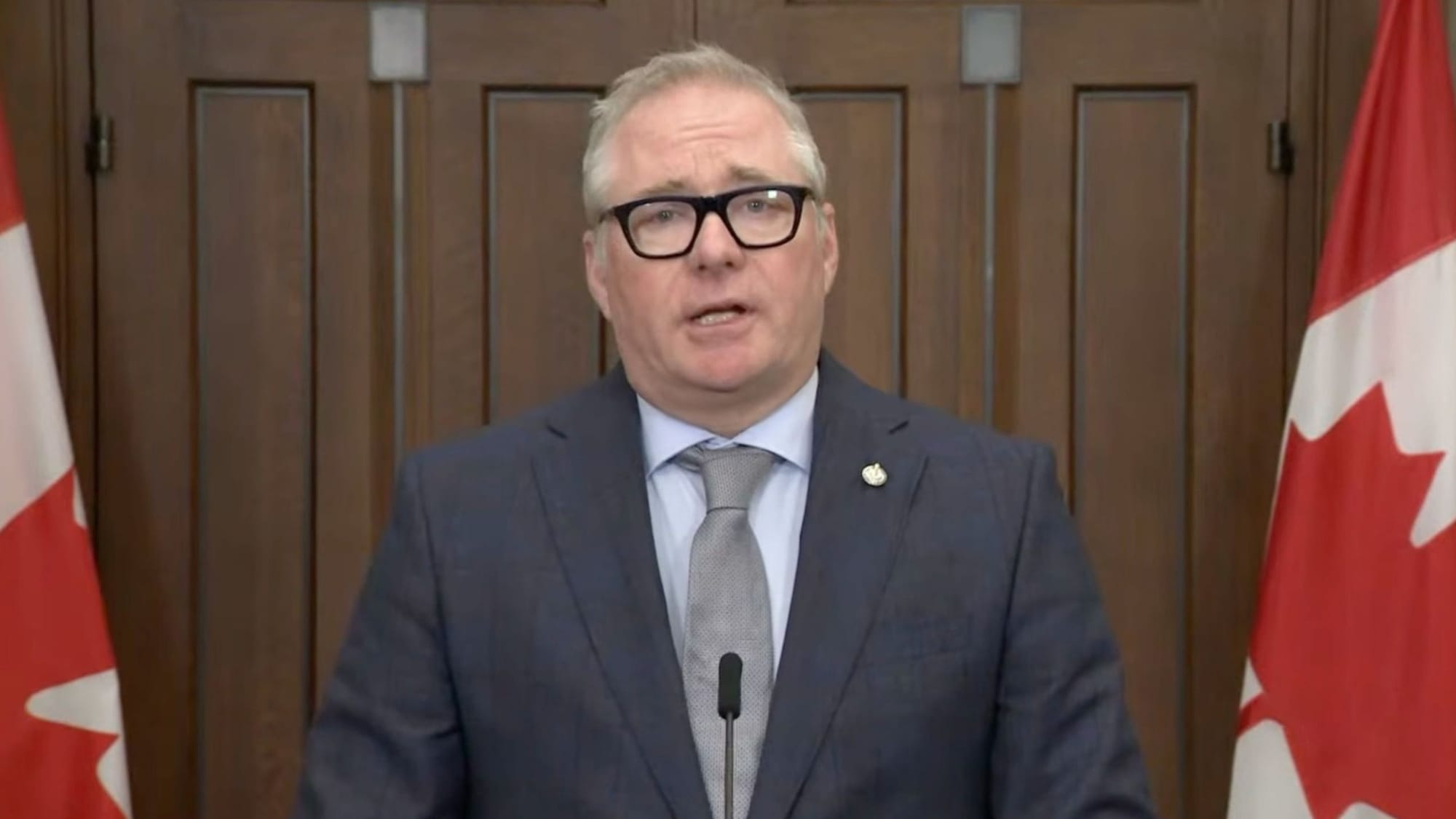
This was said by Bloc Quebecois MP Martin Champoux during the November 19 meeting of the House of Commons Canadian Heritage committee, its second on the subject of Bill C-34, the Safe Social Media Act.
Champoux, speaking via an English interpretation, said that "it's the second meeting on this issue, and it's the second time we hear people that are coming to talk about censorship and freedom of expression."
He then called that "ridiculous" and said he was "disgusted by that."
"We're talking about the health and safety of our children," he said.
Opponents of the bill say it creates a powerful censorship apparatus.
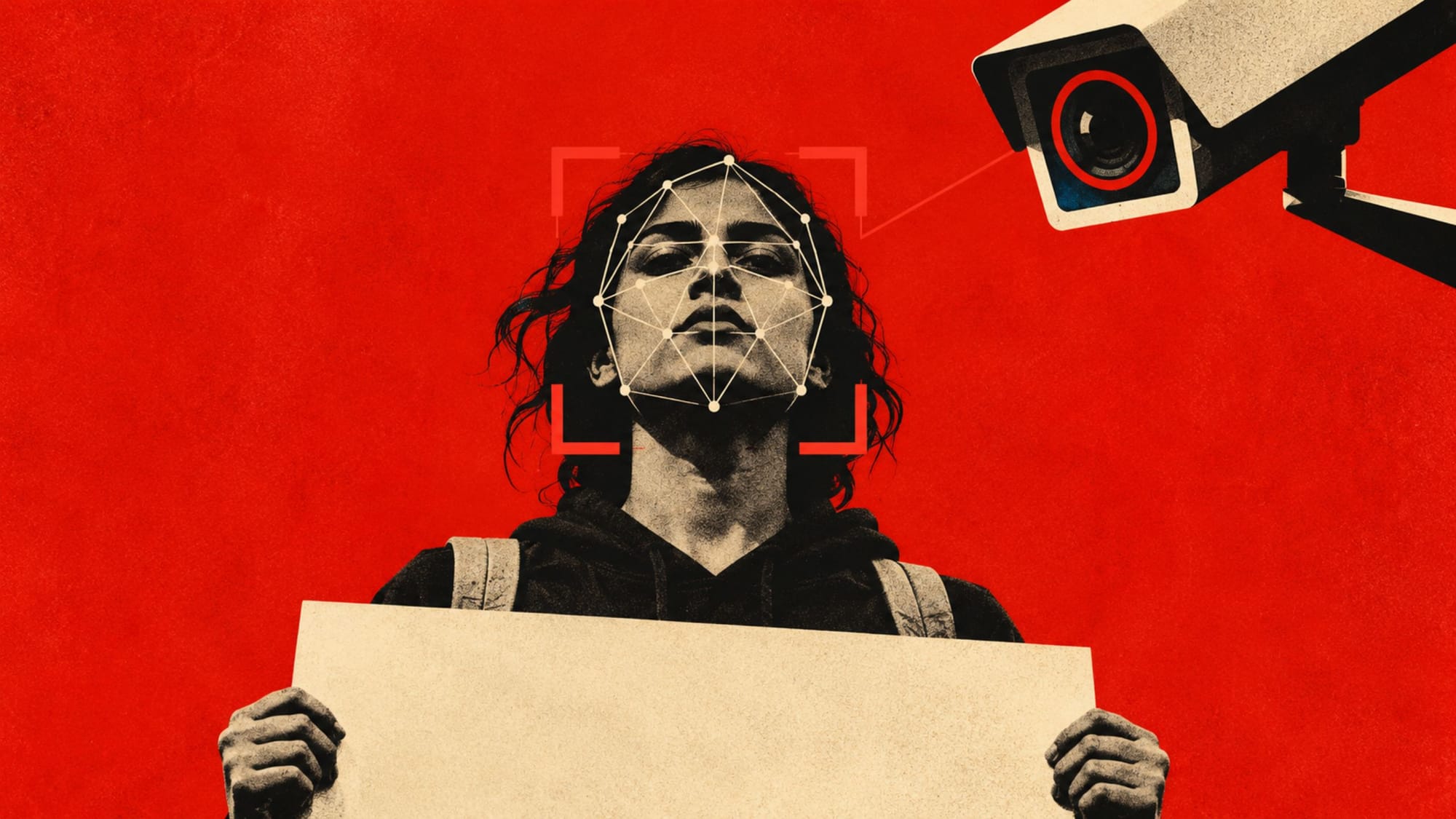
The privacy and censorship concerns arise from section 27 of C-34, which requires that platforms designated by cabinet regulation must use "age-verification or age-estimation measures designed to prevent a person under the age of 16 from being able to have an account."
In other words, every user will have to prove their age.
The bill also provides for a new Digital Safety Commission that will have "three to five full-time members" appointed by the cabinet, and which will be tasked with making sure that platforms mitigate exposure to "harmful content" - which includes content that "foments hatred" - and that platforms label "synthetic content."
The commission will also have the power to demand that platforms file digital safety plans.
The penalties for non-compliance will be fines that can reach up to 3 per cent of a company's global revenue.
Kyla Lee, a lawyer, said that the vague language of the bill means that platforms will "err on the side of caution" and censor more speech than they should in order to avoid paying those fines.
"The rational response to that is going to be over removal," she said.
The November 17 meeting heard from Carol Todd, whose daughter Amanda died by suicide in 2012, aged 15, after being targeted by an online predator.
Todd, who said that Amanda was "stalked, harassed, humiliated and relentlessly bullied online and offline," urged quick passage of the bill, saying, "No family should experience what Amanda endured."
Josh Dehaas, the Canadian Constitution Foundation's interim litigation director, warned that the bill could be "a Trojan horse to create a new censorship apparatus that will silence adults."
Dehaas was particularly concerned about the power the bill gives to the Digital Safety Commission, and the definition of "harmful content," which, he said, is broad and vague and includes speech that "foments hatred".
He also warned that companies will "err on the side of caution by censoring legal speech rather than risk enormous fines for making the wrong calls."