Australia has spent six months running the world’s first big experiment in keeping teenagers off social media. The results are now in and the results are that teenagers are still on social media. Pretty much all of them.
So naturally, the government has looked at this comprehensive, undeniable, slightly embarrassing failure and decided that the correct response is to do exactly the same thing again, except angrier and with bigger fines.
A study in the British Medical Journal followed 408 teenagers and found that 85% of Australians aged 12 to 15 were still merrily logging on three months after the ban supposedly cut them off from the world.
The New York Times took a look and concluded that “six months in, most indications are that the law has largely failed at keeping young teens off the platforms.” One parent, asked how the great crackdown was going in their household, offered the immortal line “I don’t know a single person who’s lost an account.”
The methods teenagers use to defeat this multimillion-dollar age-verification apparatus are the fun part.
Some of them draw mustaches on their faces. A nation’s flagship child-protection technology, the thing other governments are flying in to study, can be undone by a child with a marker.
The rest just borrow an account from mom, or an older brother, or anyone in the house who has technically aged past the algorithm’s wild guessing. The whole edifice has the structural integrity of a wet paper bag and the teenagers worked that out in roughly a day.
You would think a government confronted with this would feel a flicker of doubt. You would be wrong. Prime Minister Anthony Albanese stepped up on Saturday and announced that the maximum fine for tech firms would double from A$49.5 million to A$99 million (around 68 million USD) because clearly the problem with an impossible law is that the threats attached to it weren’t scary enough.
“It’s clear Big Tech are not doing enough to comply with the law – there are still too many children on social media,” he said, with the wounded confidence of a man who has never once considered that the law itself might be the issue. “These changes reflect the seriousness with which we take any failure by social media companies to comply.”
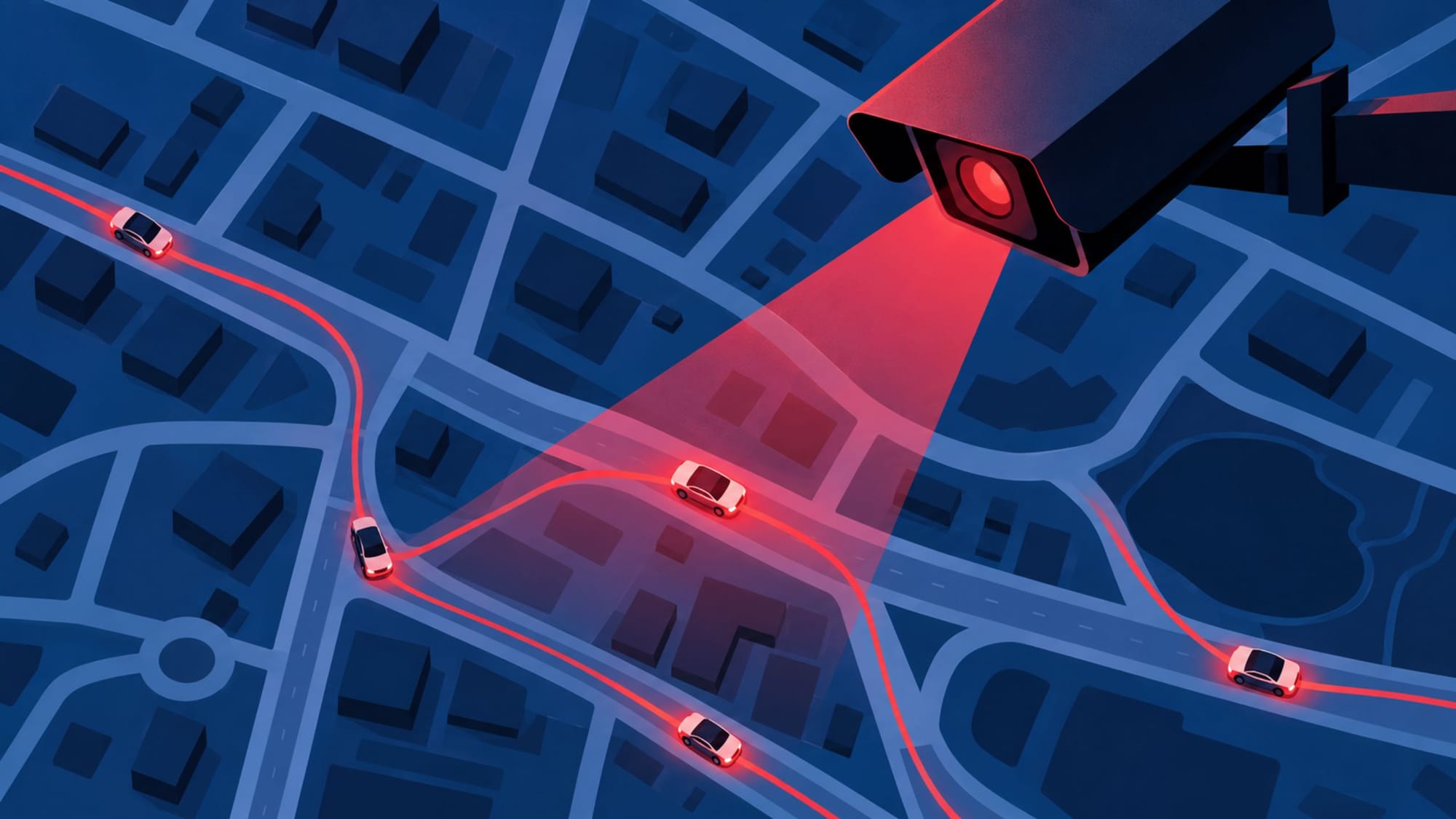
Here sits a real expansion of state power and the mustache jokes have done a fine job of keeping anyone from looking at it. The government wants to strengthen the information-gathering reach of its internet regulator, the eSafety Commissioner.
Communications Minister Anika Wells delivered the obligatory villain messaging, declaring that “Based on the regular updates I receive from the eSafety Commissioner, it is clear to me that social media platforms are adopting tricks straight out of the big tech playbook and doing the bare minimum to get by.” That’s a tidy story that conveniently skips over who’s building the surveillance plumbing.
Because that is what these new powers are. The regulator would be able to compel platforms to hand over documentation proving what they’ve done to keep under-16s out, and the reach stretches past the platforms themselves to third parties, the digital ID companies and the app stores.
A law sold to the public as a simple rule about teenagers opening accounts is a government machine that can demand records from every business that so much as glances at the verification process.
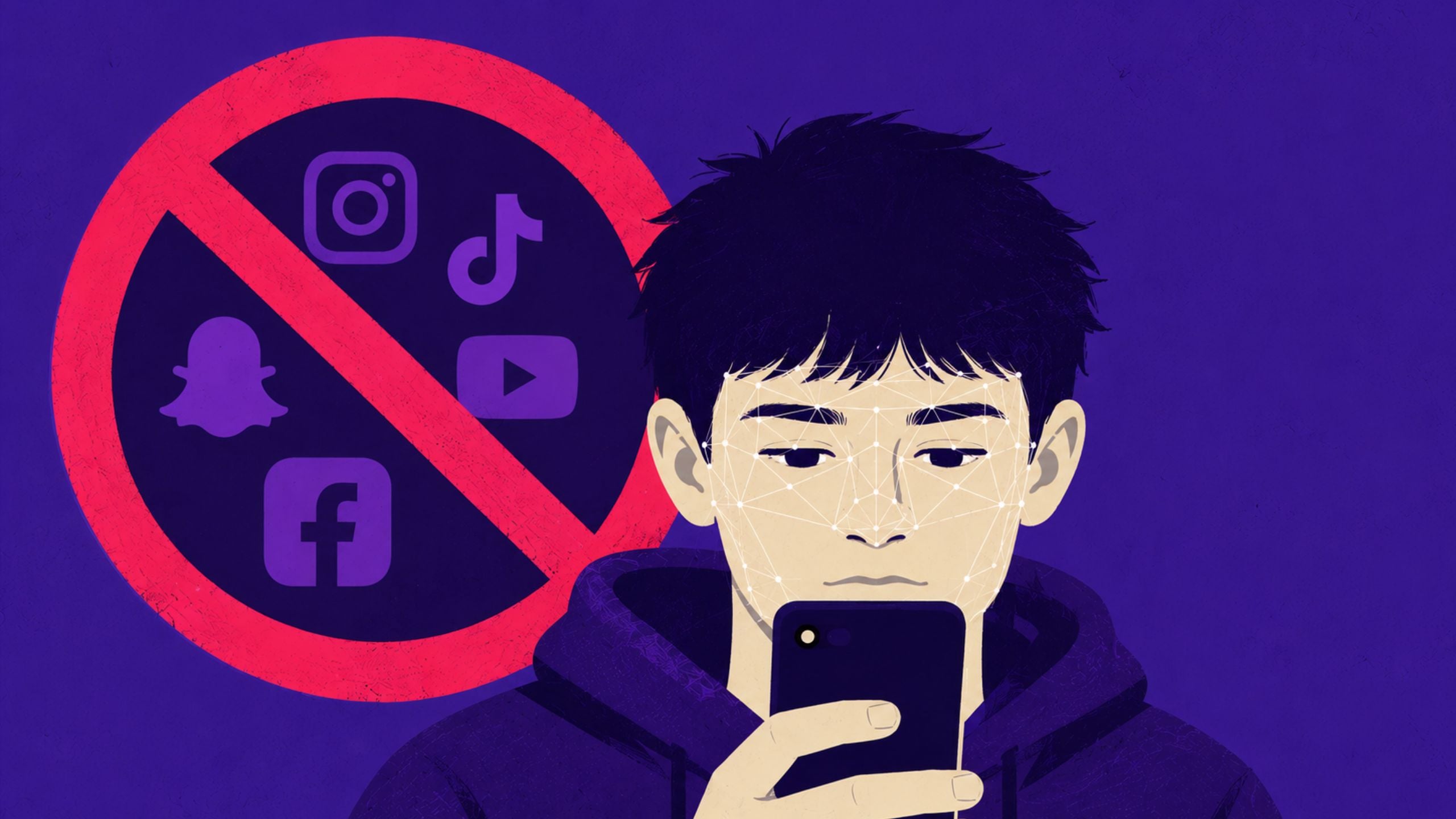
The five platforms currently under investigation, Meta’s Instagram and Facebook, Google’s YouTube, Snap’s Snapchat, and TikTok, are being squeezed to deploy ever more aggressive age-checking, which means scanning more faces and binding more real identities to more usernames, all to fail at stopping a 13-year-old with a borrowed login.
The face-scanning deserves a special prize for pointlessness. The BMJ researchers found two-thirds of underage users sailed through by either declaring themselves over 16 or posting a selfie that the platform cheerfully accepted as over 16.
The system doesn’t work. What it does, reliably, every single time, is normalize the idea that you should hand your face to an automated identity scanner before you’re allowed to speak to your friends.
Kids beat it by pulling stupid expressions. Adults beat it by simply existing for more than 16 years. And in both cases, the camera still got its data. The verification fails at its job and succeeds wildly at the thing it was never advertised to do, which is harvesting biometric and identity information from the entire population on the way past.
The genuinely maddening thing is that a less invasive road existed, and Australia bulldozed straight past it. A government that actually cared about minimizing data collection could have accepted that no system catches every teenager, leaned on lighter measures, and declined to build a face-scanning, identity-linking, document-demanding regime to chase a problem it was never going to solve.
Instead, it has done the opposite with real enthusiasm. The fines climb, the regulator’s tentacles extend and the pressure on platforms to gather more personal information rises with every press conference. The government brags that it has already deactivated or restricted more than five million accounts, which it presents as a triumph, and which is really five million identity judgments made by systems no user can see, question, or appeal.
Other countries are watching this circus and taking notes, not as a warning but as inspiration. Britain announced this month that it wants restrictions to go even further, dragging gaming and live-streaming platforms into the same net.
The thing they’re all so keen to copy does not keep children off social media. The children are demonstrably still there, drawing facial hair and giggling. What it builds with frightening efficiency is permanent infrastructure for identity checks, biometric scans, and behavioral profiling at the front door of every platform you use.