The Australian government has published its proposed Digital Duty of Care legislation, a plan that it says will give people more control over their social media feeds, but which opponents fear is a way to introduce more online censorship.
The exposure draft of the Online Safety Amendment (Digital Duty of Care) Bill 2026 was published on September 8 for consultation, and it is not yet law. The deadline for submissions is noon on September 22, and Communications Minister Anika Wells said the plan is to formally introduce the bill to Parliament in October.
We obtained a copy of the draft for you here.
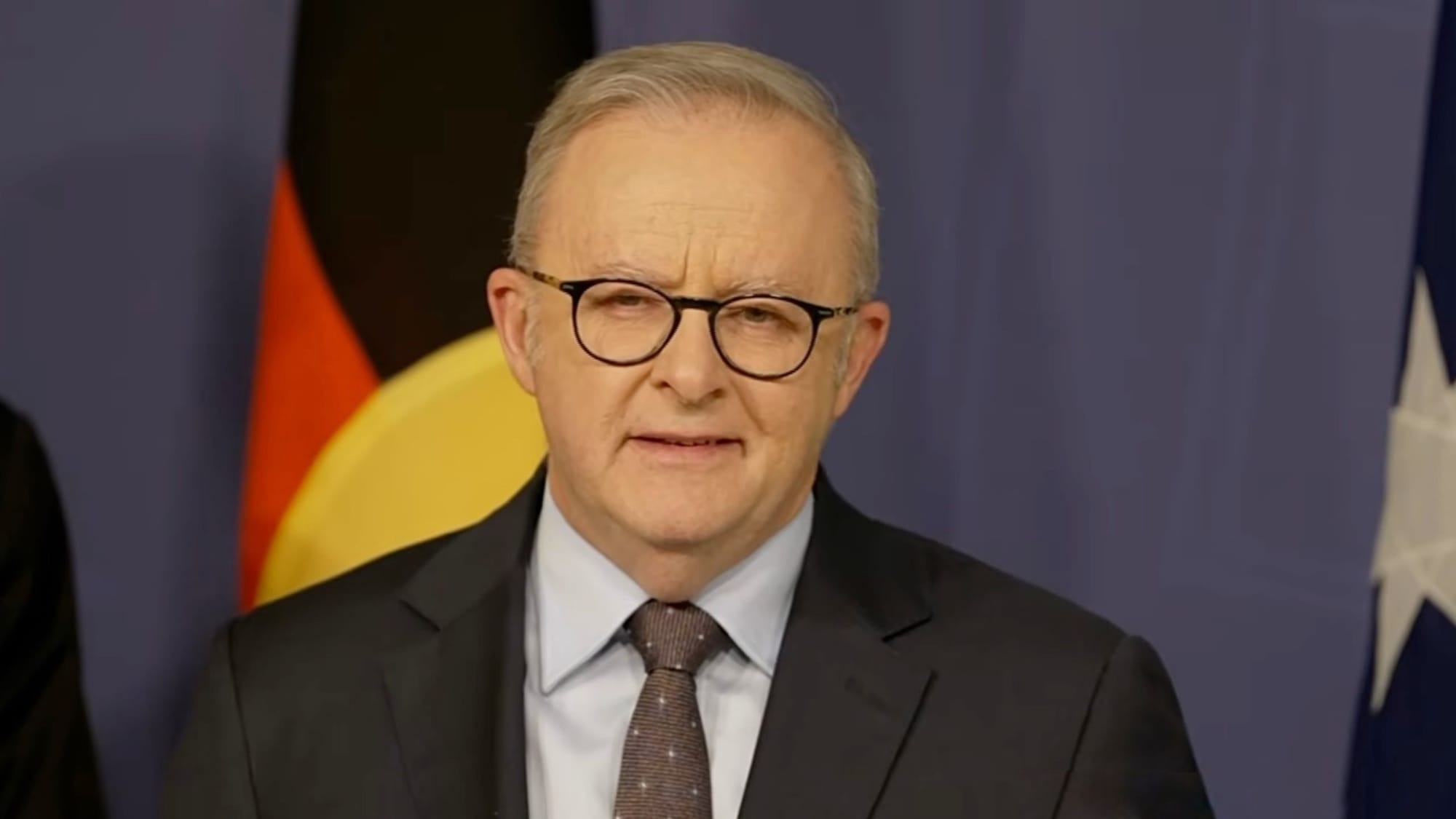
In the words of Prime Minister Anthony Albanese, “This is not about giving government control, it is about giving people control.”
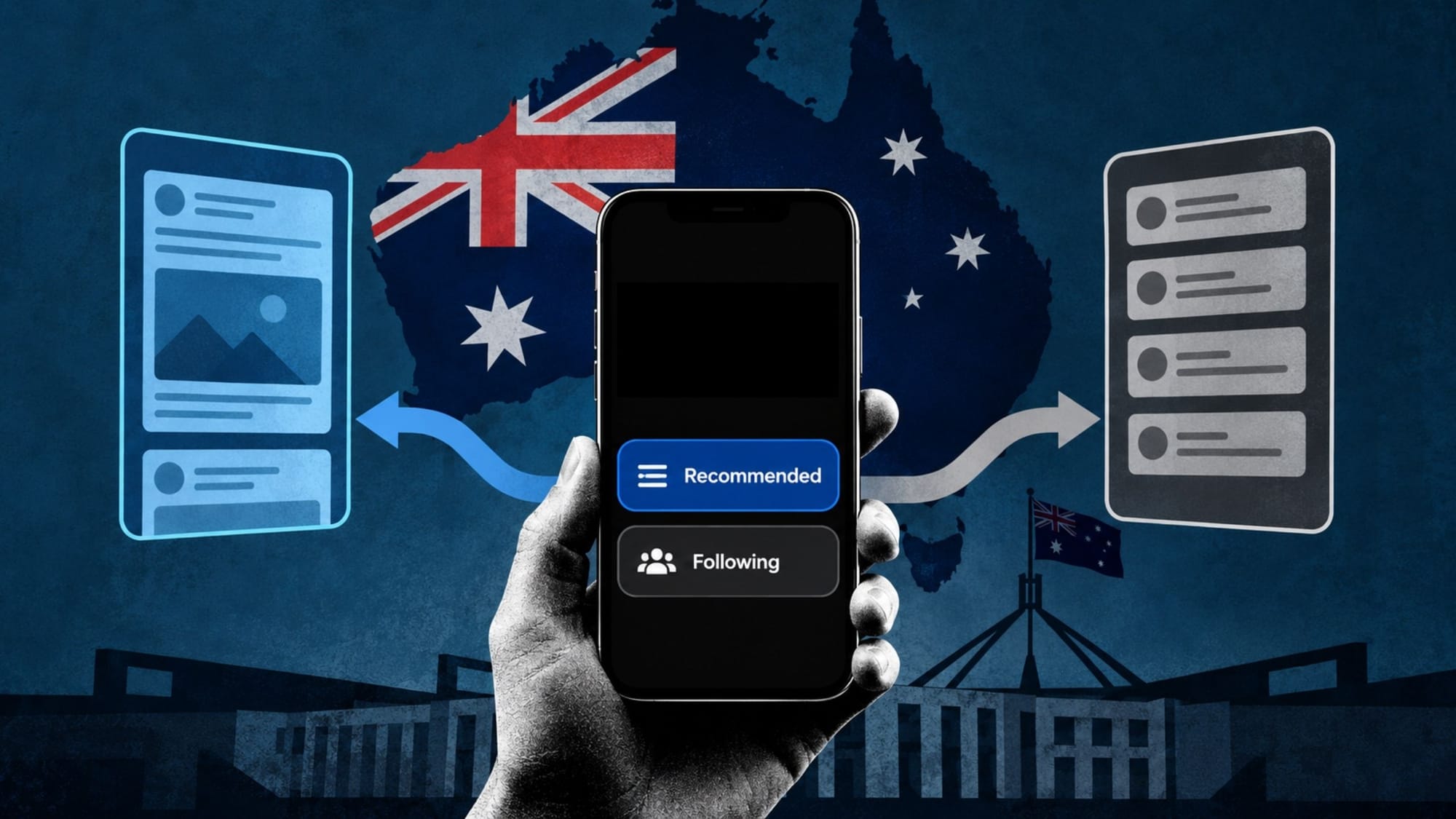
And while the proposal is often referred to as My Feed, My Way, it is not about banning algorithms, but giving new and existing users a choice between feeds based on recommendations, and one that shows posts from accounts they follow.
But beneath this choice, there is a broader change to the Online Safety Act 2021 that would be introduced by the Digital Duty of Care bill, and that is to impose a duty on those behind online services to ensure a safe online environment as far as reasonably practicable.
This duty would apply to a wide range of services, including social media, messaging, games, hosting, search, app stores, internet providers, AI services enabling generated material to be shared through covered services, as well as certain equipment providers.
The minister in charge would be able to exempt services that are low-risk or minimally used. The proposal is designed to protect adults from what is described as seriously harmful material and conduct, while under-18s would have additional protection against harmful content and design features.
The list of harmful content and conduct that the draft seeks to protect adults from includes child sexual abuse, threats of violence, encouragement of self-harm, and support for listed terrorist organizations.
For children, the list includes pornography, encouragement of disordered eating, hostile attitudes towards women or gender equality, glorification of crime, dangerous stunts, abuse and bullying.
However, the minister would have the power to add more categories of harmful material or conduct by issuing a legislative instrument.
Wells must first seek and consider advice from eSafety, and the instrument can be disallowed by Parliament.
The draft bill also targets features that the government considers to have negative behavioral impacts, such as recommendation systems, endless feeds, and engagement-feedback tools, as well as time-limited content. Social media services would be required to stop these features for children under 16.
The proposal also includes a system of risk assessment that online services would have to conduct at least once a year, and keep for six years. These assessments would have to be provided to the eSafety commissioner on request.
eSafety Commissioner Julie Inman Grant, who has a history of censorship demands, would be in charge of enforcing the scheme, which would bring maximum company penalties of A$109.2 million.
The draft bill does contain some safeguards, such as the definition of reasonably practicable, which takes into account the risk, available measures, cost, and the potential for a measure to have a disproportionate effect on privacy.
The duty of care does not extend to lawful communications occurring in private solely between consenting adults, the draft bill states.
Opposition leader Angus Taylor on September 6 said he feared the proposal was “an attempt by the government to censor social media,” while One Nation leader Pauline Hanson said that Australia should be moving away from government censorship, not “building the Orwellian machinery for it.”
The Greens, on the other hand, have supported the idea of making sure users have a choice when it comes to feeds, but they want to make sure that users have to opt in to have their feeds curated by algorithms.
White House spokesman Kush Desai reacted by saying that President Trump “has unequivocally warned trading partners against imposing digital services taxes, fines, and other forms of extortion on America’s leading technology sector.”
Desai added that “the administration remains committed to raising these issues with our trading partners.”
Communications Minister Anika Wells sought to downplay the significance of the White House statement, telling News24 that the US was responding to broader questions that also included Australia’s tax arrangements, and not only the Digital Duty of Care proposal.
“We’re a sovereign nation, we have the right to defend Australian parents and kids and we’ll do that,” Wells said.
The government’s proposal has been portrayed as giving users a choice between personalized recommendation feeds and those that show posts from accounts they follow.