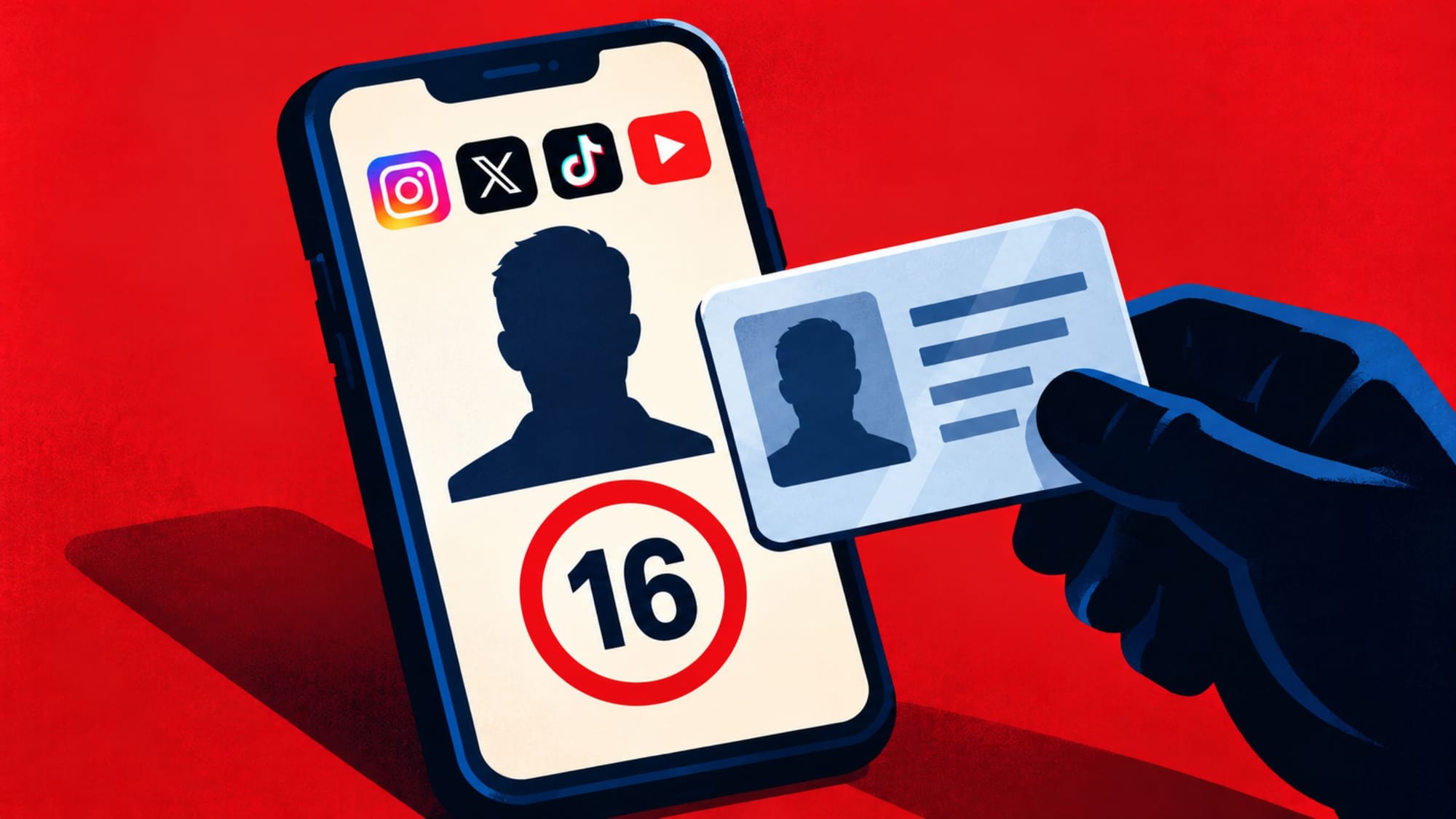
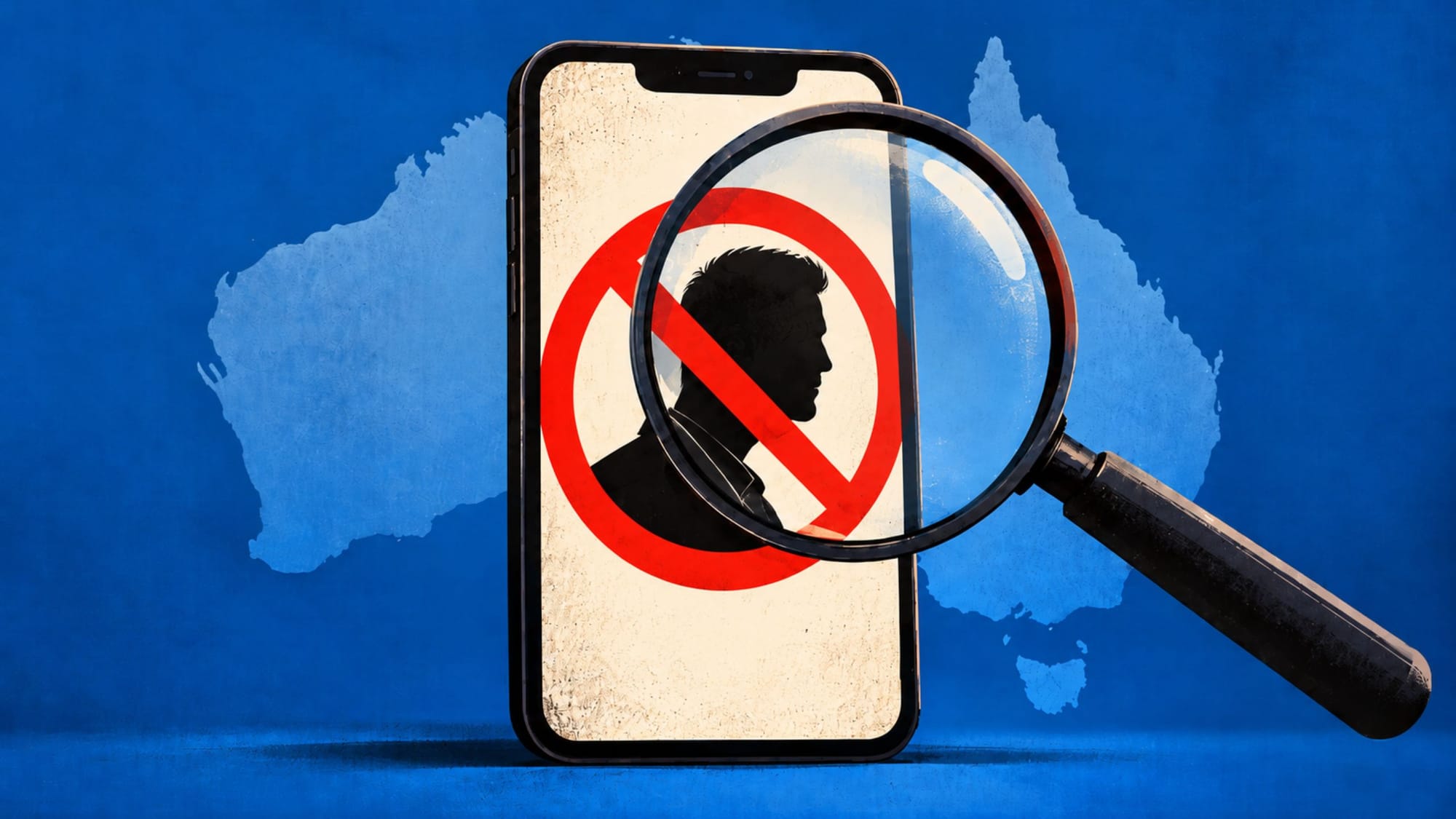
Australia’s government is preparing to sue Facebook, Instagram, TikTok, Snapchat, and YouTube for failing to comply with its ban on under-16s using social media.
The announcement was made by Communications Minister Anika Wells in an interview with Bloomberg published on October 20. The lawsuit is yet to be filed, but Wells said that the eSafety Commissioner, Julie Inman Grant, has new powers to build a case against the five companies.
The investigation into their practices began in March, and Wells now says, “Now she has more powers to be able to gather the evidence that she needs to take those five companies to the Federal Court.”
“She’s now using those powers to prepare her case,” the minister explained.
In a speech to the National Press Club on October 15, Wells had this to say: “The law is not failing – platforms are failing to comply with the law,” adding, “We won’t flinch at holding tech companies to account.”
Meta and eSafety had no immediate comment, while Snap, TikTok, and Google did not reply to Bloomberg.
The eSafety Commissioner is described as an independent regulator, but she answers to parliament through the communications minister, who is Wells.
The ban on under-16s using social media went into force on December 10, 2025, as part of the Online Safety Act. Section 63D of the law says that a platform “must take reasonable steps to prevent age-restricted users having accounts.”
The maximum penalty for breaching this rule started at A$49.5 million; after the ban had been in force for six months, the government doubled it, and it now stands at A$109.2 million (about $76 million).
The law bars platforms from requiring government ID or Digital ID unless they offer “alternative means” that are “reasonable in the circumstances.”
As of September 12, 2026, the eSafety Commissioner has new powers to gather evidence – she can demand information and documents from any person she believes has them, and can summon people to appear before her and “examine the person on oath or affirmation.” If they refuse to answer, the penalty is “Imprisonment for 12 months.”
This means she can even summon current or former employees of the companies under investigation.
When the eSafety Commissioner launched the investigation in March, she said that five investigations were underway, and that 23 notices had been issued to 10 platforms to provide information. At the time, the plan was to “make a decision about any enforcement action by the middle of 2026.”
In a survey of parents, “around 7 in 10 reported that their child still had an account” on Facebook, Instagram, Snapchat, and TikTok.
In March, eSafety said that in order to take enforcement action, it needed evidence that was “more than simply showing that a platform still has some children aged under 16.” The regulator also said that what is considered “reasonable” is “ultimately a question for the courts to determine.”
As for the platforms, they have been reporting their own efforts to comply with the law. In June, the government said that more than 5 million accounts held by under-16s had been removed, deactivated or restricted. Meta alone said it had “removed access to more than 750,000 accounts on Facebook and Instagram in Australia.”
Meta also detailed its “continuing process” of identifying age, that includes using AI to “analyze profiles – including posts, comments, bios and captions – for contextual clues that an account may belong to someone under 16, such as birthday celebrations or mentions of school grades.”
Despite these efforts, the government is now preparing to sue these companies. The lawsuit would not be the only one the Online Safety Act has spawned – Reddit and the Digital Freedom Project went to the High Court to challenge the law, saying it imposes “intrusive and potentially insecure verification processes on adults as well as minors.” The case is due to be heard in November.
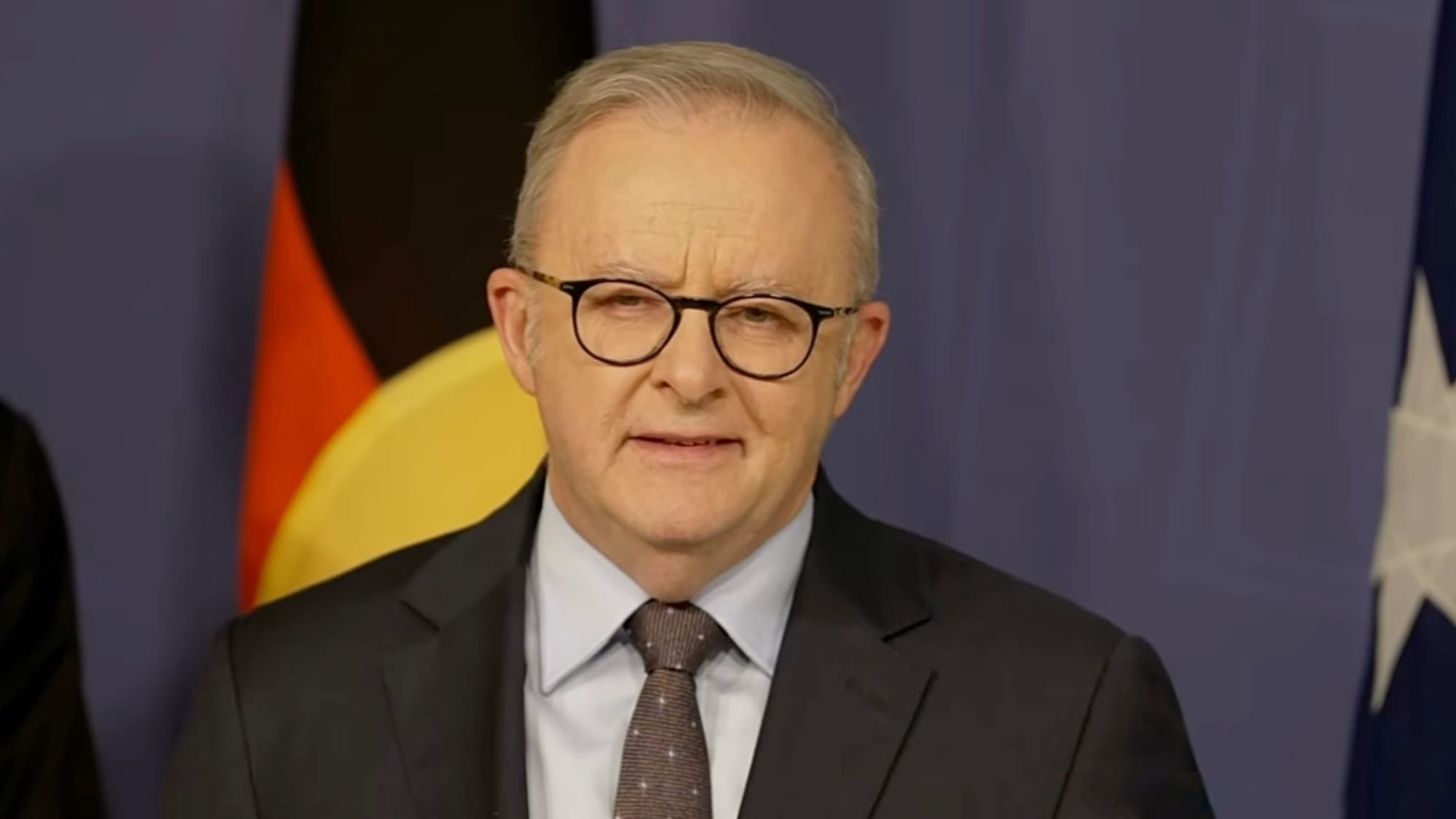
In June, when the fines for non-compliance with the ban were doubled, Prime Minister Anthony Albanese said, “it’s clear big tech are not doing enough to comply with the law – there are still too many children on social media.”
At the time, Wells said, “we are doubling down on our efforts to hold big tech to account.”
Meanwhile, a University of Chicago working paper found that about 73% of 14- and 15-year-olds covered by the ban were still using the banned platforms.
A study published in the British Medical Journal (BMJ) said the ban has had “limited implementation, incomplete compliance, and substantial circumvention of social media restrictions.”
The government doubled the fines six months after the law came into force, when it became obvious that the ban was not being enforced – and now it is going to court to force the platforms to comply.
At no point have the authorities stopped to consider that the law itself may be the problem. The platforms have already built age-checking systems, scanned profiles with AI, and closed millions of accounts – and yet children continue to find ways to use social media.
To better enforce the law, the platforms would have to start checking every Australian user more closely – including adults.