
Topic: Section 69A
Section 69A of India’s IT Act empowers the government to block access to online content, often leading to widespread censorship of platforms like Telegram and X. This law has been used to silence dissent, target journalists, and enforce compliance with government narratives, raising serious concerns about free speech and privacy rights. The implications of such censorship extend beyond individual cases, threatening the integrity of digital communication and expression in India.
-

India Shut Down Telegram for 150 Million Users Over One Exam Leak
For the second year running, India’s answer to a leak at the source is cutting off 150 million people who…
-

India Ordered Reuters Ban, X Says
Reuters vanished from Indian feeds without explanation as X faces mounting government pressure to comply instantly or face criminal charges.
-
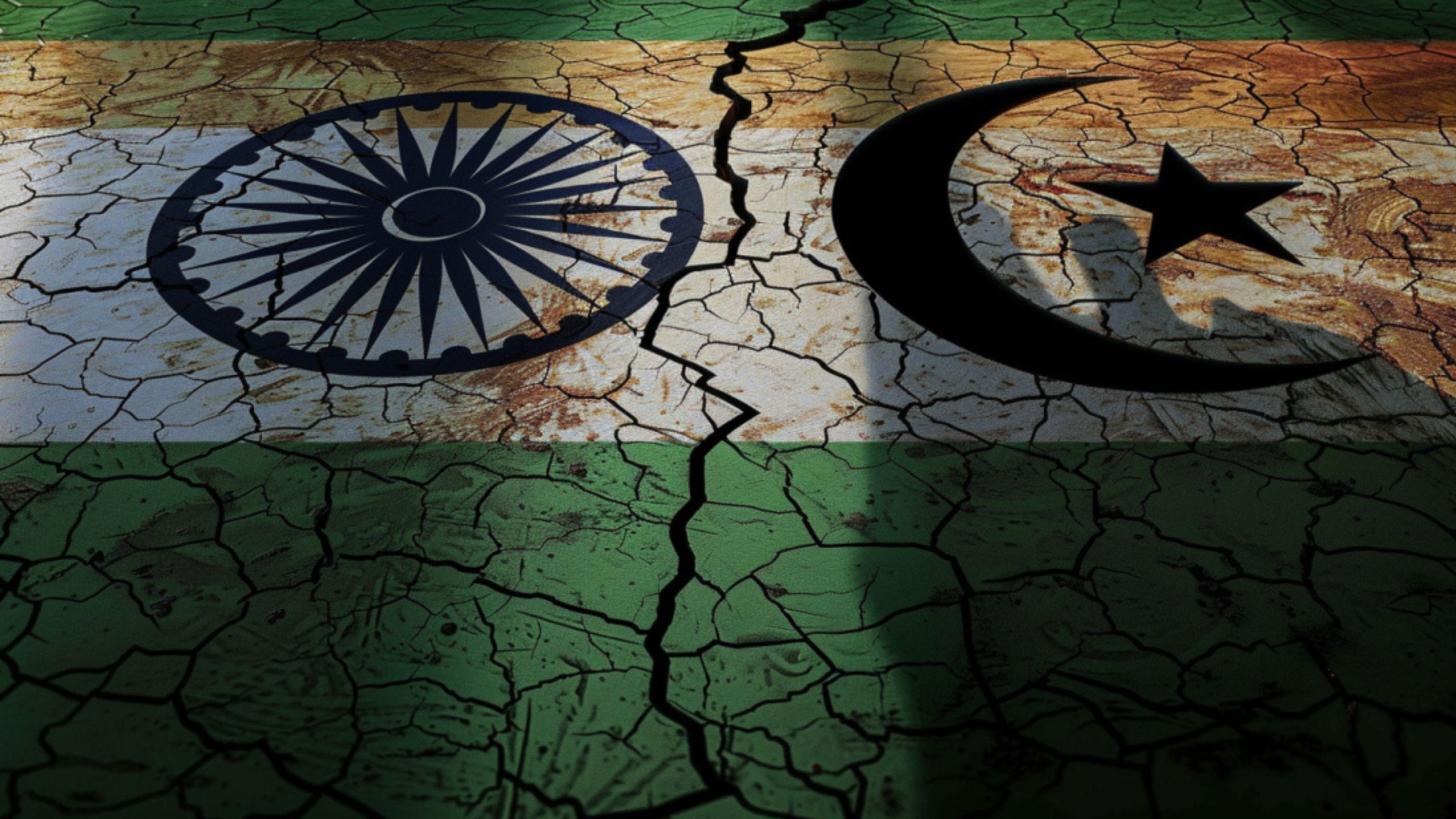
India and Pakistan Escalate Online Censorship Amid Rising Tensions, Targeting Journalists and Media
Online censorship becomes the second front as governments weaponize digital platforms to shape the narrative.
-

X Challenges India’s Censorship Portal Over 130 Orders, Citing Legal Overreach and Bypassed Safeguards
India’s censorship web widens as Sahyog quietly bypasses safeguards built into traditional content takedown laws.
-

Indian Court Rejects X’s Plea Against Mandatory Censorship Portal
X’s courtroom stand becomes a test case for how far international censorship pressure can stretch before it snaps.
-

India to require US social media platforms to abide by government-run fact-checker
Authoritarian speech rules.
-

India gives Twitter days to comply with censorship demands
While Twitter has been censoring for the Indian government, the government wants more.