
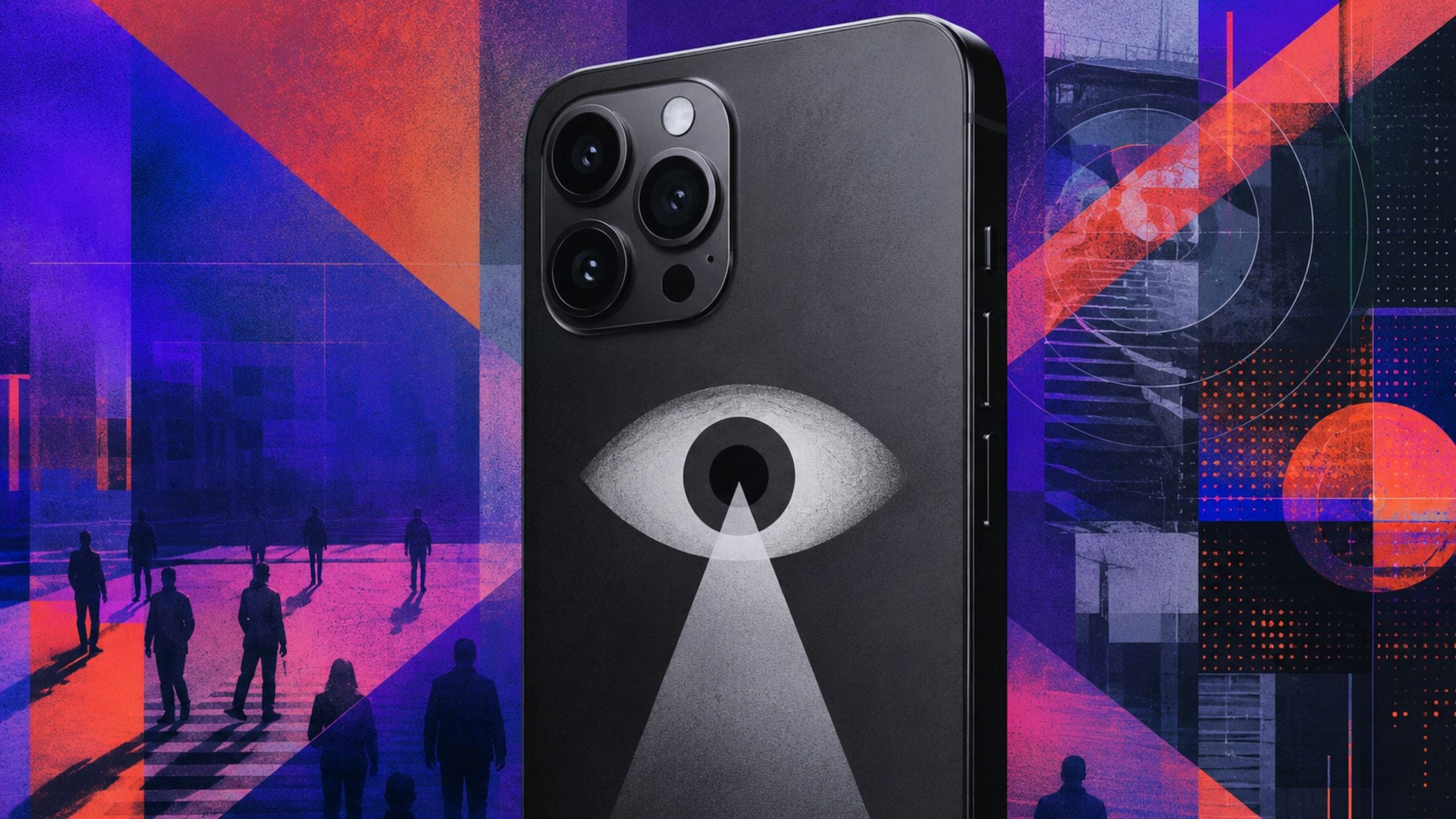
Britain’s Labour government wants image-scanning software on every phone in the country and this last week the government confirmed it will not stop at new devices.
It will reach the old ones, the secondhand ones, and the phone a parent wipes before handing it to a child. During a House of Lords exchange, Conservative peer Lord Markham asked whether teenagers would just dodge it by staying on older software. “What assessment has been made of the risk that younger users will simply remain on old operating systems, and of the practical challenges of implementing these measures across different manufacturers?” he asked.
Baroness Lloyd of Effra, the technology minister, stretched the plan across nearly every device in use. “It applies to both old and new smartphones and tablets, and we expect tech companies to set up controls so that, if a parent hands down a phone, for example, all they have to do is reset it to enact this operating-level facility,” she said.
That commits Apple, Google, and every manufacturer to wiring a scanner into the operating system, then switching it on across phones they sold years ago. To catch one banned photo, the software has to inspect all of them, which posts an automated examiner inside the camera of a device you own outright.
The real damage falls on encryption. Reading an image on your phone before the encryption seals it walks around the protection while leaving the padlock looking untouched.
Home Secretary Shabana Mahmood tried to drain the alarm out of it. “There is no reporting, no data collection, no monitoring, and no images leaving the device. All adults will be able to switch off the protections if they are over 18,” she said.
The promise collapses on its own logic. A scanner that recognizes nude images is a trained model and someone off the device has to keep building it, updating it, and telling it what to flag. The escape hatch is worse. An adult can switch it off only after proving their age to a verification scheme, which means handing over your identity to use a camera you already own.
Tyranny aside, mandating all this on old phones runs into a basic problem the minister’s “reset it” line glosses over. A factory reset restores whatever operating system the phone already runs. It does not install a capability that version never shipped with. Getting the scanner onto an old device means getting a newer OS onto it first, and Apple and Google stop pushing operating-system updates to their devices after a handful of years.
The minister is describing a switch that, on many of the phones she named, has nothing to switch. The hardware compounds it. On-device nudity detection relies on machine-learning models that lean on the dedicated silicon built into recent phones, and older devices lack the neural processing and memory to run that kind of model without wrecking battery life and speed. That is the reason these features ship on new hardware and skip the old stuff in the first place.
The picture gets worse once you leave Apple’s walled garden. Android runs across thousands of models from dozens of manufacturers, plenty of them on forked or abandoned builds that stopped getting security patches years ago, some stripped of Google services entirely. There is no single control the government can reach in and flip across all of them.
The teenagers this policy targets also happen to be the group most able to route around it, whether by flashing a community-built version of Android with no scanner, keeping a phone on old software on purpose, or buying a handset that never had the feature.
A rule that cannot reach most old phones and can be sidestepped on the ones it does reach is an expensive way for the government to show it does not understand technology.