
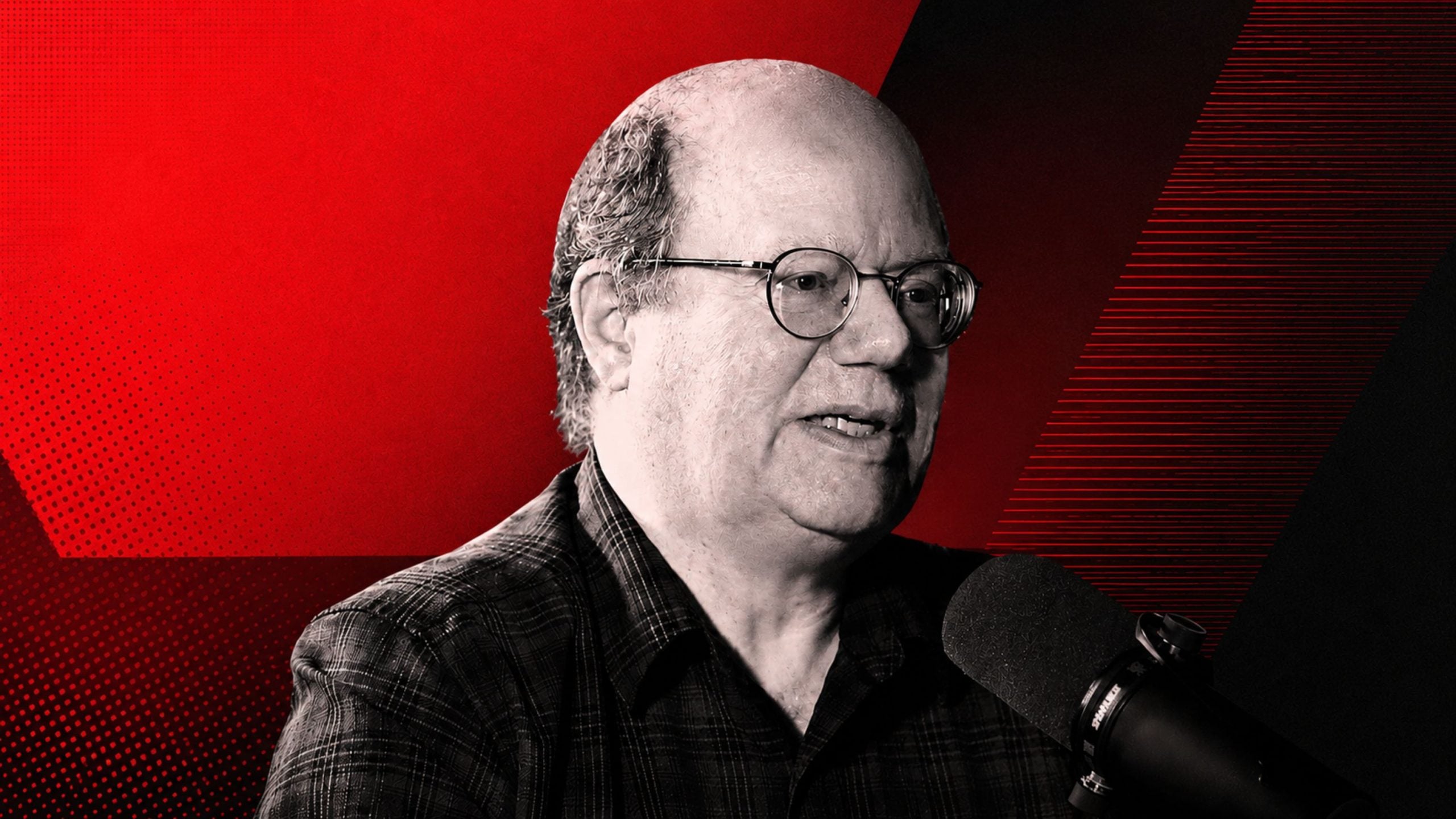
Larry Sanger spent the spring suggesting that Wikipedia could stand to host a wider range of opinions. The community took the suggestion under advisement, deliberated in the open spirit the site loves to advertise, and then banned him for life.
They took his point, apparently. He had argued the place was an ideological monoculture that punishes dissent and a panel of volunteers settled the question by punishing the dissenter.
Sanger cofounded Wikipedia in 2001 and wrote a good chunk of the neutrality rules still bolted to the wall. This week he collected the harshest sanction the project hands out, an indefinite block, upgraded to a permanent ban after he had the nerve to mention the block on X.
There was no appeal and his founder status bought him nothing.
When the editors closed the discussion that ended his run it wasn’t that they concluded that he broke an explicit rule. They certified that Sanger is “not here to constructively build the encyclopedia.”
That is a ruling about the man, pretending to be a ruling about an act. You can fight a specific charge against you with evidence but you can’t fight a reading of your heart because no evidence on earth disproves a feeling.
The committee decided what was rattling around inside Sanger’s head and what was rattling around inside Sanger’s skull turned out to be bannable.
Anyone with real pull on Wikipedia has an agenda, the admins and the power editors included. Sainthood has never been a documented feature of the volunteer base.
If “not really here to build” becomes grounds for exile, the rule stops catching people who have motives and starts catching people whose motives the room has voted to dislike.
The selective eyesight is sitting right out in the open for all to see. One of the accounts that helped run Sanger off, an editor going by TarnishedPath, had already been barred by Wikipedia’s own administrators from the Israel-Palestine topic area over conduct and still got a say in whether the cofounder was pure of heart.
The watchmen, it turns out, are lightly watched. The same community keeps neat little lists ranking which outlets a citation is permitted to come from.
CNN, The New York Times, and the BBC ride up front in the trusted carriage. Fox News, Newsmax, and The Federalist get seated in the marked-down section. Deciding in advance whose journalism is allowed to count, rather than the accuracy of the report and information itself, is the same reflex as deciding in advance whose intentions are allowed to be good. The site does both and files the whole operation under neutrality.
Sanger, for his part, is not charmed by the courtroom. “There is no due process,” he said to the New York Post.
“People are being blocked—in other words, disciplined—and yet there is no respect for certain expectations that any other serious disciplinary procedure would be held to.”
He compared it to a trial by “faceless mob.”
Ban discussions are meant to stay open at least 72 hours. An administrator blocked him before the clock ran out, thought better of it, reversed, then reinstated the ban as permanent the instant the window closed.
Wikipedia is also not a court and its defenders will tell you, correctly, that it never signed up to be one. The bar here is lower than a courtroom.
Anybody with the power to erase a person from a project he founded owes him more than a snap show of hands on whether he seems like their sort and owes a great deal more than that when the accusation boils down to his heart being in the wrong place.