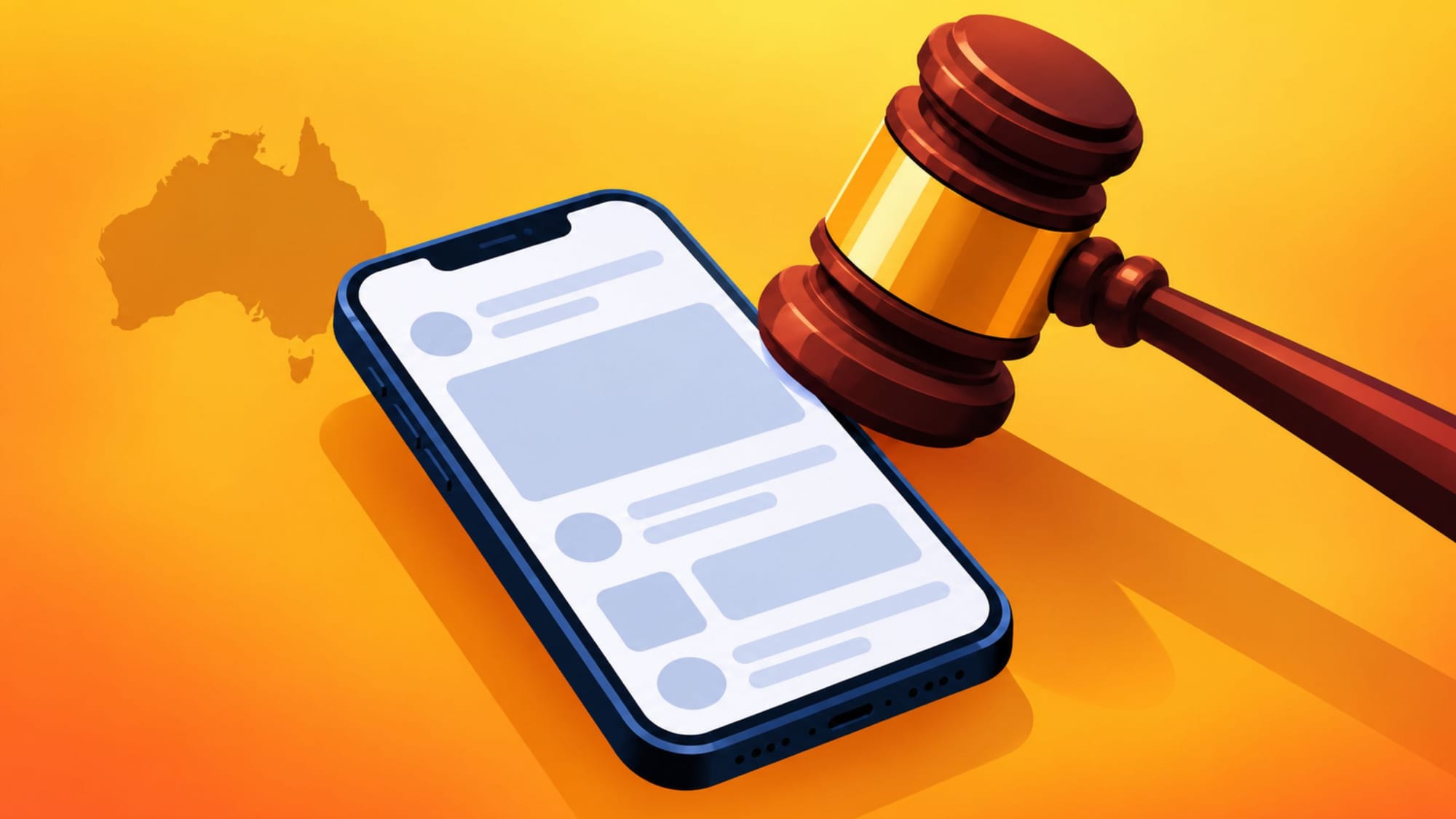
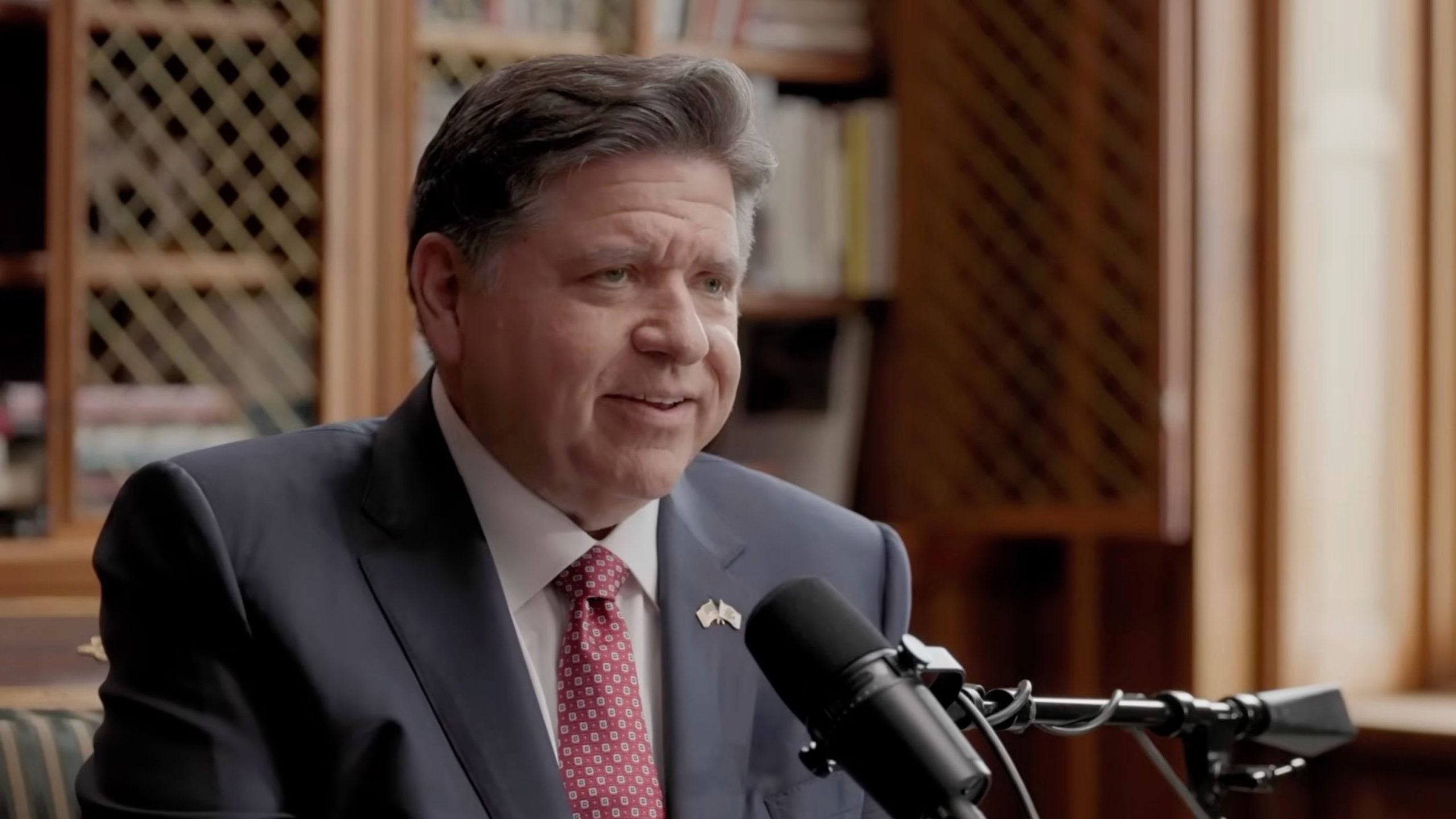
Illinois Gov. JB Pritzker signed a $55.9 billion budget in the last week, with a tax on publishers of the kind the Supreme Court has been striking down for close to ninety years.
The state will now bill companies according to the size of the audience they reach. Planted in 1,600 pages of spending law sits a “social media platform fee,” a monthly charge pegged to “the number of Illinois users from whom the social media platform collects data within a month.” Illinois will charge platforms for hosting speech and, the bigger the audience, the bigger the bill.
We obtained a copy of the bill for you here.
Pritzker expects the levy to bring in roughly $200 million. He told reporters he feels “much more confident about the social media platform fee” surviving court than the budget’s other contested levies on digital ads, crypto, and prediction markets. Lawmakers aren’t even counting on revenue from those. That confidence is misplaced and the governor supplied the reason himself.
Defending the tax, Pritzker said it “requires companies to pay for the mental health and educational degradation they’ve caused.” By the governor’s own account, the state is charging platforms for the effects of the speech they carry.
When a government picks out one class of speakers and bills them for what their speech does to the public, it has created a lever over expression.
Taxing publishers because they are publishers is one of the oldest tools a state has used against the press, going back to the 1765 Stamp Act on pamphlets and newspapers that helped light the fuse for the Revolution.
The Supreme Court has knocked down the modern descendants again and again, voiding a Louisiana levy on large-circulation papers in Grosjean, a Minnesota ink-and-paper tax in Minneapolis Star, and an Arkansas scheme in Ragland that taxed some publications while exempting others.
In 2024’s Moody v. NetChoice, the justices confirmed that platforms curating user content are doing First Amendment-protected work. A state can tax income, it can tax profits, but it cannot build a tax that targets speakers for their speech.
Who gets caught in this depends on how loosely you read “social media platform,” and Illinois reads it very loosely. The charge scales with users, so it bites hardest on services that carry big audiences on thin margins.
Then there’s the question the law never answers. What counts as a “user”? Reddit and similar sites work fine without an account, which leaves it unclear whether a reader counts at all.
Chicago already ran this experiment. The city imposed its own per-user social media tax, and NetChoice sued in March to block it. The state copied the structure and changed the scale. The same constitutional defects came along for the ride.
Pritzker wanted the tax to be read as a bill for harm. He may have drafted the plaintiffs’ opening brief instead. A government that can charge you for the effects of what you publish has already decided it gets to weigh what you publish, and from there it is a short walk to deciding some publishers owe more than others.