
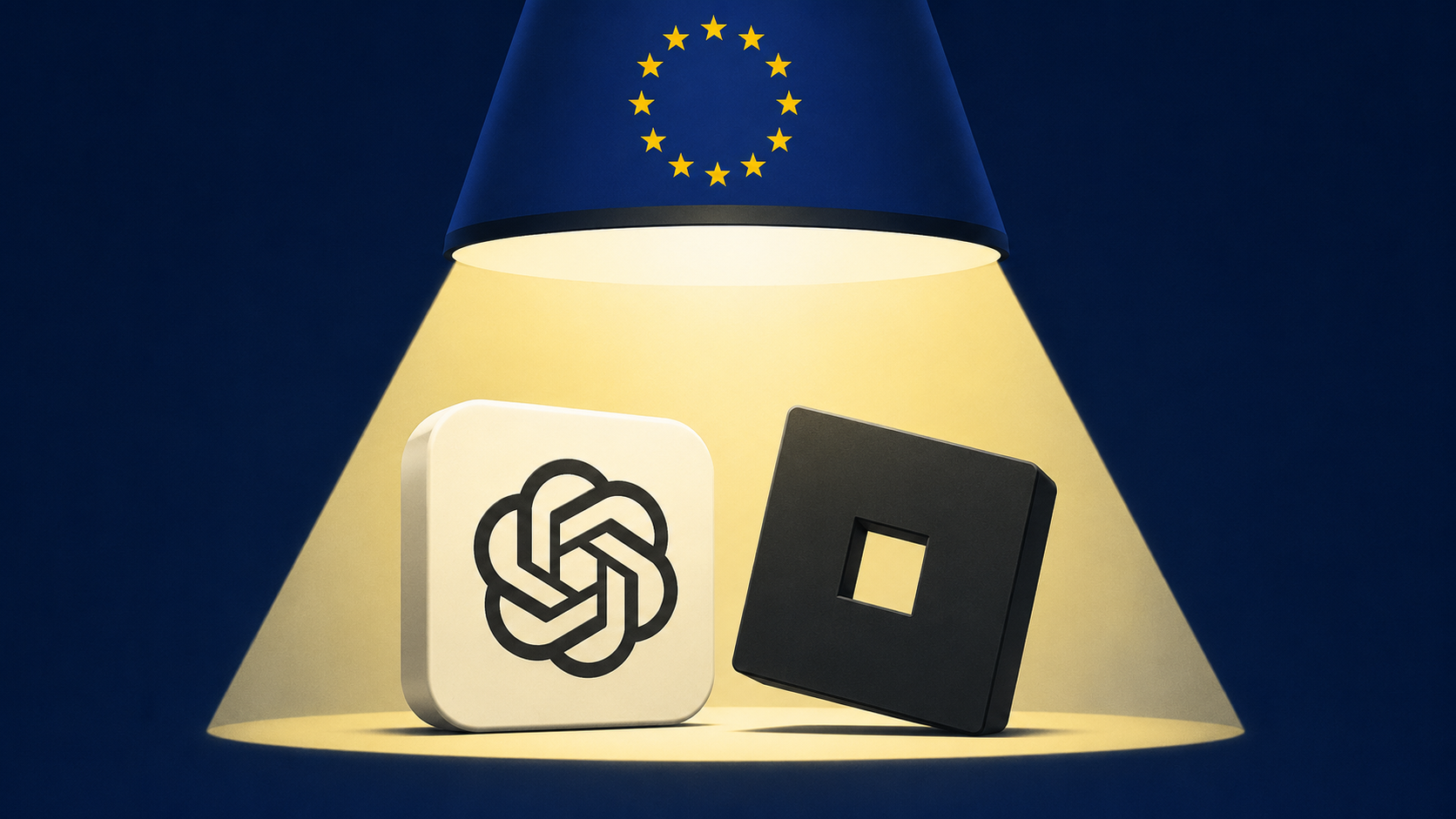
The European Commission plans to designate OpenAI’s ChatGPT and the gaming platform Roblox as a “very large online platform” under its online censorship regulation, the Digital Services Act.
The label is expected as soon as August, Bloomberg reported. Both services reportedly crossed the law’s line of 45 million monthly users in the European Union, the level at which the DSA’s strongest obligations kick in.
That top tier demands the two American companies to file transparency reports with the EU, draw up risk-mitigation plans, submit to an annual independent audit, and pay a yearly fee to the Commission.
Breaking the rules brings penalties of up to 6 percent of annual global revenue, not just a percentage of EU revenue. The DSA also compels American platforms to police content the EU deems harmful.
For Roblox, this would be the first time a gaming platform carries the DSA’s systemic-risk duties, including obligations around the protection of minors.
Robolx has already rolled out tighter controls in recent months.
ChatGPT clears the threshold by a wide margin, with OpenAI’s own data showing ChatGPT search reaching 120.4 million monthly users in the EU over the six months to the end of September 2025. This puts it right in the crosshairs of EU regulators.
Interestly, an OpenAI spokesperson told Euractiv that those published figures count only search use, not the chatbot’s other functions.
How far the designation reaches is still open, and whether large language models fall under the DSA at all is unsettled.
The Commission spokesperson Thomas Regnier told Reuters that officials were still assessing OpenAI’s user numbers and that classifying AI companies under the DSA will be decided on a “case-by-case” basis. Reportedly, the regulator is unsure how to classify ChatGPT, and any decision was expected to wait until at least mid-2026.
Once designated, a platform has four months to comply with the EU’s strictest demands. It must open new channels between regulators and users, monitor users closely so that it can report criminal offenses, hand monitoring data to the Commission and national regulators, and let vetted “researchers” into its systems.
The two companies are joining a regime that has already levied heavy fines. The Commission fined X €120 million last December over “deceptive” design and a lack of transparency, a decision the company appealed.
More than 12 investigations into digital platforms have opened since the censorship law took effect. As of April 1, 2026, the EU counted 21 services as very large platforms or search engines, among them are Amazon, Apple, Google, Meta, Microsoft, and X.
Designation carries a running cost too. A VLOP contributes up to 0.05 percent of its worldwide net income toward the Commission’s supervision, and Brussels collected around €54.8 million in supervisory fees last year.
All of this lands while Washington is already treating EU controls against American tech firms as a trade grievance. After the Commission fined Google €890 million for breaching the Digital Markets Act, President Trump announced a Section 301 investigation into European penalties levied against US companies over the past five years, called the fines illegal and discriminatory, demanded they be reversed, and even floated a substantial tariff that would negate the impact of the fines.
The United States, he wrote, is not a “PIGGYBANK” for Europe. Just days earlier, 25 Republican lawmakers had urged him to aim Section 301 at both the DMA and the DSA, arguing the rules fall mostly on American companies.