Say No to Programmable Money
Stop the Central Bank Digital Currency
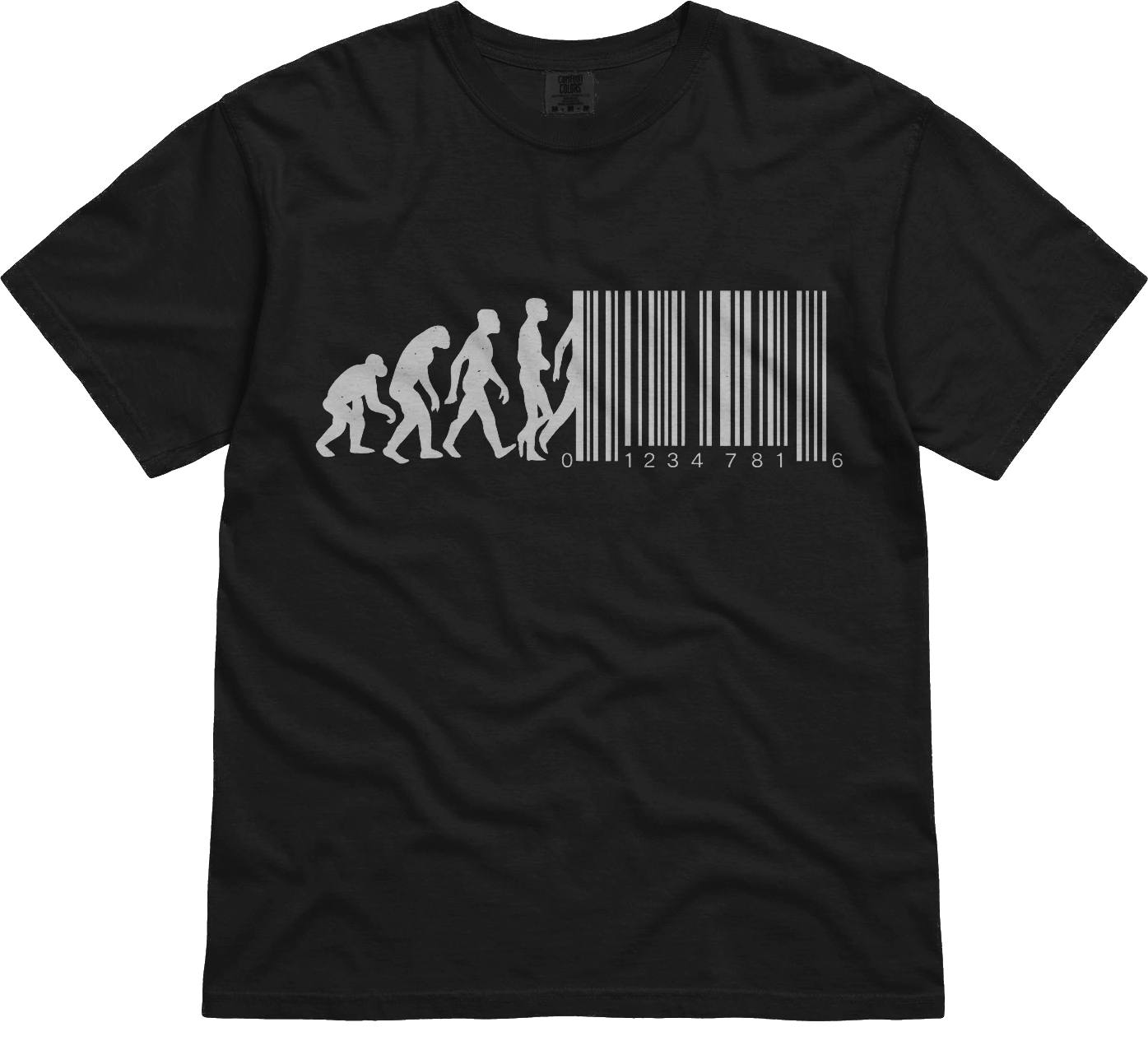
A CBDC is money issued and tracked by the state. Governments present it as modern and convenient. The same system records every payment you make and lets them set rules on how you are allowed to spend.
Join the Movement
Money the government can watch, limit, and switch off is not your money.
01
What Is a CBDC?
A central bank digital currency, or CBDC, is money issued directly by the central bank in digital form. It is not the same as cryptocurrency. Cryptocurrencies are decentralized and hard for any single authority to control, whereas a CBDC is created and run by the state, with every unit able to be tracked and, in most designs, programmed.
The money in your bank account today is a claim on a private bank, and cash is anonymous and works offline. A CBDC is different on both counts. It is a direct liability of the central bank, and it records who paid whom, when, and for what. Supporters describe it as modern, convenient, and good for financial inclusion. A currency the state can see and shape, though, is also one the state can restrict.
02
Programmable Money, Programmable People
The reason a CBDC is different from the card in your pocket is programmability. Because the money is issued and controlled centrally, rules can be attached to it. A CBDC can be set to expire on a date, to be spent only on approved goods, to stop working past a limit, or to lose value if it is not spent quickly enough. China’s e-CNY already runs on smart contracts that release funds only when set conditions are met.
Paired with digital ID, every payment is also tied to a named person. The result is a money system where the state can see what everyone buys and can decide what they are allowed to buy. No government has ever held that much control over ordinary spending.
03
What’s Happening Right Now
Current as of July 2026.
United States Banned, for now
The United States has gone the other way. In January 2025 President Trump signed an executive order banning a Federal Reserve digital dollar, and he has said he will “never allow the creation of a CBDC in America.” The House then passed the Anti-CBDC Surveillance State Act to put that ban into law. In place of a state-run currency the government backed private dollar stablecoins through the GENIUS Act, which keeps money out of the central bank’s hands but does little for your privacy, since those stablecoins are still traceable and carry no protection for financial privacy of the kind cash gives you. Refusing a CBDC shows the system can be turned down, though the ban holds only for as long as it is defended, and it is only a first step.
European Union Advancing
The digital euro is the main live push in the West. The European Commission published its final legal framework on July 11, 2026, and lawmakers aim to adopt it by the end of the year, with a pilot in 2027 and a possible launch in 2029. The design caps what you can hold at 3,000 euros and makes only small payments, under 50 euros, anonymous. Anything larger is tied to your identity for anti-money-laundering checks.
United Kingdom Deciding
The digital pound, nicknamed “Britcoin,” is still in its design phase, with a decision on whether to build it due late in 2026. The Bank of England has floated slowing the project down. Officials promise that privacy will be guaranteed in law, and that neither the Bank nor the government will see your spending or control it. The system would still be built first, and a promise binds only the government that makes it.
China Already live
China runs the world’s largest live central bank digital currency. The e-CNY has grown more than 800 percent since 2023, with over 2.3 trillion dollars in cumulative transactions by late 2025, and in 2026 it is shifting from digital cash to account-based deposit money. The central bank calls its privacy model “controllable anonymity,” which means payments may be hidden from the shop or the person you pay but never from the state, so every transaction sits on a ledger the authorities can read. It already uses smart contracts that release funds only when set conditions are met, giving the issuer a view of spending, and a degree of control over it, that cash and card networks never had. This is what a finished system looks like.
04
It’s Already Happening
The power to cut people off already exists in the banking system, so none of this is hypothetical. It is called debanking, and it has been used against ordinary account holders and public figures alike.
In 2022 the Canadian government froze at least 76 accounts holding around 3.2 million Canadian dollars, all linked to people involved in the Freedom Convoy protests, using emergency powers a court later ruled unconstitutional. In 2023 in the United Kingdom, the private bank Coutts closed the account of Nigel Farage, the British politician who led the Brexit campaign, over his political views, a scandal that cost both NatWest and Coutts their chief executives. In the United States, banks were pressed for years under Operation Choke Point to drop legal but disfavored businesses. In June 2026 the news outlet The Canary said Lloyds had frozen its accounts without explanation.
Every one of those freezes needed a bank to carry it out. A central bank digital currency removes the bank from the middle, so a freeze becomes instant, automatic, and complete.
Once your money is programmable, someone else decides what you are allowed to do with it.
05
Cash Is the Way Out
Cash is the reason a CBDC can still be refused. It is the only form of money that is private, works offline, needs no permission, and cannot be switched off from a central office. As long as cash is legal, accepted, and easy to get hold of, no one can be forced onto a system that watches and controls their spending.
The war on cash and the push for digital currency are the same story told from two ends. Shops that stop taking notes, cash machines that disappear, and rules that cap what you can pay in cash all narrow the way out. Keeping cash alive keeps the choice alive.
06
How to Argue Back
A quick-reference guide for conversations, comment threads, and letters to the people who represent you.
When they say: “It’s just a more modern, convenient way to pay.”
Card networks and payment apps already make paying easy, so a central bank digital currency adds nothing for you that private options do not. What it does add is a direct line from the state to every transaction you make, and the power to attach rules to your money.
When they say: “The rules will protect your privacy.”
A privacy promise is only a policy, and a policy can be changed. The system still records every transaction in a central place, so a pledge not to look is only as strong as the next government or the next emergency. The EU’s “anonymous under 50 euros” and the UK’s “privacy by law” both build the tracking first and then ask you to trust that it will not be used.
When they say: “If you have nothing to hide, you have nothing to fear.”
Financial privacy protects the domestic-abuse survivor moving money to get out, the donor to an unpopular cause, and the worker sending wages home. Debanking has already been used against legal businesses and mainstream politicians. The target is chosen by whoever holds the switch.
When they say: “It will stop crime and fraud.”
These are real problems, but watching the spending of an entire population is the wrong answer, and it creates new risks: one system to breach and one switch to abuse. Targeted, warranted financial investigation catches criminals without putting everyone’s purchases on a single ledger.
When they say: “Cash is dying anyway, so why fight it?”
Cash is being pushed out by policy as much as by choice. It remains the only way to pay that is private, works offline, and needs no permission. Keeping cash legal tender, widely accepted, and easy to withdraw is what keeps a programmable currency something you can still say no to.
What actually protects people:
Cash kept as legal tender and widely accepted, so there is always an off-ramp; a ban in law on programmable spending restrictions and central transaction ledgers; and money that stays a claim you control rather than a permission the state grants and can withdraw.
Take Action
Central bank digital currencies are decided by central banks and lawmakers. Tell the people who represent you to protect cash and reject programmable money.
Contact Your Lawmaker
Reach the people writing these laws. Choose your country and contact your representatives directly.
Email Your Representative
Subject: Oppose a central bank digital currency
Dear [YOUR REPRESENTATIVE],
I am one of your constituents, writing to oppose the introduction of a central bank digital currency.
A currency issued and tracked by the state would record every payment I make and could be programmed to restrict how, where, and when I spend. That is a level of surveillance and control over ordinary life that no government should hold.
Please oppose any central bank digital currency, and protect cash as legal tender and a private way to pay.
Sincerely,
[YOUR NAME]
[YOUR COUNTRY]