Australia's "eSafety" Commissioner has opened the possibility of asking the Federal Court to ban Telegram across the country, as well as pushing the civil penalty proceedings her office filed against the messaging service over the last week.
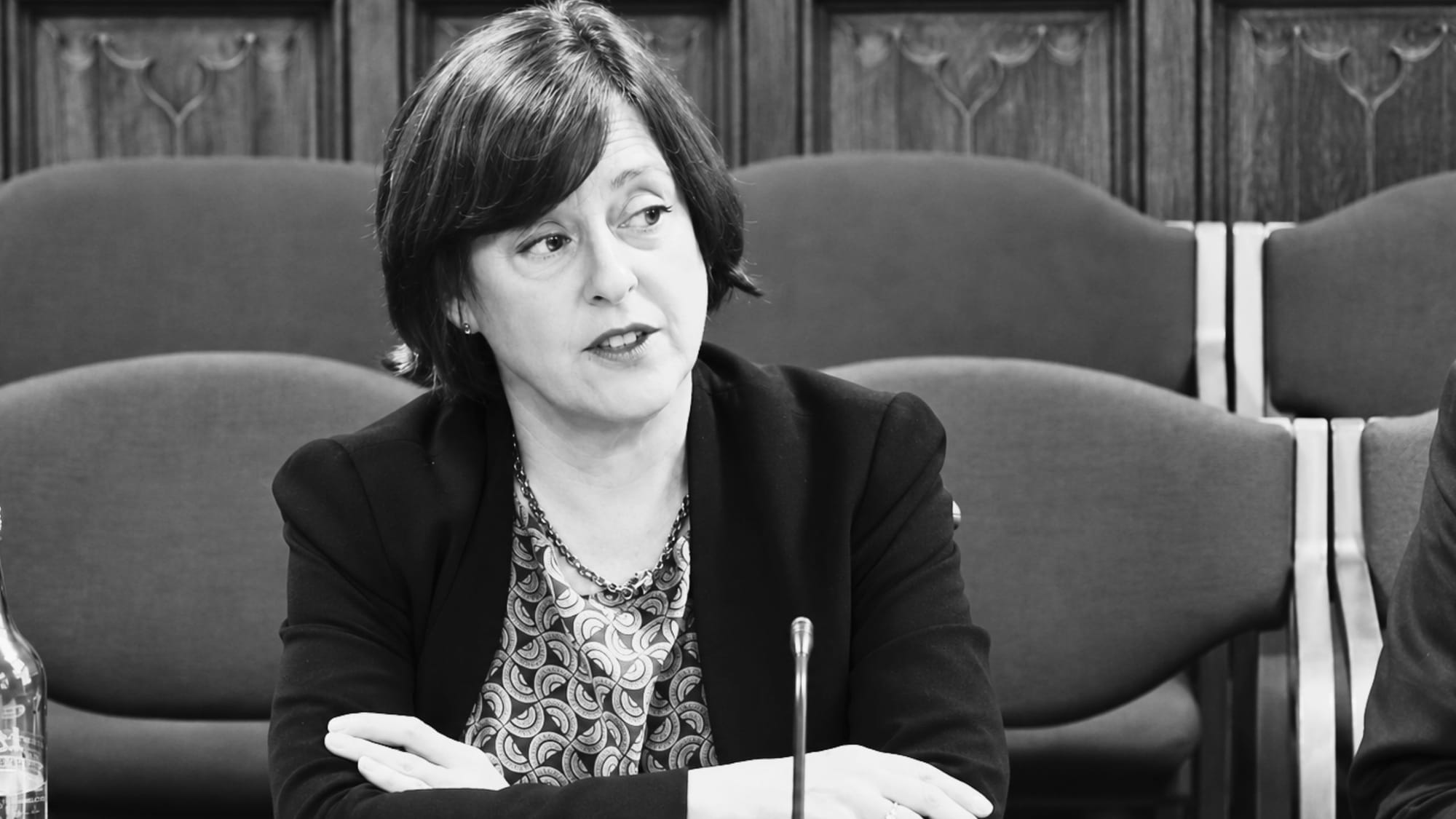
Australia's top censor, Julie Inman Grant, told the BBC that Australia does not license platforms, but "we could apply to the federal court and ask that the service be ceased." "We've never used those powers," she said. "We'll see how this all plays out and whether that kind of action is warranted."
Telegram has more than a billion users worldwide and has both public messaging channels and personal messaging features. eSafety puts. A shutdown order would cut off those visits and the private conversations they carry.
The pro-censorship regulator announced on July 30 that it had begun civil penalty proceedings against Telegram, alleging contraventions of section 146(1) of the Online Safety Act 2021 through failures under the Act's Relevant Electronic Services Standard. A breach carries penalties of up to A$54.6 million, around US$38 million.
According to the court filing, Australian users complained to Telegram about twelve posts containing pro-terror content between July and October 2025.
eSafety said that Telegram only removed two, leaving ten accounts remaining, along with the accounts behind them, with some material accessible for as long as three weeks.
The regulator also alleged Telegram failed to detect the livestreamed 2019 Christchurch mosque shooting and footage of the May 2022 Buffalo supermarket attack, which it says stayed on the service for nearly three months.
eSafety further alleges that Telegram failed to prevent distribution of the material. The filing also says the company did not maintain terms of service prohibiting pro-terror content on all parts of the platform and did not tell complainants what came of their reports.
"This case concerns content linked to some of the most notorious acts of known extremist violence in recent history," Inman Grant said.
The regulator rejected industry codes for messaging and internet services in 2023, citing a failure to commit to proactive detection of material unlawful in Australia. Then it drafted its own. The Relevant Electronic Services Standard was registered on June 21, 2024 and took effect in December, 2024. It covers messaging, email, dating apps, and online gaming services and requires providers to prevent, detect, deter and disrupt material that fails to reach the standard set by the regulator.
Telegram can host groups of up to 200,000 users and public channels with no subscriber ceiling. It also carries one-to-one chats, including an encrypted chat option, making Australia's demands to monitor and detect material across a service built that way would reach the private side as well as the public one.
eSafety, which has made several erroneous points about end-to-end encryption in the past, still maintains that the requirements do not require companies to break end-to-end encryption. Its 2023 position statement on encryption described a situation in which a message leaving a user's device is checked by a dedicated server before it reaches the recipient. That's what is known as "Chat Control" in the EU and still involves a third party reading the message. Encryption explicitly exists to prevent third parties from reading messages.
Telegram said it will fight the case. "Telegram's extensive anti-terrorism efforts are well documented," a spokesperson said. "We reject these allegations and will contest them in court." The company said it blocked 153,085 terrorist-related communities in 2026, that its moderators removed 200 million pieces of content, and that it works with the Global Center for Combating Extremist Ideology.