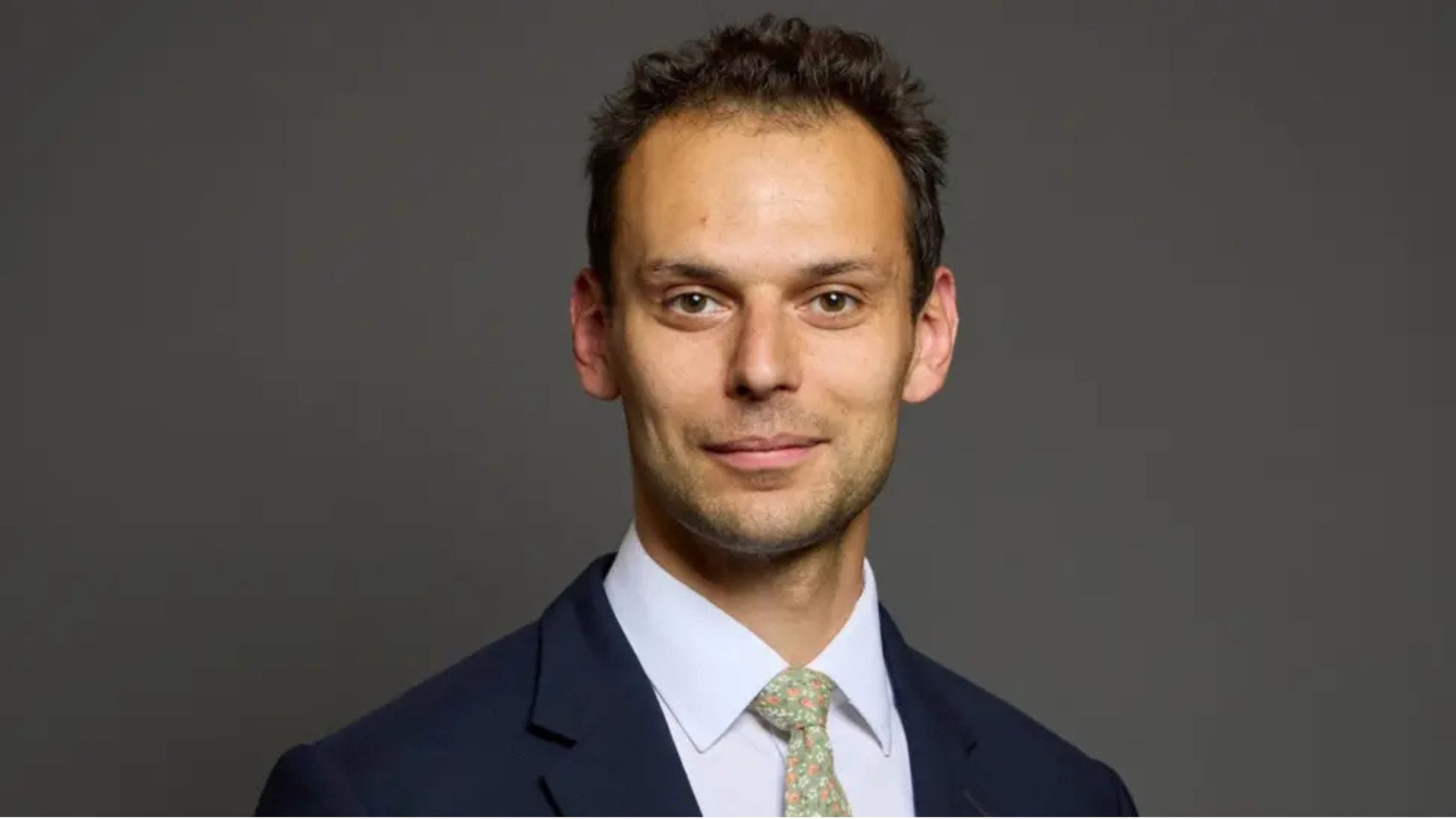

A UK Labour Minister Just Resigned Over a Secret Plot to Silence Journalists Using a Spy Agency
Simons was accused of running a thinktank dedicated to fighting “disinformation,” then used a government intelligence body to spread it.

Simons was accused of running a thinktank dedicated to fighting “disinformation,” then used a government intelligence body to spread it.

A power shift from courts to bureaucrats.

Wong’s prosecution marks a new frontier for Hong Kong’s national security law, where online reporting can easily be criminal.

A judge’s demand for chat logs has turned discovery into surveillance, exposing how fragile digital intimacy really is.

Macron’s seal of reliability may prove less about journalism and more about obedience.

A cozy corner for writers is turning into a TSA line for ideas.

The proposal would make Israel’s emergency media law permanent, granting the government power to shut outlets and block online content without court approval.

The regulator’s refusal to hand over data highlights how a surveillance system built to monitor online speech now doubles as a barrier to public accountability.

The skeleton of Bill C-36 has returned, dressed in new language but haunted by the same instincts.

The decision cements a high bar for public figures trying to fight back against media characterization.

ACMA’s push to revive fact-checking ties signals growing state pressure on tech platforms.

Tech giants and civil liberties groups are urging the Court to reject a ruling that weaponizes copyright law against everyday internet users.

If modifying a site’s display is ruled illegal, privacy features could face sweeping legal pushback.

A shield for reporters on paper, it hands governments the pen to rewrite the rules.

Her exit over political posts closes a case that exposed Disney’s uneven rules for the stars of its biggest franchises.

Digital ownership means trusting a gatekeeper who never promised to keep the gate open.

The court’s sweeping order effectively censors any trace of Bolsonaro’s voice, even through third parties, signaling a major step in judicial control over public discourse.

A secret court order muzzled the press while the state quietly rewrote reality.

The DOJ treats coordinated viewpoint suppression as a market distortion that undermines democratic access to diverse information.

The study targets digital news and social platforms just as alternative media reshapes political discourse.

A new UN task force aims to quarantine dissent that complicates its 2030 Agenda.

Reuters vanished from Indian feeds without explanation as X faces mounting government pressure to comply instantly or face criminal charges.

A $30 million experiment in algorithmic “truth”-telling ends in a quiet asset sale.

Independent Publishers Alliance files EU antitrust complaint alleging Google AI Overviews harm traffic, ad revenue, and original journalism visibility.

Simons was accused of running a thinktank dedicated to fighting “disinformation,” then used a government intelligence body to spread it.

A power shift from courts to bureaucrats.

Wong’s prosecution marks a new frontier for Hong Kong’s national security law, where online reporting can easily be criminal.

A judge’s demand for chat logs has turned discovery into surveillance, exposing how fragile digital intimacy really is.

Macron’s seal of reliability may prove less about journalism and more about obedience.

A cozy corner for writers is turning into a TSA line for ideas.

The proposal would make Israel’s emergency media law permanent, granting the government power to shut outlets and block online content without court approval.

The regulator’s refusal to hand over data highlights how a surveillance system built to monitor online speech now doubles as a barrier to public accountability.

The skeleton of Bill C-36 has returned, dressed in new language but haunted by the same instincts.

The decision cements a high bar for public figures trying to fight back against media characterization.

ACMA’s push to revive fact-checking ties signals growing state pressure on tech platforms.

Tech giants and civil liberties groups are urging the Court to reject a ruling that weaponizes copyright law against everyday internet users.

If modifying a site’s display is ruled illegal, privacy features could face sweeping legal pushback.

A shield for reporters on paper, it hands governments the pen to rewrite the rules.

Her exit over political posts closes a case that exposed Disney’s uneven rules for the stars of its biggest franchises.

Digital ownership means trusting a gatekeeper who never promised to keep the gate open.

The court’s sweeping order effectively censors any trace of Bolsonaro’s voice, even through third parties, signaling a major step in judicial control over public discourse.

A secret court order muzzled the press while the state quietly rewrote reality.

The DOJ treats coordinated viewpoint suppression as a market distortion that undermines democratic access to diverse information.

The study targets digital news and social platforms just as alternative media reshapes political discourse.

A new UN task force aims to quarantine dissent that complicates its 2030 Agenda.

Reuters vanished from Indian feeds without explanation as X faces mounting government pressure to comply instantly or face criminal charges.

A $30 million experiment in algorithmic “truth”-telling ends in a quiet asset sale.

Independent Publishers Alliance files EU antitrust complaint alleging Google AI Overviews harm traffic, ad revenue, and original journalism visibility.