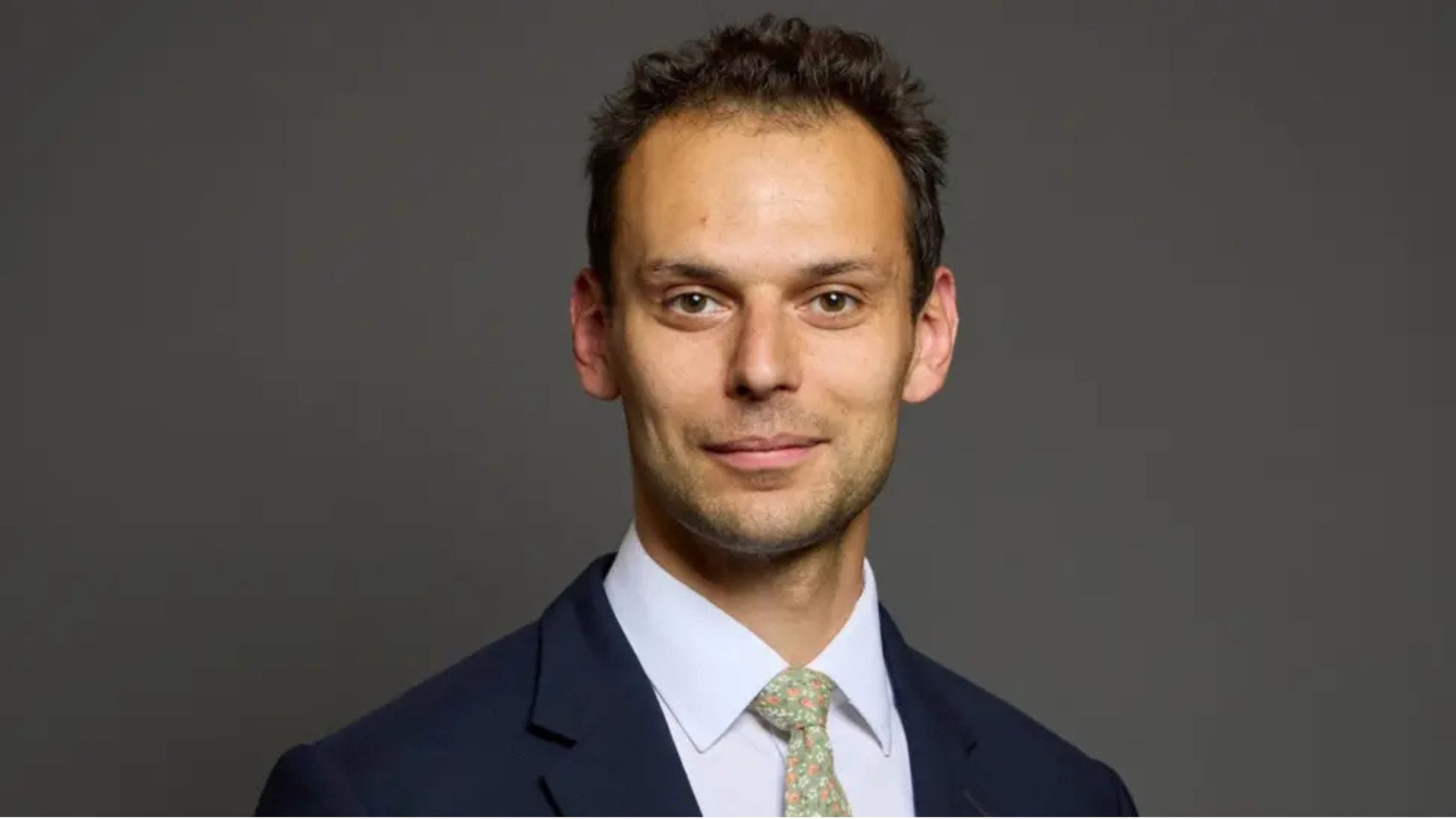
In England, Member of Parliament Josh Simons, who was working on the government’s controversial digital ID initiative, resigned from the Cabinet Office on Saturday after the Guardian revealed he had personally emailed GCHQ’s National Cyber Security Centre to link journalists investigating his thinktank to a Russian disinformation campaign. The same journalists he later claimed to know nothing about.
Simons had commissioned and reviewed a report by lobbying agency APCO on reporters looking into Labour Together’s undisclosed political donations.
When the Sunday Times revealed APCO’s report included baseless allegations about journalist Gabriel Pogrund’s faith, upbringing, and personal relationships, Simons said he was “surprised and shocked to read the report extended beyond the contract by including unnecessary information” on Pogrund. That statement was issued publicly. The emails to NCSC had already been sent.
Those emails named Pogrund and his Times colleague Harry Yorke, and suggested their reporting could be connected to a Russian disinformation campaign.
The mechanism Labour Together and APCO built was a silencing operation with an intelligence agency as the delivery vehicle. By routing a privately commissioned dossier to the National Cyber Security Centre, part of GCHQ, and briefing friendly reporters that named journalists were under investigation for receiving hacked materials or links to Russian intelligence, the operation created a threat designed to make reporters think twice before publishing.
Freelance journalist Paul Holden described exactly how it played out in his case: “So [Labour Together] apparently took this dodgy dossier that APCO had written on me, and gave it to the National Cybersecurity Reporting Centre, and basically said, ‘We think that Paul Holden has received illegal hacks from Russia or China of the Electoral Commission, and we demand that it be investigated.’ And then they briefed that to the Guardian, and the Guardian tried to run a story on me. I said, ‘What on earth are you talking about? This is absolutely insane…’ They eventually backed off.”
Kit Klarenberg of The Grayzone, separately targeted by the same tactic, identified it plainly: “It’s a complete fraud used to silence critical reporting.” A journalist who knows their name has been fed to an intelligence body alongside Russian-links allegations, however fabricated, faces a calculation that has nothing to do with whether the allegations are true. No conviction required. No formal investigation needed. The referral itself does the work. Reporters fear official trouble and drop their stories before anyone in authority has to ask them to.
Simons and his chief of staff also sent a truncated version of the APCO report to NCSC officials and claimed that Holden, who had separately investigated Labour Together, could be linked to “people known to be operating in a pro-Kremlin propaganda network with links to Russian intelligence.”
There is no credible evidence that any of the three journalists had any involvement in a pro-Russian campaign. What they had in common was that they were all investigating Labour Together’s funding.
Reporting on a thinktank’s undisclosed donations is journalism. The response from the people being investigated was to commission a dossier on the reporters and then route it, with allegations of Kremlin links, to a government intelligence body. The chilling effect of that move is the point.
Journalists who know their work might trigger a security referral start thinking carefully about what they publish and who they call. That’s the most effective form of speech suppression because it doesn’t require anyone to be formally silenced.
The story behind the Labour Together/APCO scandal stretches back to 2023, when a series of “UK Files” exposés published on Racket News began documenting the operations of the Center for Countering Digital Hate, a group with deep roots in Labour Party politics.
CCDH grew out of Stop Funding Fake News, launched in 2019 by Imran Ahmed, who had worked in various Labour-adjacent roles. Holden, a veteran investigator at Shadow World Investigations, had been researching CCDH for a book that would eventually be published as The Fraud: Keir Starmer, Morgan McSweeney, and the Crisis of British Democracy. The “UK Files” documented a consistent pattern of Ahmed, SFFN, and eventually CCDH manufacturing public controversies to attack the Corbynite wing of Labour and its allies.
The documents that triggered the APCO investigation had originally been obtained by Al-Jazeera.
One showed CCDH had provided incorrect information to the IRS “in its application to receive tax-exempt 501(c)(3) status.” A November 2023 Holden piece on that IRS issue is believed by sources close to the probe to have been at least as consequential as the Racket News piece in prompting Labour Together to commission APCO.
What APCO was actually contracted to do goes well beyond the “security probe” framing Labour figures have since applied to it. The leaked contract shows APCO was tasked with identifying the sources behind reporting on Labour Together, and also with an offensive mission: to “provide a body of evidence that could be packaged up for use in the media to create narratives that would proactively undermine any future attacks on Labour Together.” As Holden put it: “It’s basically, we’re planning to go and give you stuff that you can use to go after the journalists.”
The thinktank at the center of this, Labour Together, had been run by Josh Simons before he became a Labour MP and then a Cabinet Office minister.
The same organization that positioned itself as a defender against misinformation and fake news was, according to Holden, now generating disinformation of its own. “One of the things that still blows my mind is that you and I were looking into an organization that claimed to be policing fake news and misinformation. And now they’re creating disinformation,” he said.