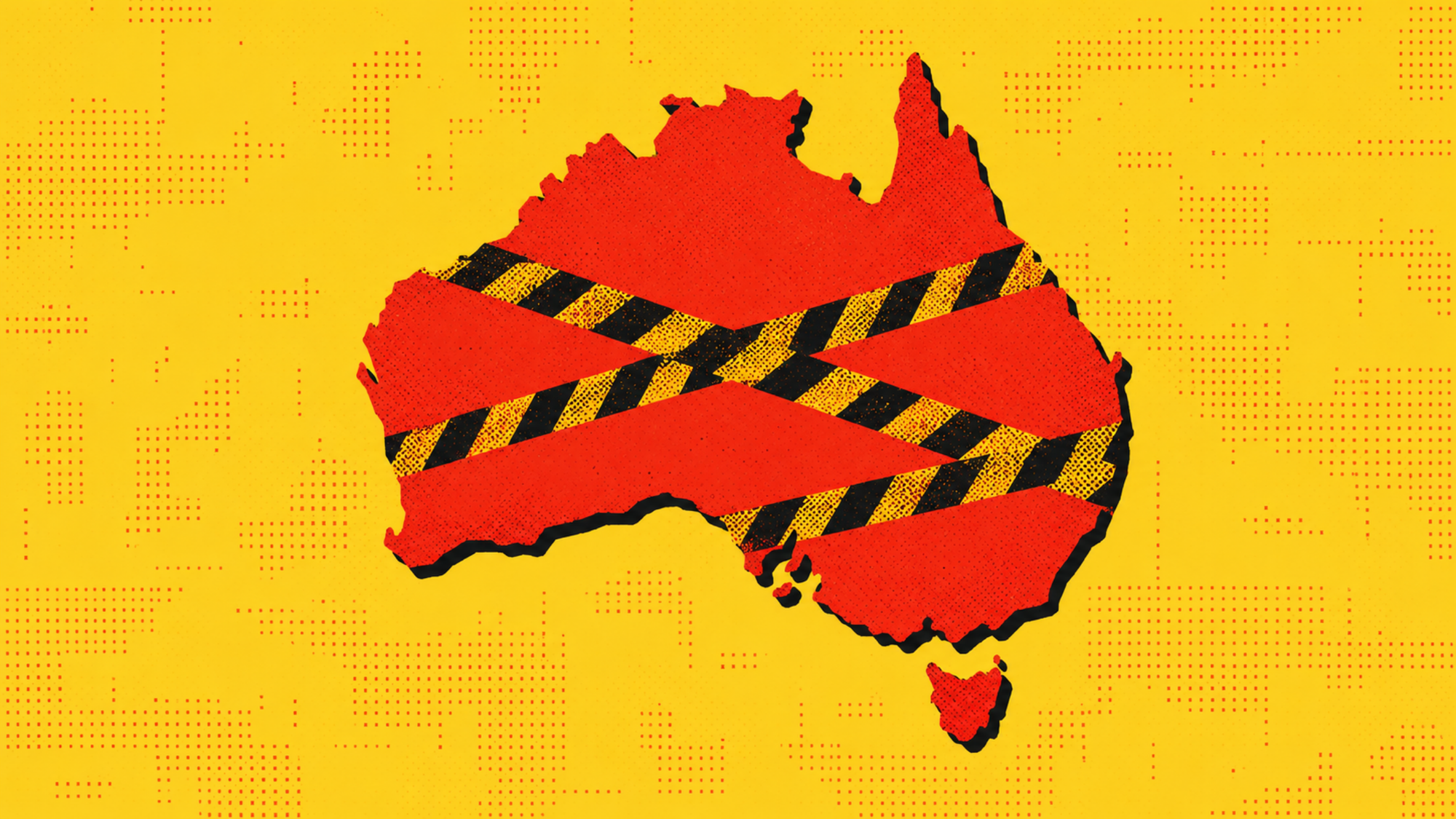
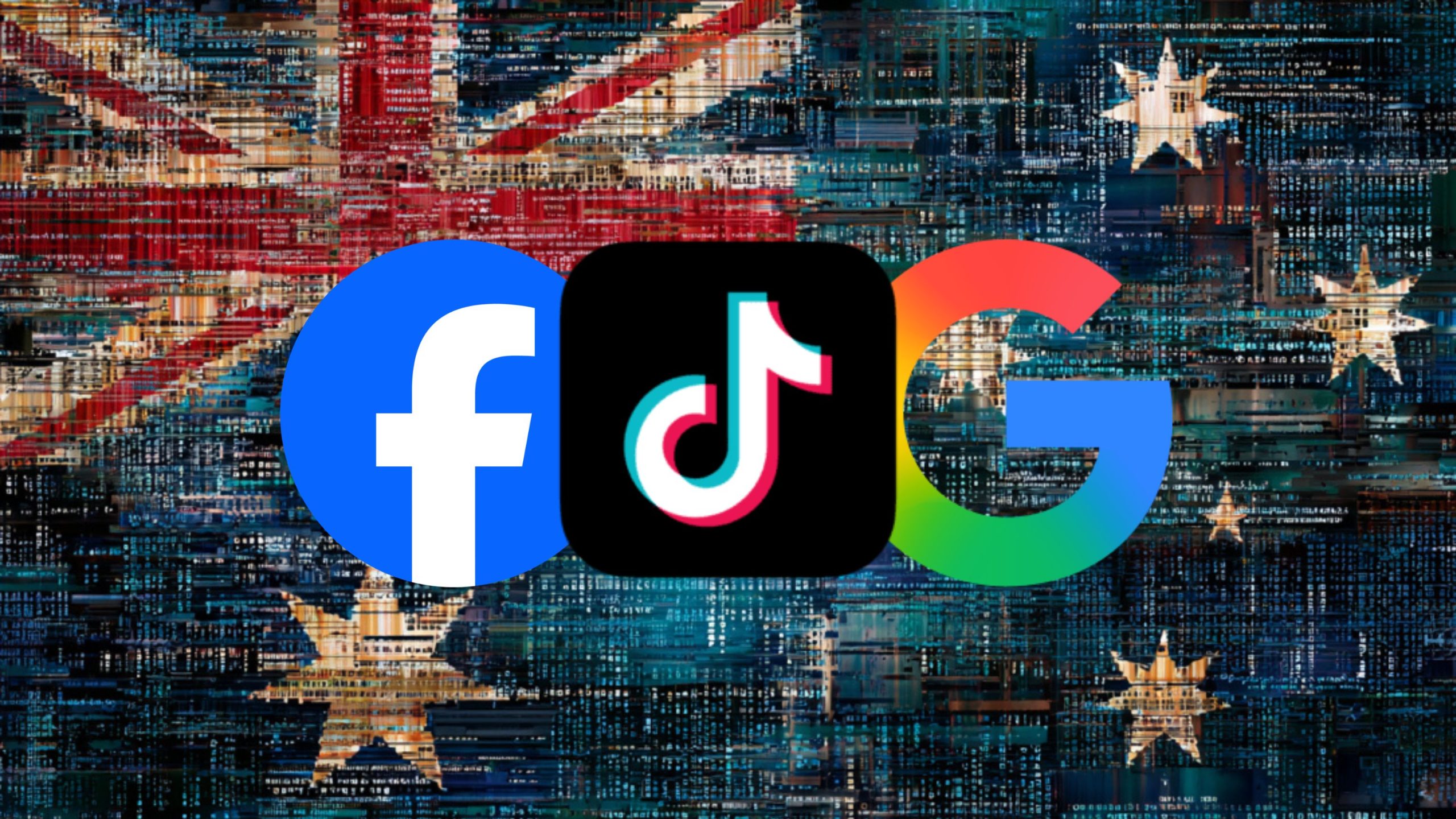
The Australian government wants to take 2.25% of Meta, Google, and TikTok’s local revenue and hand it to legacy news publishers. The platforms can avoid the bill by signing commercial deals with those same publishers. Either way, money moves from the companies people actually use to read and share information, into the bank accounts of the established media class.
The draft legislation is called the News Bargaining Incentive. The word “incentive” is an odd choice. A levy you can only escape by paying a private third party is a tax with extra steps, and the third party has been chosen for you. Australian Community Media, Nine Entertainment, News Corp Australia, and the public broadcaster ABC sit at the front of the queue.
Communications Minister Anika Wells announced the plan in Sydney on Tuesday. “People are increasingly getting their news directly from Facebook, from TikTok and from Google, and we believe it’s only fair that large digital platforms contribute to the hard work of journalism that enriches their feeds and that drives their revenue,” she said.
The idea treats the act of users sharing links as a form of theft from publishers, rather than what it actually is, which is people choosing to talk about the news on the platforms where they spend their time.
Wells laid out the program. “The News Media Bargaining Incentive means that if a platform doesn’t do a deal with a news publisher, the money will come to us and we will deliver that funding to news organisations based on how many journalists they employ.”
Pay the publishers directly, or pay the government and let the government pay the publishers. The platforms get a discount the more deals they sign, with bigger offsets for arrangements with smaller outlets. The effective rate can drop as low as 1.5% if enough agreements are reached, raising an estimated A$200 million to A$250 million for Australian journalism.
Funding allocated by journalist headcount measures payroll size and nothing else. The bigger the newsroom, the bigger the slice. Nine Entertainment, News Corp Australia, the ABC, and Australian Community Media employ thousands of journalists between them.
A two-person investigative outlet that breaks a story those organizations missed gets nothing close to proportional reward. The metric rewards bureaucratic mass. A newsroom of 200 underused subeditors collects more than a newsroom of five reporters who actually move stories. Independent journalists, small digital outlets, substackers, citizen reporters, and freelancer-driven publications are mathematically disadvantaged from the moment the formula is written.
The companies caught by this are the ones with more than A$250 million in Australian revenue and a “significant” social or search service. That definition was clearly written with three names in mind. Meta, Google, and TikTok. Artificial intelligence platforms are excluded entirely, which is a curious carve-out given that AI services are the fastest-growing way people now find information. The government says AI will be handled separately. The practical effect is that the law targets the platforms where ordinary users post, share, and argue about the news of the day.
The threshold also locks competition out. No smaller platform can grow large enough to challenge Meta, Google or TikTok without becoming subject to the same charge. The law privileges incumbency on both sides of the transaction. Big platforms pay big publishers. Anyone smaller, on either side, is shut out by design.
The supposed problem is that platforms profit from journalism. The chosen solution is to tax the platforms where the public talks about journalism and route the money to the publishers whose content the public is talking about. The transaction has nothing to do with users, who lose either way. Either the platforms absorb the cost and pass it on through reduced services, or, as has happened before, they decide news is not worth the regulatory price and stop carrying it.
Australia has been here. The 2021 News Media Bargaining Code was the first attempt, and it already produced concentrated outcomes. The deals struck under that regime delivered hundreds of millions of dollars, primarily to News Corp, Nine and the ABC. Smaller publishers received fragments. Some received nothing.
Meta walked away from the arrangement in 2024, claiming users were not interested in news. The government now says the old rules were “no longer working effectively.” The honest reading is that platforms looked at the deal, decided news content was not worth the trouble, and left. The new law has been engineered to remove that exit. Pay either way. There is no opt-out by hosting less news, because the levy applies whether news appears on the platform or not.
A Meta spokesperson made this point: “This proposed legislation, which would apply to platforms regardless of whether news content even appears on our services, is nothing more than a digital services tax.” Meta also called the structure a “news industry dependent on a government-administered subsidy scheme.”
The legacy publishers are openly delighted. A joint statement signed by executives from Nine, the ABC, News Corp Australia and Australian Community Media called the draft law a “critical step toward securing the future of Australian news.”
That is the legacy media celebrating a tax structure custom-built to fund the legacy media. The same statement added that “while Google has been positive about doing deals, others need to come to the table, and all platforms need to step up.” The expectation is that platforms have an obligation to fund the publishers. Not to compete with them, not to displace them, not to allow their decline if audiences prefer alternatives; to fund them. That expectation has now been written into law.