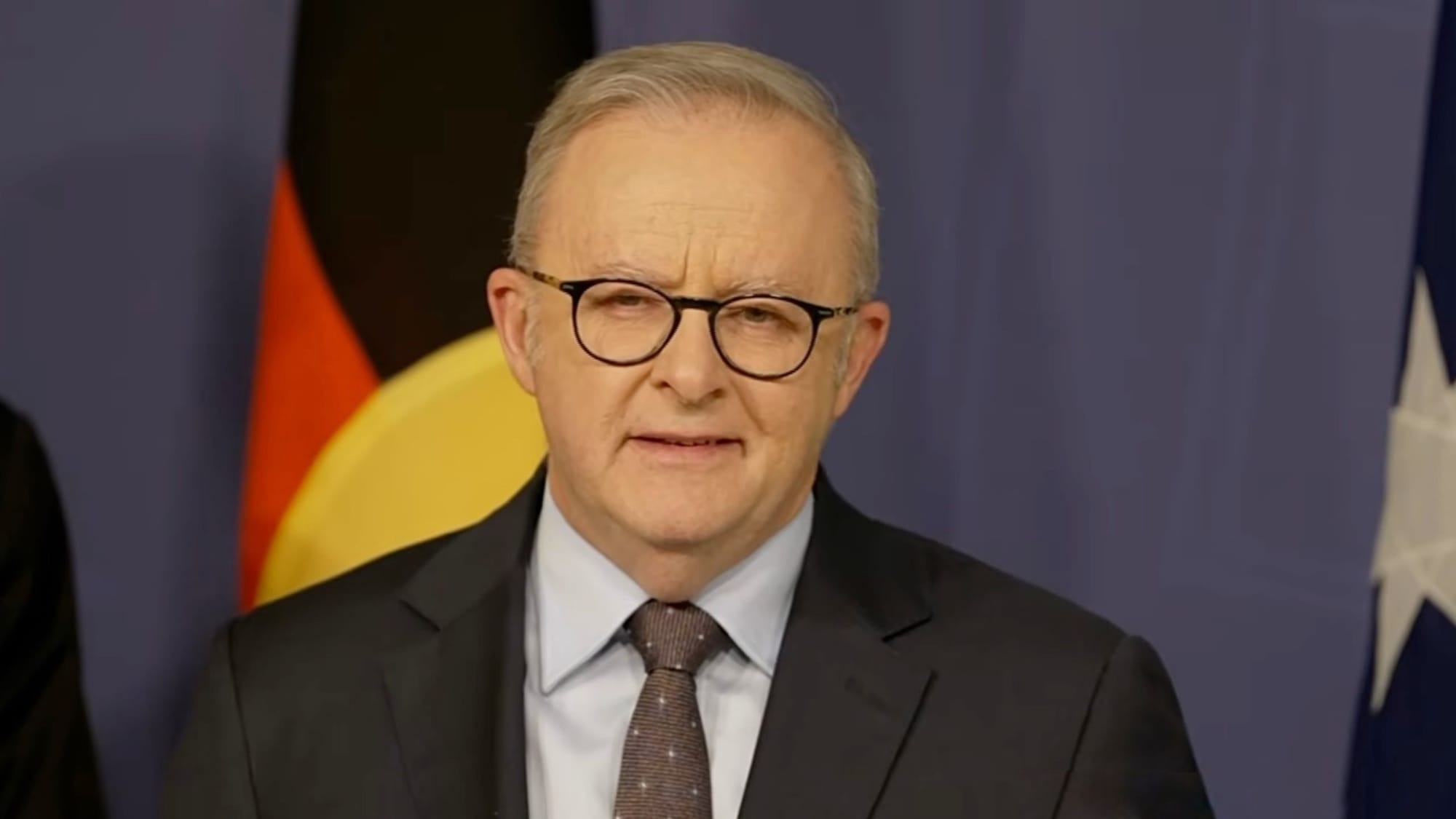
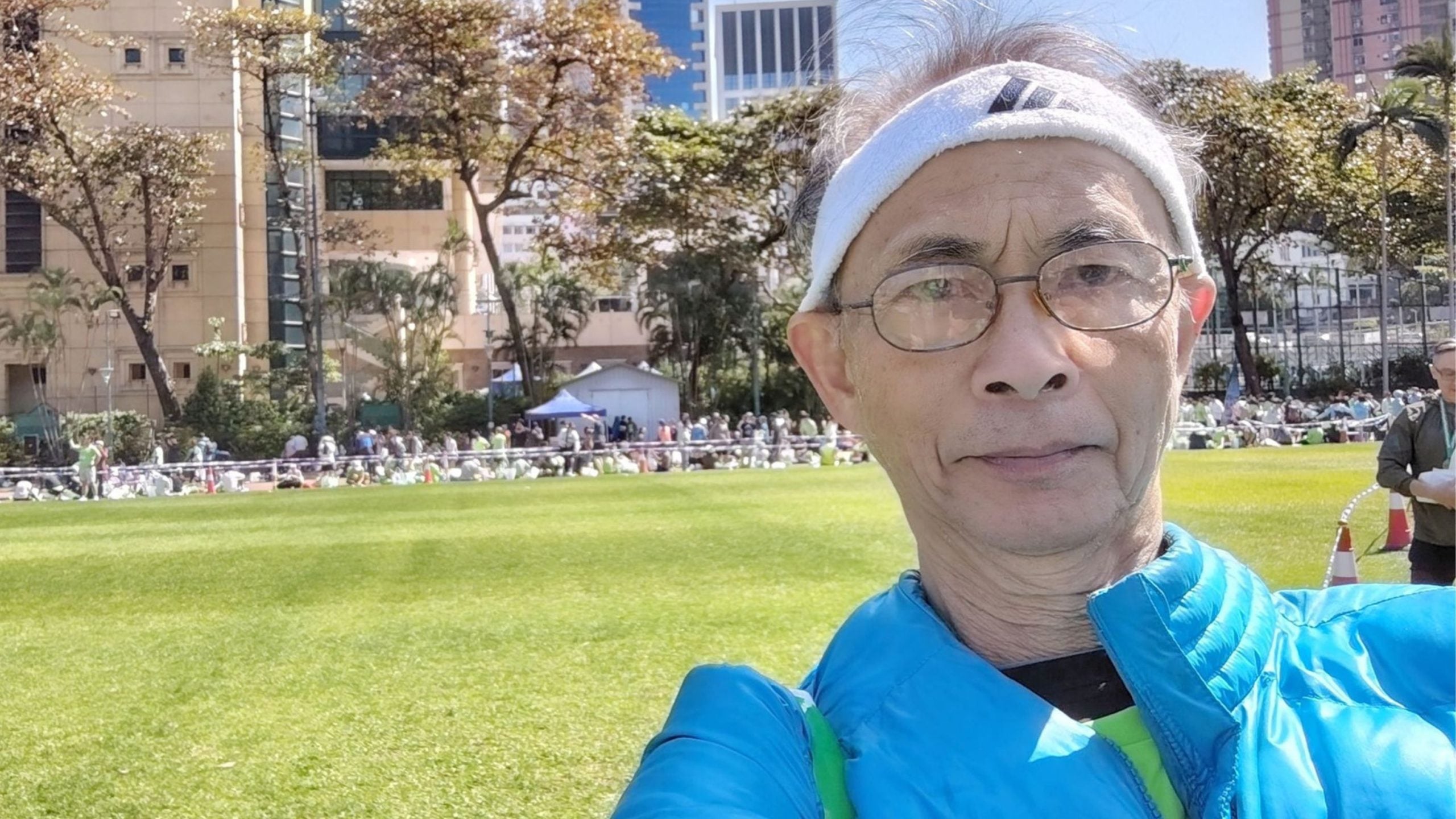
Hong Kong commentator Wong Kwok-ngon, known to audiences online as Wong On-yin, was formally charged on Tuesday at the West Kowloon Magistrates’ Courts, becoming the first person prosecuted under a new clause in the national security law.
The 71-year-old appeared without a lawyer, telling the court he would represent himself.
Authorities allege that Wong disclosed on YouTube details of police activity connected to an ongoing national security investigation.
The alleged disclosure took place the previous Wednesday and falls under an offense added to the Safeguarding National Security Ordinance earlier this year through subsidiary legislation.
Until this case, the provision had never been invoked.
Prosecutors also accused Wong of producing a series of “seditious” videos between January 3 and December 6 that they said aimed to incite “hatred” toward both the Hong Kong and central governments.
The videos were part of his ongoing commentary on politics and current affairs, which he had long published through his YouTube channel.
The arrest disrupted plans for a civil society press briefing scheduled for December 3 about the deadly Wang Fuk Court fire, which killed 160 people. Wong and several other speakers, including solicitor Bruce Liu of the Association for Democracy and People’s Livelihood, were detained shortly before the event began.
The briefing, which was to address alleged corruption and management failures in the aftermath of the blaze, was subsequently cancelled.
At Tuesday’s hearing, national security judge Victor So refused Wong’s bail application, stating he was “not satisfied” that the veteran commentator would refrain from conduct deemed a threat to national security.
The prosecution, led by assistant director of public prosecutions Andy Lo, requested six additional weeks to examine roughly 2,400 videos, most running more than half an hour each. The next court date was set for January 20.
Police have also seized fifteen electronic devices, including laptops and mobile phones, as evidence.
Both of the charges, revealing details of a national security investigation and committing acts of sedition, carry a maximum penalty of seven years in prison.
The case extends the reach of Hong Kong’s national security framework into the realm of online speech, where critical commentary and journalism increasingly operate under legal uncertainty.
With laws written broadly enough to encompass public discussion of government activity, the boundary between transparency and criminal liability has grown less clear, leaving the city’s remaining independent voices at continued risk.