There is a new checkpoint on the road into Azeroth. It’s just past the login screen, roughly where the dragons used to be, and it would like to see some identification.
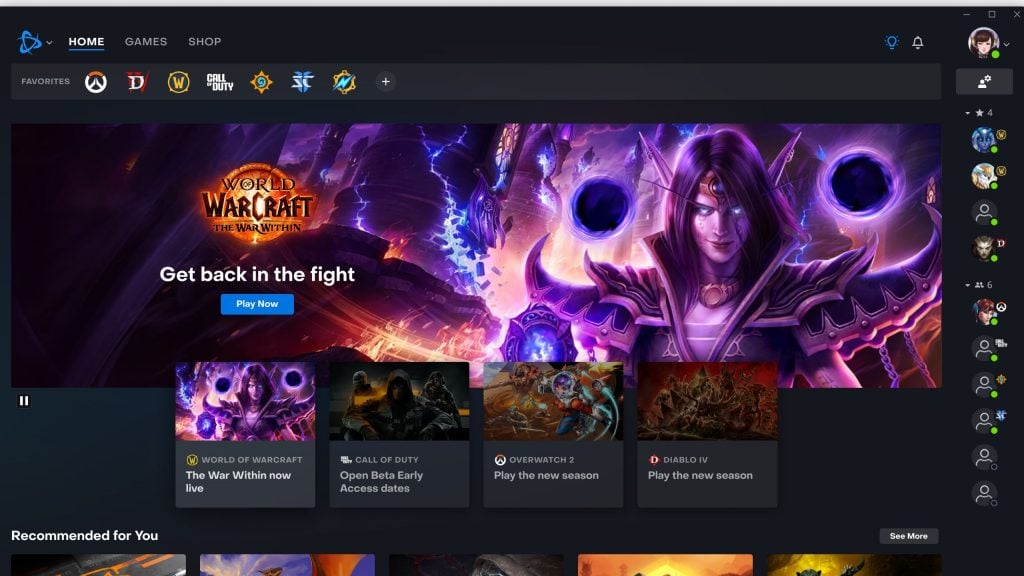
Nothing sinister, you understand. Only for your own good. In California, a company that makes games about orcs has decided that before you may type “gg” at a stranger, the United Kingdom must be satisfied you are old enough to do it. And so, lately, Battle.net has begun asking its British players to prove they are grown-ups.
By passport, ideally.
The moment arrives in Account Settings, where a banner now waits for the UK’s players like a customs officer at the end of a long flight. Age verification may be required, it says. Required for what? For the right to speak. Voice chat, text chat, and, in Blizzard’s own words, “any other social interactions with people other than friends.” Your friends you may keep. Everyone else is now a border matter.
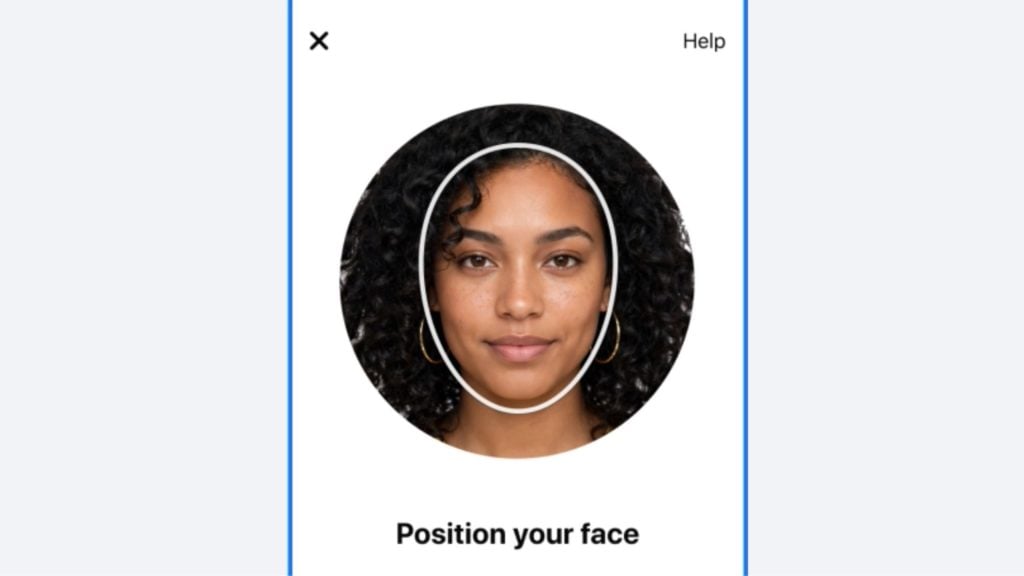
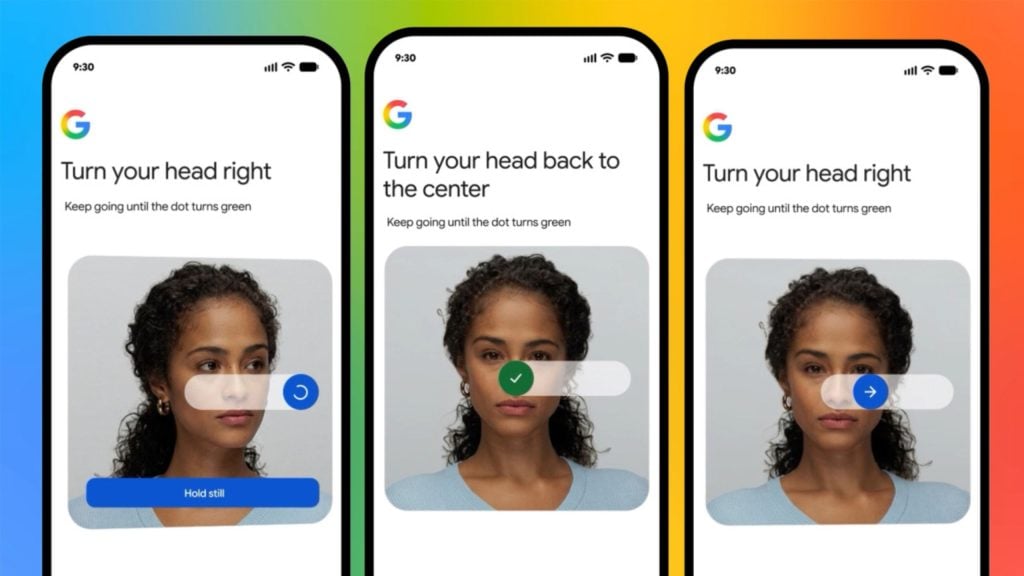
There are three ways through. You may show the state your government ID, the passport or the driver’s license, held up to a camera like a suspect at a lineup. You may let your mobile provider vouch for you. Or, and this is the one they would quite like you to reach for, you may hand over a credit card for a check.
The credit card check costs thirty pence.
Thirty pence. A temporary charge, they promise, returned in due course. But there it is, in black and white. The price of proving to a video game that you are an adult is now thirty pence, plus the contents of your wallet, plus your face.
The paperwork is handled by a third party called Yoti, which is the sort of name a company gives itself when The Ministry of Truth is already taken. Yoti looks at your passport, agrees that you are the person the passport says you are, and then, we are assured, deletes the picture. Encrypted and deleted. Gone. You are invited to find this reassuring, and, having no other option, you do.
None of this was Blizzard’s idea, naturally. It is the law. The Online Safety Act, that great warm blanket thrown over the nation, under which no child shall ever again hear a cross word in a chat lobby. The Act must be served. And so a company built on orcs and loot is now in the passport business, because Parliament looked at the internet and decided the real dragon was the person three seats down in the voice channel.
The net is wide. World of Warcraft, Call of Duty, Diablo. Millions of people who logged on to shoot things and shout at each other, now queuing at the digital passport desk to win back the right to shout. Anyone who declines to prove themselves is shown to the quiet carriage.
Blizzard says the whole apparatus is there to ensure “age-appropriate experiences” and to keep the community safe. Then again, the community was mostly there to call each other names over a game about killing demons, and it managed that for thirty years without showing a single passport.