A right for Australians to sue tech platforms is under consideration by the government as it prepares to bring its Digital Duty of Care Bill to the Senate for a vote, in a bid to secure the support of the Greens.
More than 80 groups, rallied by the Australia Institute, are in favor of this private right of action, which would represent an expansion of the original proposal.
The groups, including unions, the Executive Council of Australian Jewry, and the Islamic Council of Victoria, back the idea of expanding the bill from its original focus on gendered violence to include racist, religious and homophobic “hate.”
A Senate inquiry will hear evidence on November 9 and 10, while Prime Minister Anthony Albanese wants the bill to be passed by the end of the parliamentary year.
The Australia Institute’s Josh Bornstein explained that the bill in its current form does not go far enough, saying, “It needs to address other forms of hate speech including racist and homophobic hate speech” and, “the most extreme forms of hate speech are propagated by social media giants because they profit from doing so. That has got to stop.”
The bill would not outlaw any single post, but would force platforms not to amplify content that encourages violence against people based on their race, religion, sexuality, or gender.
It’s up to the platforms to decide which content to suppress, under threat of fines – and now possibly, lawsuits.
As Greens senator Sarah Hanson-Young put it, “These rules are not about individual users at all or stopping people posting certain things.”
Once the content is flagged, platforms will make sure to bury it.
The Greens frame this as going after “Big Tech” – “Big Tech has turned hatred and division into a business model” – and say they want to give people harmed online “the right to seek compensation.”
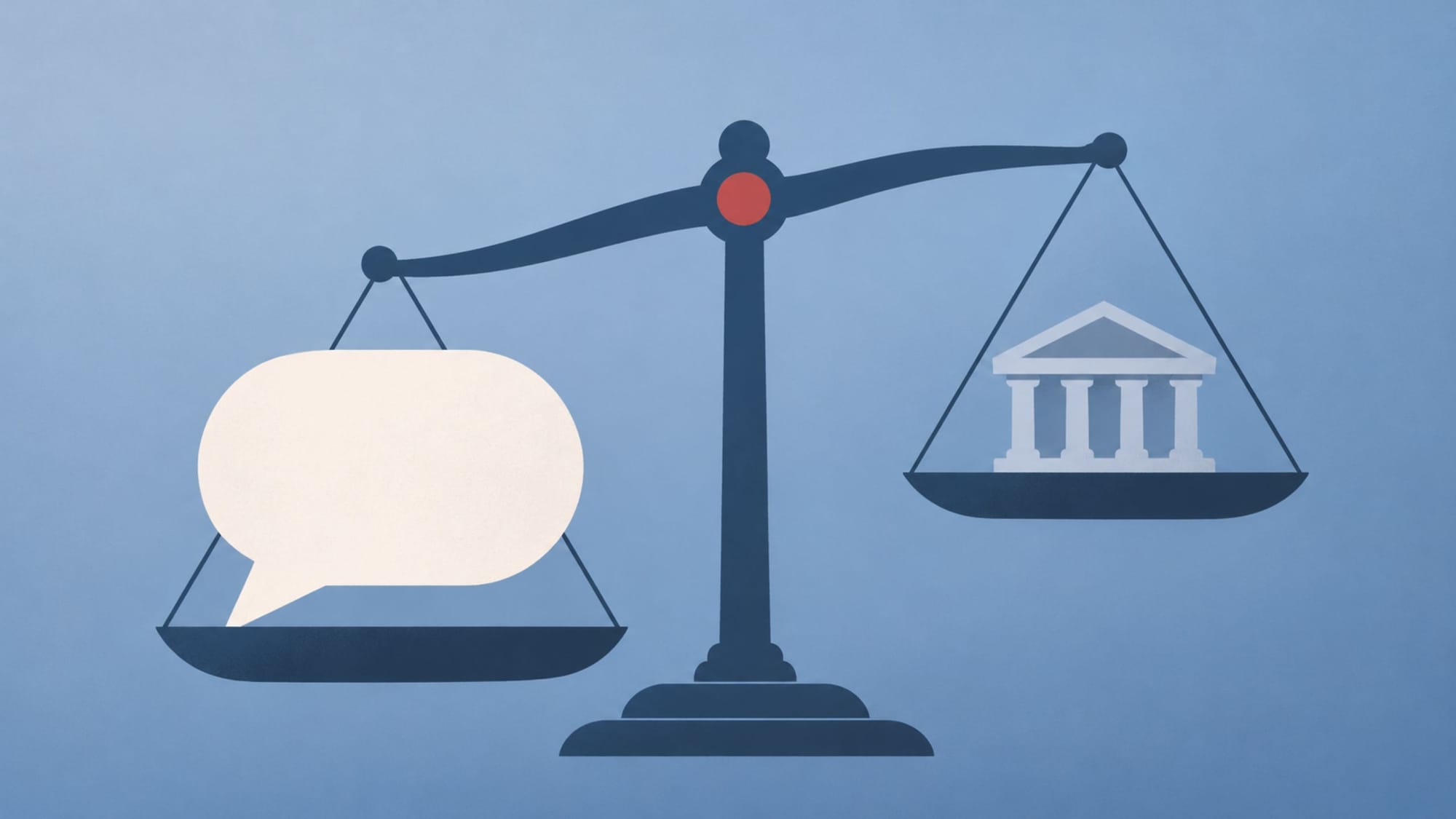
The bill is designed to make sure that platforms put “safety” above everything else – including, freedom of speech and privacy.
The Greens want to add racist, religious, and homophobic hate speech to the list of things that are to be censored in the same way.
The party wants a private right of action – which means anyone who feels aggrieved and has the means to hire a lawyer can sue a platform.
This is different from a regulator picking and choosing which cases to pursue – with a private right of action, anyone can bring a case, and the cheapest way for a platform to deal with it is to remove the content before the lawsuit is even filed.
The Australia Institute’s Bornstein explained that the current system, where the eSafety Commissioner is in charge, is not working.
“It can’t all be left to eSafety, which received more than 100,000 complaints in the last year but only takes action in 2 per cent of cases. The eSafety Commissioner supports a private right of action,” Bornstein said.
Communications Minister Anika Wells confirmed that several groups, including the government-funded Teach Us Consent, want a private right of action, and said the government will “keep working that through in good faith.”
Google is not happy with the proposal and in its submission to the Senate committee examining the bill, the giant said that if a private right of action is introduced, there should be a threshold of “serious harm” that would prevent “minor, trivial or vexatious content disputes” from flooding the courts.
The bill is modeled on workplace safety laws, which “expressly precludes a private right of action,” Google said, and added, “Compliance with the duty should be evaluated and enforced by a dedicated safety regulator.”
In other words, Google is not opposed to the idea of yet another law that will have to censor online content, but would rather deal with a regulator than a multitude of private citizens and their lawyers.
That dedicated regulator would be eSafety – the same one whose powers the Digital Duty of Care Bill is designed to expand.
So Google’s alternative is not better, it’s just a different route to the same destination.
The Digital Duty of Care Bill is another in a long list of censorship laws that have been passing in Australia over the past years, and it is based on a flawed premise – that tech platforms have a “duty of care” towards their users.
The bill passed the House of Representatives in October with 96 votes to 38, after 23 amendments.
As Reclaim The Net reported at the time, the bill never asks platforms to weigh their duty against freedom of expression or privacy.
Some of the definitions are extremely broad – such as section 25E(1)(f) that includes as harmful to children “any other material or conduct, or combination of material and conduct, that may cause serious harm to children.”
Instead of adding more powers to the bill, such as the private right of action, the Senate should work to strip the duty of care of its ability to censor speech, or better yet, vote against it.
The problem with the bill is not the lack of plaintiffs – it’s the very premise of the bill, and the way it can be abused to censor lawful speech.
Adding more parties that can sue is just adding more ways in which lawful speech can be suppressed, because platforms will always opt for the cheapest and most efficient way to deal with the legal threat – by removing or downranking content.