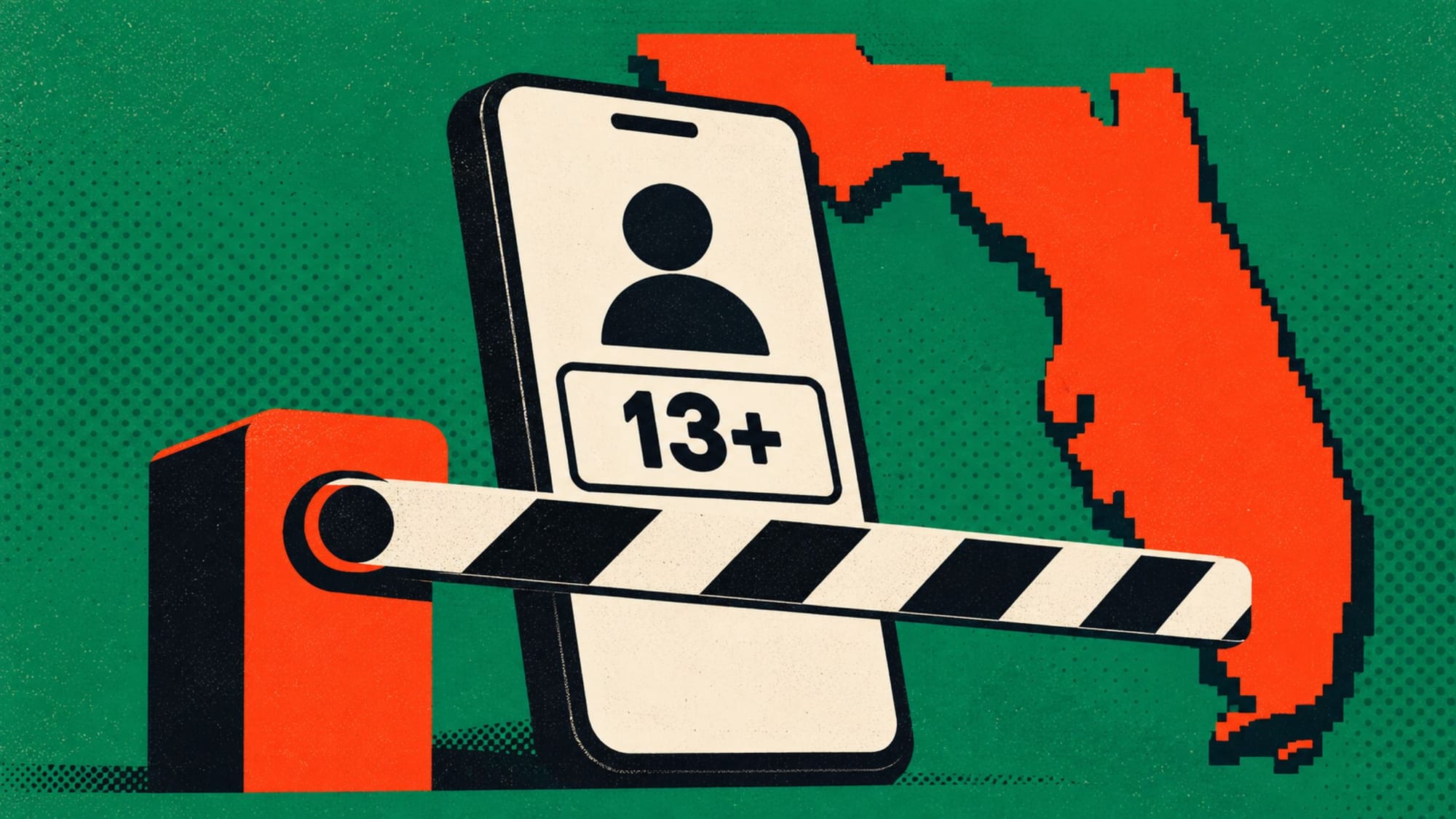

More than two and a half million Australians use Steam, but the platform’s latest move has locked out some of them from accessing R18+ games, and they are not even kids.
The reason is the app’s new age verification process, and the reason for that is Australia’s Age-Restricted Material Codes, which came into effect on September 9.
But many adults are unable to buy or play R18+ games on Steam because they don’t have a credit card, the only form of age verification that the platform is currently accepting. Debit cards are reportedly not working.
But the eSafety Commissioner, Julie Inman Grant, is not happy with Steam’s chosen method either. “Steam providing a single form of age assurance, namely credit cards, which many Australians may not have access to, is unlikely to meet the ‘fairness’ requirement contained in these terms,” an eSafety spokesperson said.
The “terms” here refer to the APP Code, under which companies like Microsoft, Sony, and Valve (the owner of Steam) “are required to ensure that from September 9, games on their stores that are classified R18+ are not able to be purchased or downloaded by Australian children.”
According to Finder, as of July this year there were 12,155,300 credit cards in Australia. Meanwhile, the country’s adult population is 21,455,550, meaning that at least 43 percent of Australians do not have a credit card, and the real figure is likely higher, given that people often have more than one card.
Some users are so frustrated that they are considering changing their region to bypass the restriction using a VPN, while one gamer told nine.com.au they can no longer access games they already own, including Cyberpunk 2077.
And while the intention may have been to protect children, the result is that some adults are now being treated like children and denied access to games they are legally allowed to play.
But eSafety wants Steam to offer more “age assurance” options, and is “engaging with Valve and seeking commitments from the company that it will put in place additional forms of age assurance to give its customers choice.”
The spokesperson added that other gaming stores have managed to “introduce a broad suite of age assurance options, mostly avoiding the issues being highlighted by Steam customers.”
In fact, eSafety seems to think that these stores are doing a great job, and is holding them up as an example to Steam. “Microsoft allows those purchasing games on its store to verify using a range of methods including email-based verification, facial age estimation, official document scan and credit card. Sony, Apple and Google also provide a variety of options for users to complete age assurance,” the spokesperson said.
But this is a regulator that seems to be okay with facial recognition as a form of age verification, and is now effectively pressuring a company to offer it, or something similar, as an alternative to credit cards.
It’s not hard to see why Steam may have chosen not to go for that option, even if it meant upsetting eSafety. But the regulator is now trying to make the case that the company is not complying with the rules.
The “Age-Restricted Material Codes” were “collectively written by more than 70 members of the online industry, including major gaming studios, device manufacturers and app stores,” as the eSafety spokesperson noted.
But what about the law, Australia’s Social Media Minimum Age legislation? It “makes it clear that any form of identification for under-18s must include options other than a government ID or credit card,” the spokesperson said.
The implication is that the law is designed to push companies towards using biometric data, like face scans, for age verification.
On the Steam Community forum, users are calling this “malicious compliance” – while Australian tech commentator Trevor Long is wondering if the whole thing is “trolling” on the part of Valve.
Meanwhile, those affected are advised to file a “manual support ticket” with Steam.