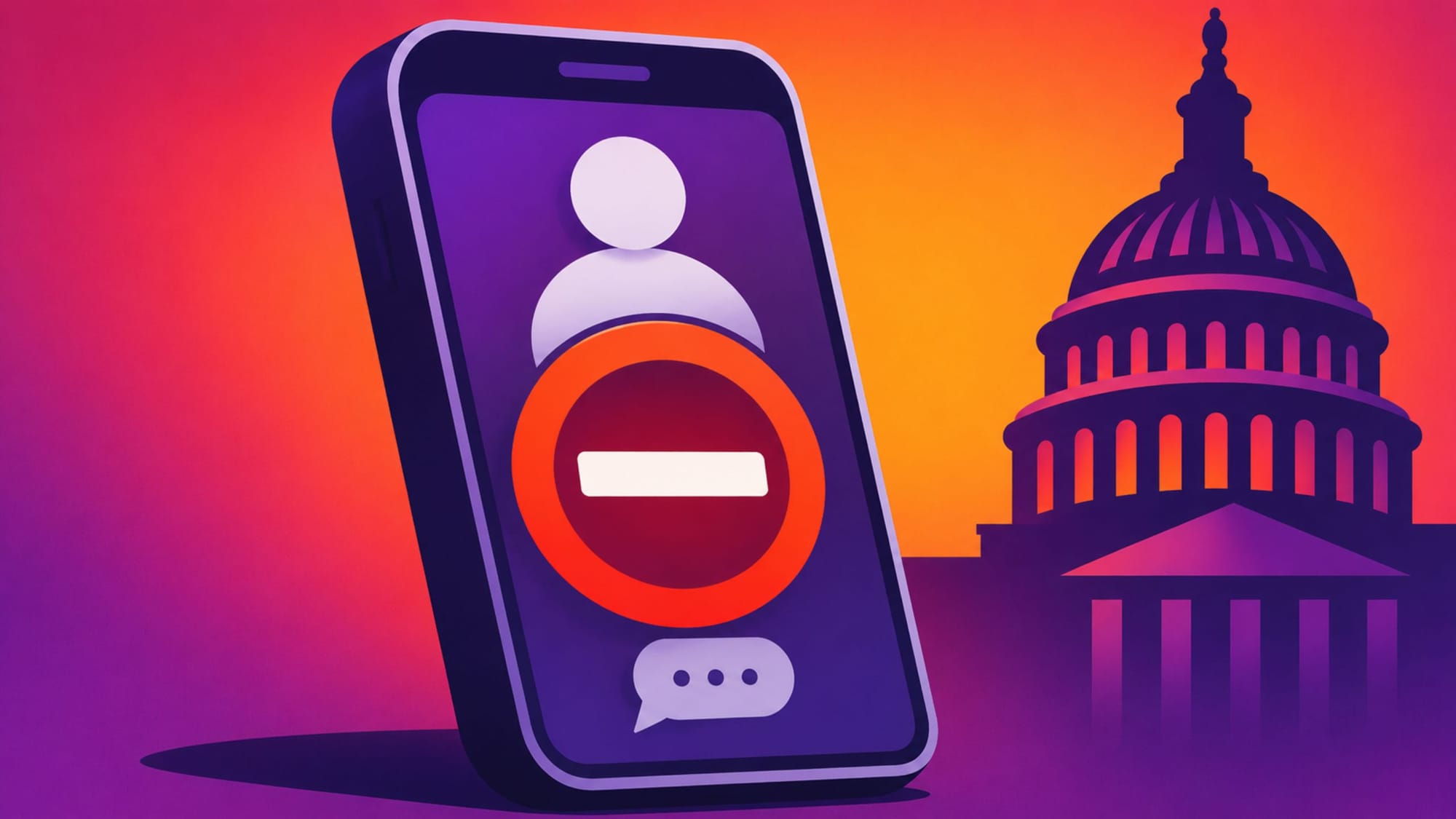
Australia’s federal government has conceded in the country’s High Court that its ban on under-16s using social media is a burden on the freedom of political communication – but says this burden is “indirect in nature and modest in extent.”
The court heard the challenges on Tuesday and Wednesday, brought by social platform Reddit and by the Digital Freedom Project, a campaign group led by NSW Libertarian MP John Ruddick. Both are arguing that Part 4A of the Online Safety Act, is unconstitutional.
In court on Wednesday, government barrister Stephen Lloyd SC accepted that the ban is an effective burden on under-16s’ ability to communicate politically but called it “narrow, indirect and modest.”
The legislation, which is one of the most controversial and draconian among Australia’s many censorship laws, was challenged by Reddit and the Digital Freedom Project for being incompatible with the constitution’s implied freedom of political communication.
The government, as well as several states who joined the case as interveners, defended it, and in the process made some disturbing statements.
The Northern Territory said that “the law imposes no real burden on the political communication of persons aged 16 years or over” – and that “it is not correct to assume that participation in political communication must not involve a cost to one’s privacy or other individual interests.”
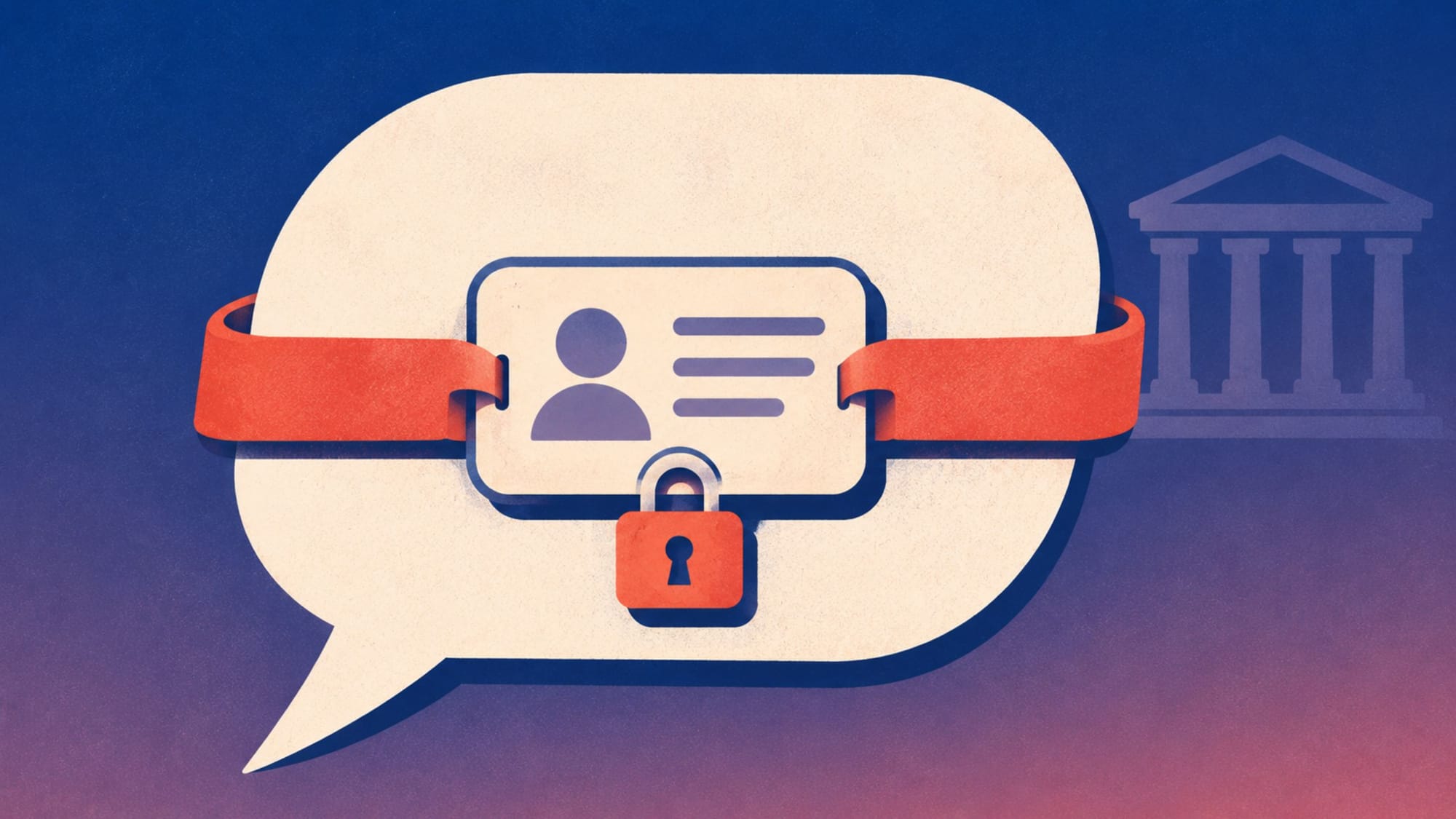
That last point is particularly egregious, as it implies that the price of political participation should be privacy – and that those who do not pay it by providing their age (and, in many cases, ID) to social platforms should not be allowed to engage in it.
For instance, Tasmania’s Attorney-General said that “Parliament should be able to react to a perceived social harm and do so without having to prove the scientific evidentiary basis of that perceived harm.”
That is essentially an argument in favor of evidence-free, knee-jerk legislation, which is a dangerous precedent to set.
Queensland went further, stating that Parliament “is not required to wait for scientific proof before acting” and may act “prophylactically in accordance with the precautionary principle.”
The Commonwealth, for its part, said that “age assurance” – i.e., verifying users’ age – “is technically viable and operationally effective” – and that none of the challengers’ alternatives “is an obvious and compelling way to provide comparable protection with a significantly lesser burden on political communication.”
Lloyd said that the law was “not a blunt instrument” and that it targets features such as endless scroll, likes and comments, recommendations and push notifications – and that even a hypothetical “Reddit Kids” that did not have those features would still require Reddit to assess users’ ages.
More than 5 million accounts that platforms believe belong to under-16s have been suspended or deactivated across 10 platforms since December 2025.
Reddit and the Digital Freedom Project, on the other hand, said that the law is simply not justified, that it came from “an expedited legislative process of a kind apt to lead to ill thought out, overbroad legislation” – and that there is “an additional practical burden insofar as it affects persons over 16 who are unable or unwilling to comply with age verification requirements.”
The social platform also pointed out that “age verification technology has serious limitations” and that “age verification can easily be bypassed” – and that even on the government’s own terms, “the Commonwealth cannot justify the burden on the freedom on the basis of pursuit of that purpose.”
The Digital Freedom Project simply said that “the burden is unjustified.”
As for alternatives, Reddit mentioned regulating “the content that is available to users under 16” and limiting the law “to platforms that can generally only be used with an account” – options that would still keep in place the requirement to verify age.
The other states that joined the case – South Australia, Western Australia, and New South Wales – chimed in to say that the burden on political communication is either “moderate” and “incidental” (South Australia), “moderate” rather than “very substantial” (Western Australia), or “not manifestly excessive” (New South Wales).
The last state also argued that the harm the law is supposed to protect against is “significant, potentially enduring, and affects a large and vulnerable segment of the population” – and that it is “not necessary” for the court to find “a scientific consensus.”
Reclaim The Net has reported before about the Online Safety Act, and the age verification it mandates. In May, we wrote about a survey that showed only about 27 percent of 14- and 15-year-olds covered by the ban were complying – while 75 percent of banned teens said that circumventing the ban was easy or very easy.
In June, we reported that the Australian government responded to this by more than doubling the maximum fine from A$49.5million to A$99 million.
Even if the law was failing, the government decided to double down on it by increasing the punishment for those found to be in non-compliance.
The case is now in the hands of the High Court judges, who will have to consider the arguments presented this week.
Even if the court finds the law to be constitutional, the fact remains that it is failing to keep teenagers off social platforms – while imposing onerous age verification rules on all adults. That is a cost with no discernible benefit, and the court should say so.