
Tech Freedom
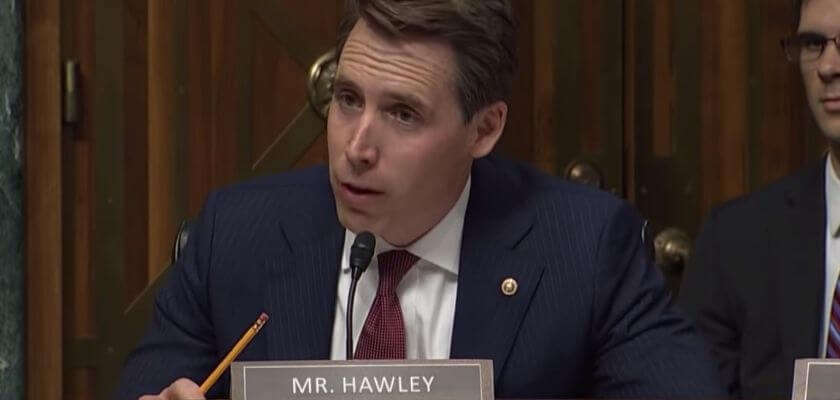
Senator Josh Hawley: “We’d Be Better Off if Facebook Disappeared”
The senator argues for a post-social media world.
The Department of Justice Will Suggest Blocking the T-Mobile and Sprint Merger
The DOJ will argue that the move doesn’t benefit consumers.

GDPR One Year Later – The Good, the Bad, and the Confusing
It’s been a year since GDPR launched. Here’s what happened.
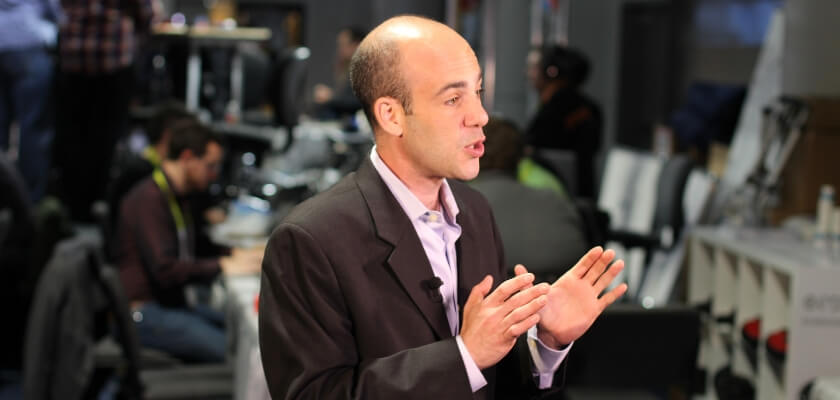
The News Media Hate the Comments Section as It Stops Them From Being in Control of the Narrative
The media hate being called out on their false reporting, so they just switch the comments off.

Why We Need to Protect the Online Gig Economy From Those That Want to Destroy It
Crazy Bernie’s policies could destroy whole industries.
US Supreme Court Rules That Apple Has to Face App Store Antitrust Suit
The decision could lead to Apple paying millions of dollars in penalties or being forced to allow third-party app stores on iOS.
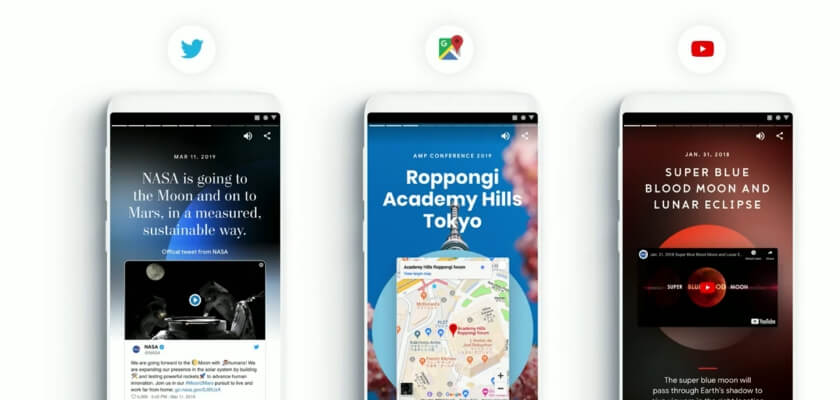
Google Will Let Publishers That Use Google AMP Have a Featured Spot in Search Results
Some see it as a way for Google to make publishers use AMP or miss out.
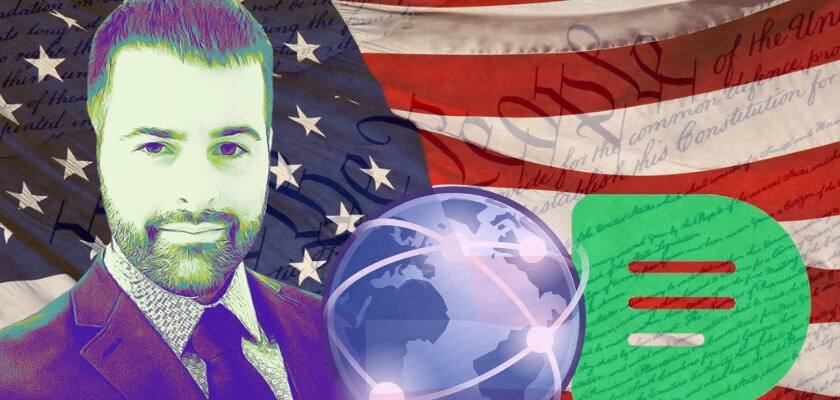
Andrew Torba Is One of the Few People Actually Doing Something About Preserving Free Speech Online
It’s easy to talk but not so easy to act.

Data Protection as a Service – Is It Effective and Should Businesses Be Implementing It?
Data protection as a service can be difficult to wrap your head around.
Facebook Cofounder Calls for the Break Up of Facebook
He proposes Instagram and WhatsApp should be separated from Facebook.

Instagram Will Let 3rd Parties Fact Check Your Memes
The tech giants want to be the sole arbiters of truth.
The EU Will Investigate Spotify’s Complaint Against Apple’s Anti-Competitive App Store Practices
Apple’s 30% “tax” on Apple Store developers gives it a competitive advantage, Spotify says.