Apple Removes Private VPN Apps From Russia App Store
Apple keeps helping the Kremlin shrink the internet one app removal at a time.

Apple keeps helping the Kremlin shrink the internet one app removal at a time.

Moscow is the fifty-eighth region to lose access to foreign news, and St. Petersburg is next.

313 people documented what a missile attack on their country looked like in real time, and their government’s response was to make that a crime.

The same officials who ordered the crackdown also wrote the definition of what counts as disinformation.

The law was written before the missiles arrived, but its timing couldn’t be more useful for a government that would prefer its residents experience a war only through official channels.

Russia’s 100 million WhatsApp users are being nudged toward Max, a Kremlin-friendly app that doesn’t offer end-to-end encryption.

Google handed over credit card numbers, IP addresses, and phone records tied to a student’s account without a warrant, and without telling him it had happened.

Durov’s defiance comes as Moscow tries the same playbook that failed in Iran, only this time with a homegrown WeChat waiting in the wings.

No state has ever managed to smother Starlink so completely, marking a grim milestone in digital repression.

Russia’s online world keeps shrinking as the government trades global access for tighter control at home.

A ban on WhatsApp would mark another step in Russia’s tightening grip on digital life.

The proposal would make Israel’s emergency media law permanent, granting the government power to shut outlets and block online content without court approval.

A judge just told the government that emailing censorship demands have no legal authority.

A cloud empire built for business was repurposed by the Israeli government into an intelligence dragnet.

Online speech becomes a focal point in the competing visions of Israel’s leadership.

Russia’s grip on foreign tech tightens one feature at a time.

A viral clip turned a late‑night stunt into a fast‑tracked arrest.

WhatsApp’s potential exit marks another milestone in Russia’s quiet war to nationalize the internet one app at a time.

Even silence can be engineered when the story gets too big to contain.

Under new censorship rules, people must now ask permission before reporting where a missile lands.

Online censorship becomes the second front as governments weaponize digital platforms to shape the narrative.

Efforts to ban TikTok stalled until the October 7 attack, when concerns over pro-Palestinian narratives on the platform revived the legislation.

Digital ID systems risk becoming massive vulnerabilities in the face of modern cyber threats.

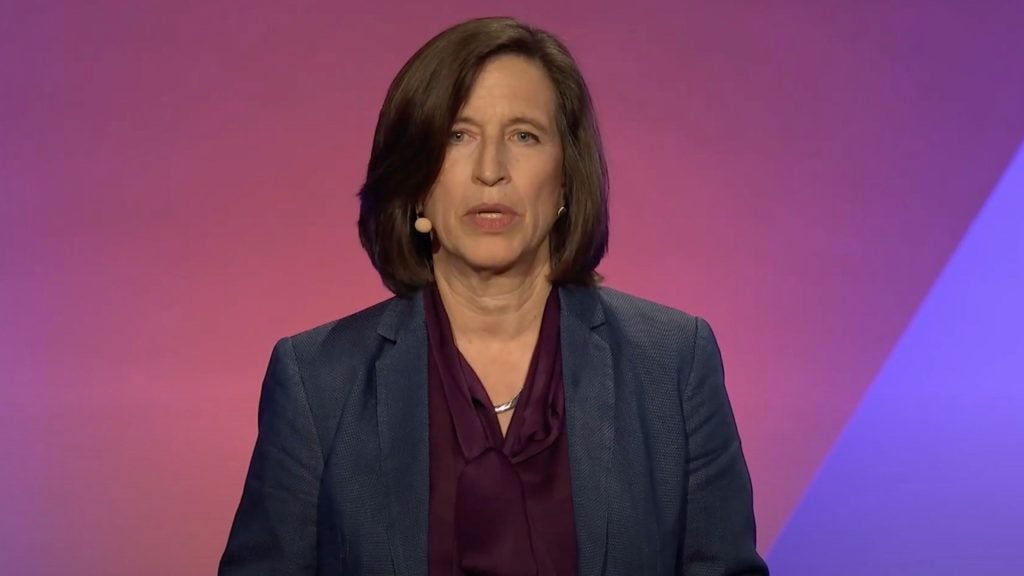
As Melissa Fleming advocates for AI-regulated media ecosystems, critics argue her call for tighter controls risks undermining open discourse and press freedom.

Apple keeps helping the Kremlin shrink the internet one app removal at a time.

Moscow is the fifty-eighth region to lose access to foreign news, and St. Petersburg is next.

313 people documented what a missile attack on their country looked like in real time, and their government’s response was to make that a crime.

The same officials who ordered the crackdown also wrote the definition of what counts as disinformation.

The law was written before the missiles arrived, but its timing couldn’t be more useful for a government that would prefer its residents experience a war only through official channels.

Russia’s 100 million WhatsApp users are being nudged toward Max, a Kremlin-friendly app that doesn’t offer end-to-end encryption.

Google handed over credit card numbers, IP addresses, and phone records tied to a student’s account without a warrant, and without telling him it had happened.

Durov’s defiance comes as Moscow tries the same playbook that failed in Iran, only this time with a homegrown WeChat waiting in the wings.

No state has ever managed to smother Starlink so completely, marking a grim milestone in digital repression.

Russia’s online world keeps shrinking as the government trades global access for tighter control at home.

A ban on WhatsApp would mark another step in Russia’s tightening grip on digital life.

The proposal would make Israel’s emergency media law permanent, granting the government power to shut outlets and block online content without court approval.

A judge just told the government that emailing censorship demands have no legal authority.

A cloud empire built for business was repurposed by the Israeli government into an intelligence dragnet.

Online speech becomes a focal point in the competing visions of Israel’s leadership.

Russia’s grip on foreign tech tightens one feature at a time.

A viral clip turned a late‑night stunt into a fast‑tracked arrest.

WhatsApp’s potential exit marks another milestone in Russia’s quiet war to nationalize the internet one app at a time.

Even silence can be engineered when the story gets too big to contain.

Under new censorship rules, people must now ask permission before reporting where a missile lands.

Online censorship becomes the second front as governments weaponize digital platforms to shape the narrative.

Efforts to ban TikTok stalled until the October 7 attack, when concerns over pro-Palestinian narratives on the platform revived the legislation.

Digital ID systems risk becoming massive vulnerabilities in the face of modern cyber threats.

As Melissa Fleming advocates for AI-regulated media ecosystems, critics argue her call for tighter controls risks undermining open discourse and press freedom.