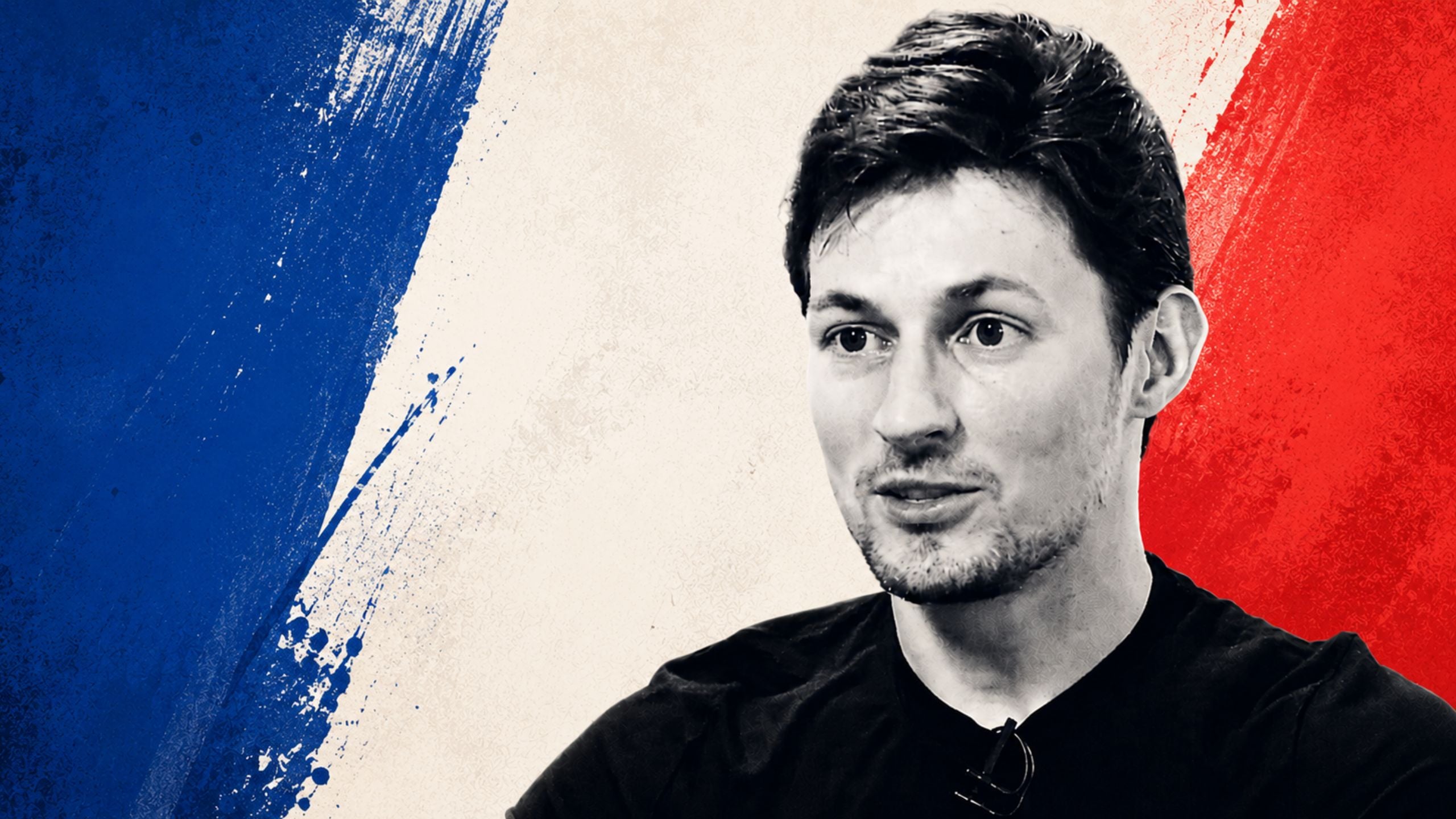
French investigators pulled Pavel Durov back into a Paris courtroom last week for a fourth round of questioning, holding the Telegram founder for more than six hours in a case that has run for nearly two years without producing evidence of a crime.
Durov’s legal team told AFP that “almost two years after the indictment of Pavel Durov, there is still no evidence to establish the validity of the charges.” They have filed appeals in France and before European courts, and they intend to keep contesting how the case has been run.
France is not prosecuting Durov for anything he wrote or posted. Prosecutors accuse him of complicity in crimes that other people committed on Telegram, tying the charges to what they call weak moderation and a reluctance to hand over user data on demand. The theory makes the builder of a communications tool answerable for the private messages that pass through it.
The ordeal started at Le Bourget airport in August 2024, when police detained Durov as he stepped off his plane and hit him with a dozen charges. The most serious, running a platform that enabled illegal transactions by an organized group, carries up to ten years in prison and a 500,000 euro fine. A judge set bail at five million euros, ordered him to report to a police station twice a week, and barred him from leaving the country.
France eased those conditions in July 2025 and lifted the travel ban entirely last November, restoring his freedom to move. The investigation never closed. Wednesday’s session shows prosecutors still hunting for something to justify the charges they filed first.
Telegram described the grind. “The only change since Durov’s detention in France is that French authorities have started properly drafting requests to Telegram,” the company said. The platform says it follows European law and answers valid legal requests.
Durov has called the arrest and the charge “absurd” and cast the case as an attack on speech itself. Governments across Europe have shifted from chasing the people who break laws online to pressuring the engineers who build private channels for everyone else. Durov sits at the sharp end of that shift.
He made the point again in May, backing Elon Musk’s X while French authorities investigated that platform too. Durov argued that the French government was doing “the very things” it accused X of, and predicted a “major political shift in 2027 will expose their misdeeds.”
Paris, he suggested, is scrambling to silence “free speech platforms” before that reckoning arrives.
The case comes down to one question. If a founder can face prison for messages he never sent, on a service built to keep conversations private, every encrypted platform in Europe is operating on borrowed time.