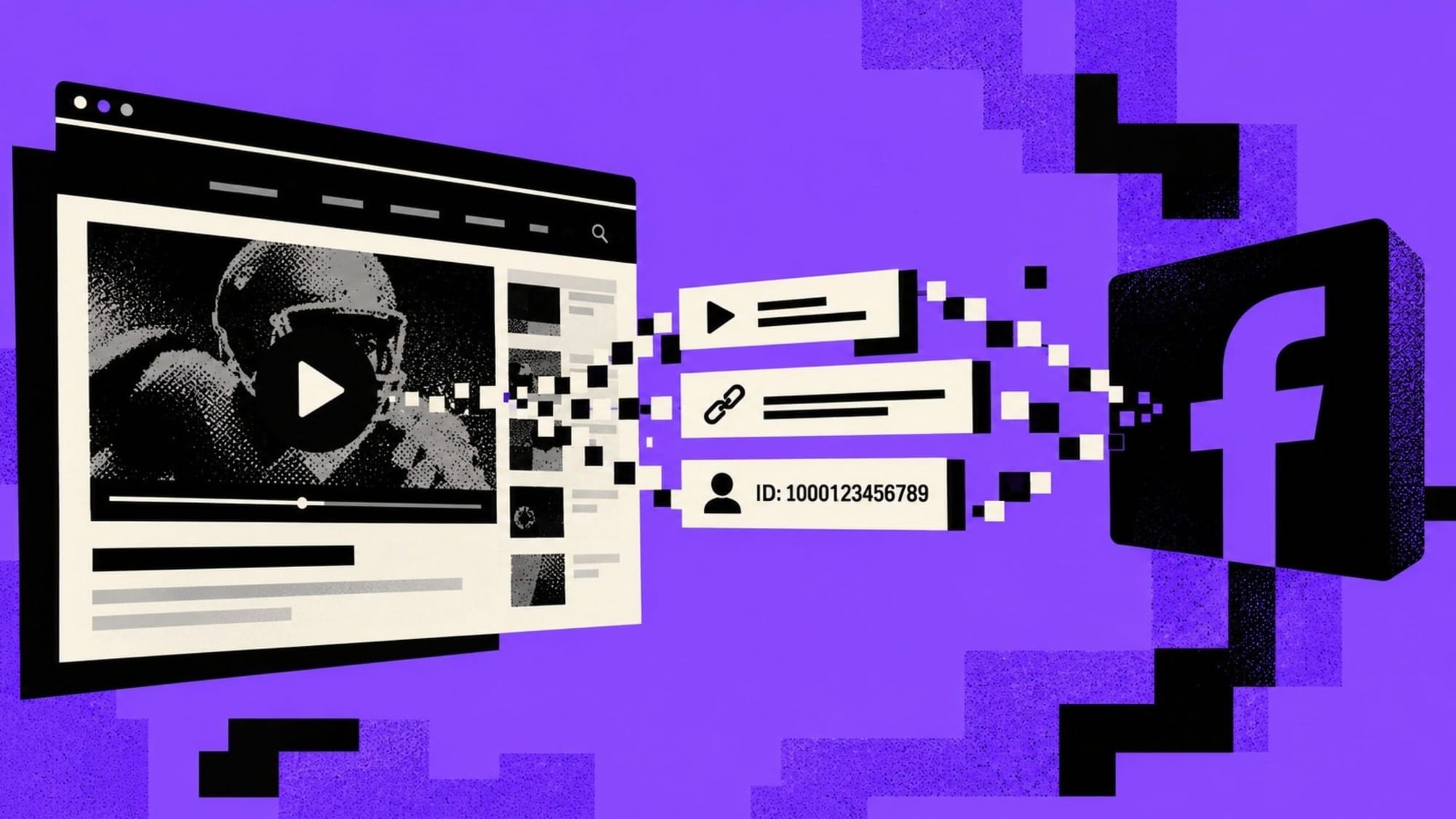
Florida wants every social media user in the state to prove how old they are. The method is up to the platforms and the options include government ID uploads, biometric face scans, payment credentials, and behavioral profiling. Now the state is suing TikTok for not doing it fast enough.
Attorney General James Uthmeier filed a 66-page complaint Monday in St. Lucie County Circuit Court, accusing TikTok of letting children under 14 create accounts, skipping parental consent for 14- and 15-year-olds, and lying to parents about what their kids actually see on the app.
The lawsuit names TikTok Inc., its parent company ByteDance and several related entities. It’s the first enforcement action under House Bill 3, Florida’s Online Protections for Minors Act, which took effect January 1, 2025 after spending two years tangled in court challenges.
We obtained a copy of the lawsuit for you here.
HB 3 bans social media platforms with addictive design features from contracting with children 13 and younger and requires parental consent before 14- and 15-year-olds can open accounts.
Violations carry fines of $50,000 each. But to block minors, platforms first have to figure out who is and isn’t a minor, which means age-checking every user, adults included.
Florida is building an identity verification regime for the internet under the banner of protecting kids and the surveillance costs of that project land on millions of people who have done nothing wrong.
What the Complaint Says TikTok Did
The state’s filing is an indictment of TikTok’s entire business model. According to the complaint, the platform’s own executives have admitted internally that “[t]he product in itself has baked into it compulsive use” and that the algorithm can disrupt young users’ ability to sleep, eat, and interact with people in person.
The complaint also cites a description of “[t]eenagers in the U.S. are a golden audience,” drawn from New York Times reporting in 2016.
Florida alleges TikTok uses what its own documents call “coercive design tactics” to manipulate young users into spending more time on the app. The platform harvests personal data from children and teenagers to identify psychological vulnerabilities, then exploits those vulnerabilities to serve targeted advertising. Internal records cited in the complaint acknowledge that “compulsive usage correlates with a slew of negative mental effects like loss of analytical skills, memory formation, contextual thinking, conversational depth, empathy, and increased anxiety” and that it “interferes with essential personal responsibilities like sufficient sleep, work/school responsibilities, and connecting with loved ones.”
TikTok knew and kept going.
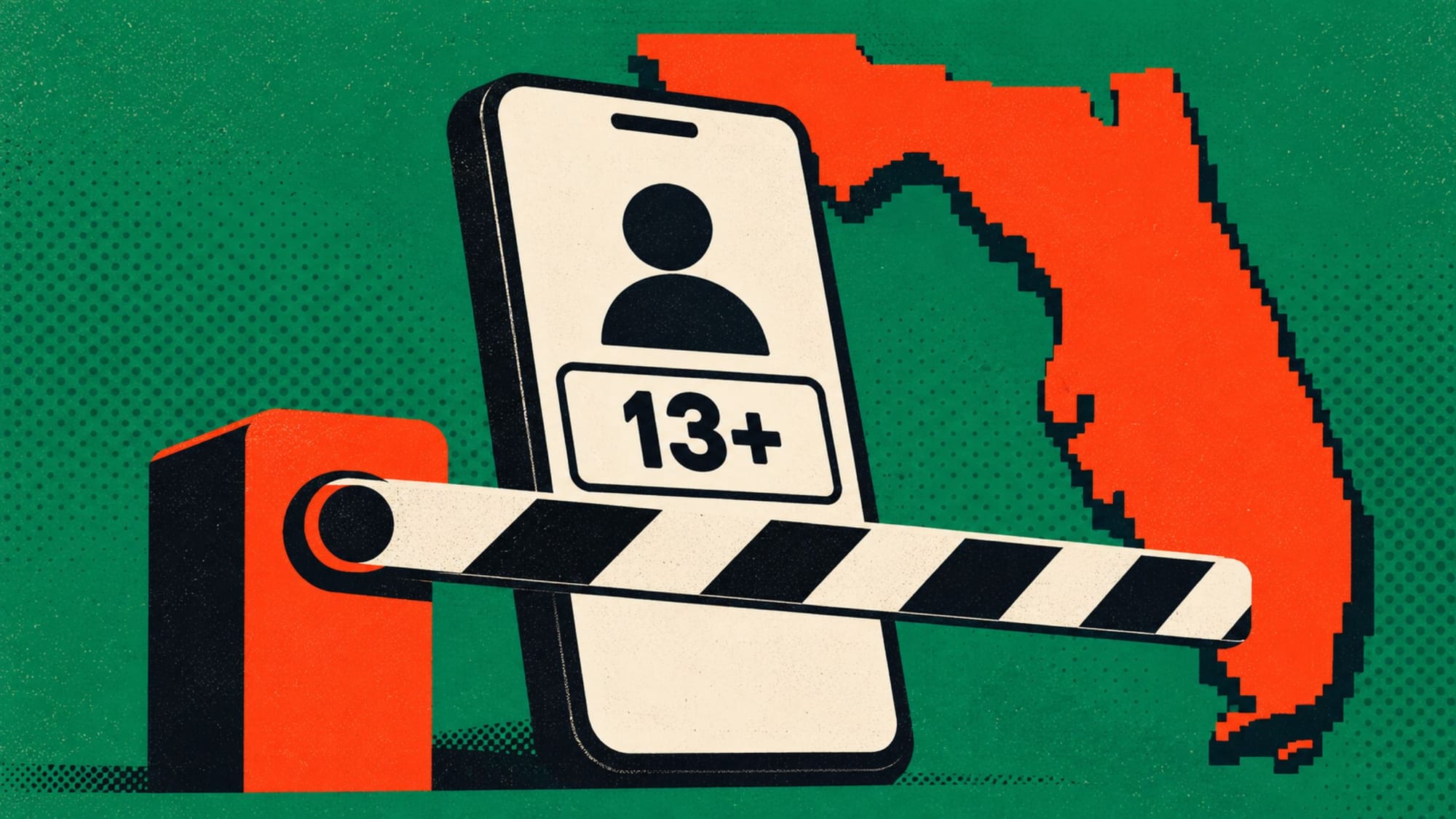
The complaint also targets how TikTok represents itself in Apple’s App Store. The platform currently carries a 13+ rating and tells parents that sexual content, profanity, drug references, and self-harm themes are “infrequent” and “mild.” Florida says that’s false and that investigators found this content “frequently and easily accessible” through accounts registered as belonging to 13-year-olds. The state argues TikTok deliberately lowballed its App Store rating to dodge parental controls. If the platform had been honest, according to the filing, it would have received a 17+ rating under the old system or 16+ to 18+ under Apple’s new one, triggering automatic blocks on phones with parental restrictions enabled.
“TikTok’s success hinges on its ability to addict children and teenagers to the platform,” Uthmeier said. “TikTok knowingly deceives parents and allows children to be exposed to harmful and inappropriate content in direct violation of Florida law. We have zero tolerance for companies that prioritize profit over children’s safety. TikTok should expect to be held accountable.”
Beyond HB 3, the lawsuit invokes the Florida Deceptive and Unfair Trade Practices Act and asks the court to declare TikTok a public nuisance. Florida is seeking civil penalties, punitive damages, disgorgement of profits, permanent injunctive relief, and attorney’s fees.
TikTok’s Response
TikTok said it has already been working with the attorney general’s office and has started notifying users under 14 in Florida that their accounts will be suspended.
“TikTok is built with safety at its core, with more than 50 preset safety and privacy settings for teens and easy-to-use tools for parents,” a spokesperson said. “We’re continuing to update our platform in Florida in response to state law. We are evaluating the state’s complaint and are prepared to defend our strong record on minor safety.”
The company claims 50-plus preset safety settings. What it doesn’t explain is how those settings square with internal documents showing executives knew the platform was harming children and chose to keep operating the same way. Fifty safety toggles mean nothing if the algorithm underneath them is designed to override user autonomy through compulsive engagement.
Florida’s case against TikTok is built on a law that creates a problem of its own. HB 3 requires platforms to verify ages but doesn’t specify what counts as “reasonable” verification.
That leaves companies to decide how much personal data to extract from every user in the state, and none of the available methods come with meaningful limits on how long the data gets stored or who gets access to it.
The law protects children by demanding that adults prove they aren’t children, a trade that turns anonymous internet use into identity-verified internet use for millions of people who have every legal right to browse without showing ID.
Meta already capitulated in April, agreeing to start purging accounts belonging to under-14s and implementing age checks ahead of an enforcement deadline. Uthmeier has been pressuring Snapchat, Roblox, and Discord to follow.
Discord’s earlier experiment with government ID-based age checks resulted in a breach that exposed over 70,000 government-issued IDs. That’s a preview of what mandatory identity harvesting across every major platform could produce at scale.