France’s digital affairs minister, Anne Le Hénanff, has called an emergency meeting with big social media platforms after rioting and looting expanded to remind them to censor content and livestreams to remove violence and anything that might encourage people to break the curfew.
The platforms also handed data to law enforcement, the French outlet L’Informé reported: “Data was provided to law enforcement.”
The platforms that were in the room were identified by RTL and L’Informé reporter Marc Rees as Discord, Meta, Google (YouTube), Snapchat, TikTok, and X.
According to Rees, also present were Arcom, France’s media regulator and the national coordinator for enforcing the EU’s online censorship law, the DSA, and the Directorate General for Enterprises, a government business policy unit.
The evening before the meeting, Le Hénanff announced it on X, saying she would “bring together the representatives of the main social media platforms as early as tomorrow morning to take stock of the situation and define together the actions to be taken.”
Such meetings allow the authorities to ask platforms to “moderate” more, act faster to remove illegal content, downrank it in their algorithms, or restrict features.
The platforms can also be asked to help investigators by preserving digital evidence, answering police requests, identifying accounts, and all this without cutting anything off, RTL said.
The riots saw the government say that at least 3,000 businesses were damaged or looted on the weekend of October 17 and 18, while police made more than 2,400 arrests, and Interior Minister Laurent Nuñez admitted that the police “lost control” in some cities.
On TikTok, the search term “blocus” (blockade) is being used to promote “Act II” of the protests on October 24, and the platform has put a warning on it: “This situation is developing rapidly. Information available now may be unverified, incomplete, inaccurate, or subject to change.”
Rees also said that several platforms at the meeting with Le Hénanff, in the presence of Arcom and the Directorate General for Enterprises, reminded her of the existence of a “permanent contact group.”
“Intended to facilitate exchanges between authorities and social networks, it has not met since…2022,” the reporter wrote.
The group was set up in April 2015 by Interior Minister Bernard Cazeneuve with Google, Facebook, Microsoft, Apple, and Twitter as part of a deal to fight terrorist propaganda that also created a label “enabling the faster removal of illegal content from the Internet.”
In January 2016, Cazeneuve called it “a body for free and effective dialogue, based on mutual trust, between the State and operators.”
On Monday, October 19, Le Hénanff and Minister for Small and Medium-Sized Enterprises and Trade Serge Papin met with online sales platforms and marketplaces, who were told to remove listings of products that are suspected to have been stolen during the riots.
Le Monde said that those who were summoned to that meeting were Vinted, eBay, Amazon, LeBonCoin, Meta, and TikTok, and that the Interior and Justice ministries also had representatives present.
Papin announced the meeting on X, saying, “Such behavior will not go unpunished. We will not let it slide.” And, “We expect these platforms to remove the listings in question without delay.”
The Ministry of Economy said that the platforms made four commitments: to work with the authorities, forward reports to investigators, and “share with them all data useful for identifying those handling stolen goods.”
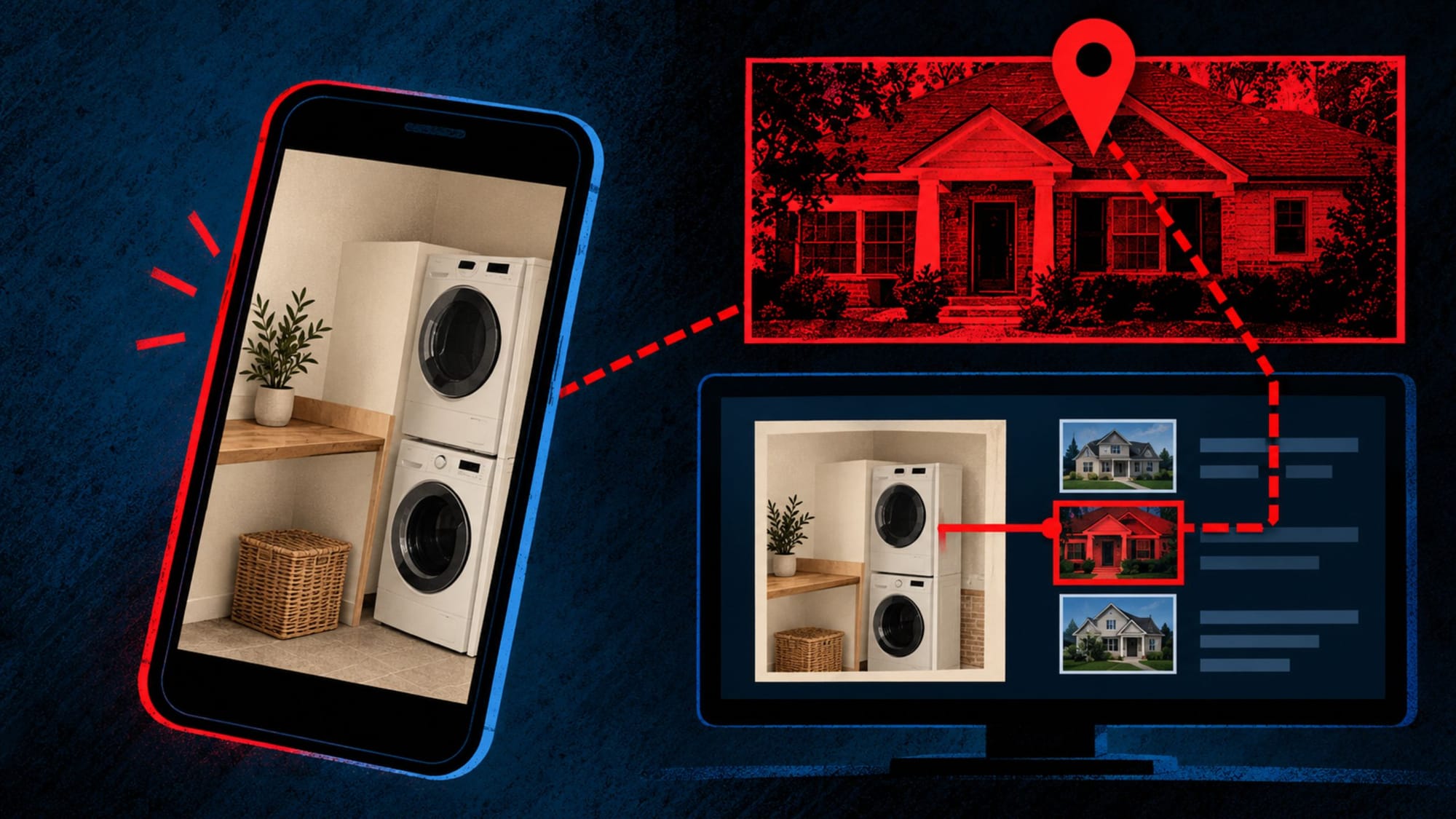
The ministry said they will watch for listings that may be looted goods, using signs such as “abnormally low prices, batches of new products, the presence of security tags, or explicit mention of theft.” This, the ministry added, “will also apply to purchase requests.”
The platforms will also warn buyers of the risks and penalties of handling stolen goods, the Ministry of Economy said. They will also have to report to the government on what they remove, and how they cooperate with the police.
The government also activated its VigE-commerce task force, which “will monitor sales conducted on these platforms,” and Papin warned, “Anyone handling stolen goods must know that they will be tracked down, found, and prosecuted.”
eBay said that when a listing is found, “measures are taken against the accounts involved,” which can mean a permanent suspension.
On October 19, former French Prime Minister Gabriel Attal, who is his party’s 2027 presidential candidate, said that “during riots, we must be able to temporarily and selectively block access to certain platforms to stop the herd effect.”
He also called for the use of facial recognition and AI on videos posted online.
In May 2024, Attal as prime minister blocked TikTok in New Caledonia, but on April 1, 2025, the Council of State ruled that the block was illegal, saying it was a “disproportionate infringement of the rights and freedoms” of those who challenged it in court.
Earlier in the month, President Emmanuel Macron told the EU that the DSA should be used “much more, much faster, much more forcefully.”
The French government got platforms to agree to take down more content, watch more, and hand over data, all without a court order or a change in law, simply by putting pressure on them in a crisis situation.