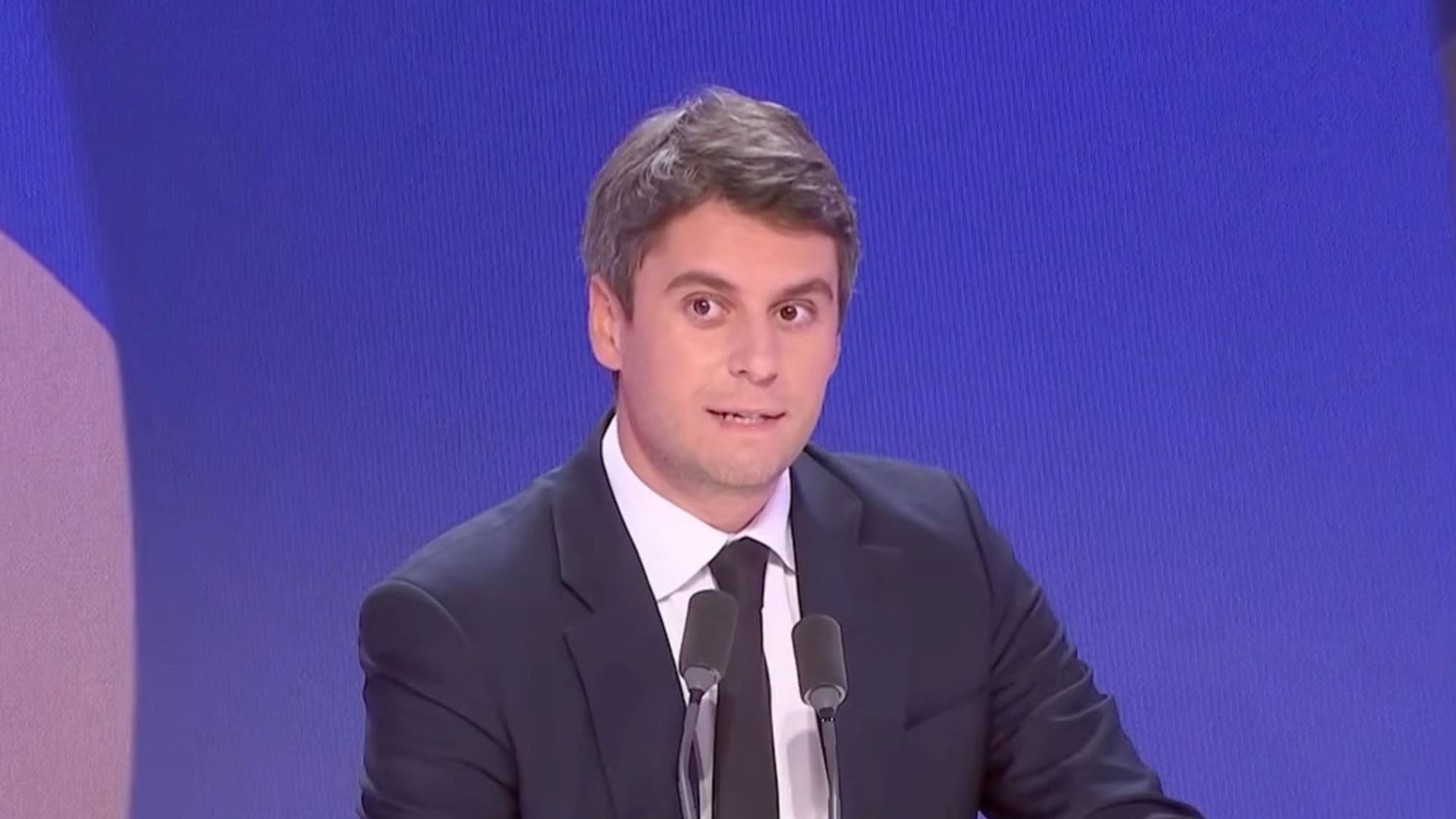
France’s former Prime Minister Gabriel Attal wants the government to be able to block social media during riots and use facial recognition and artificial intelligence (AI) to identify people in videos.
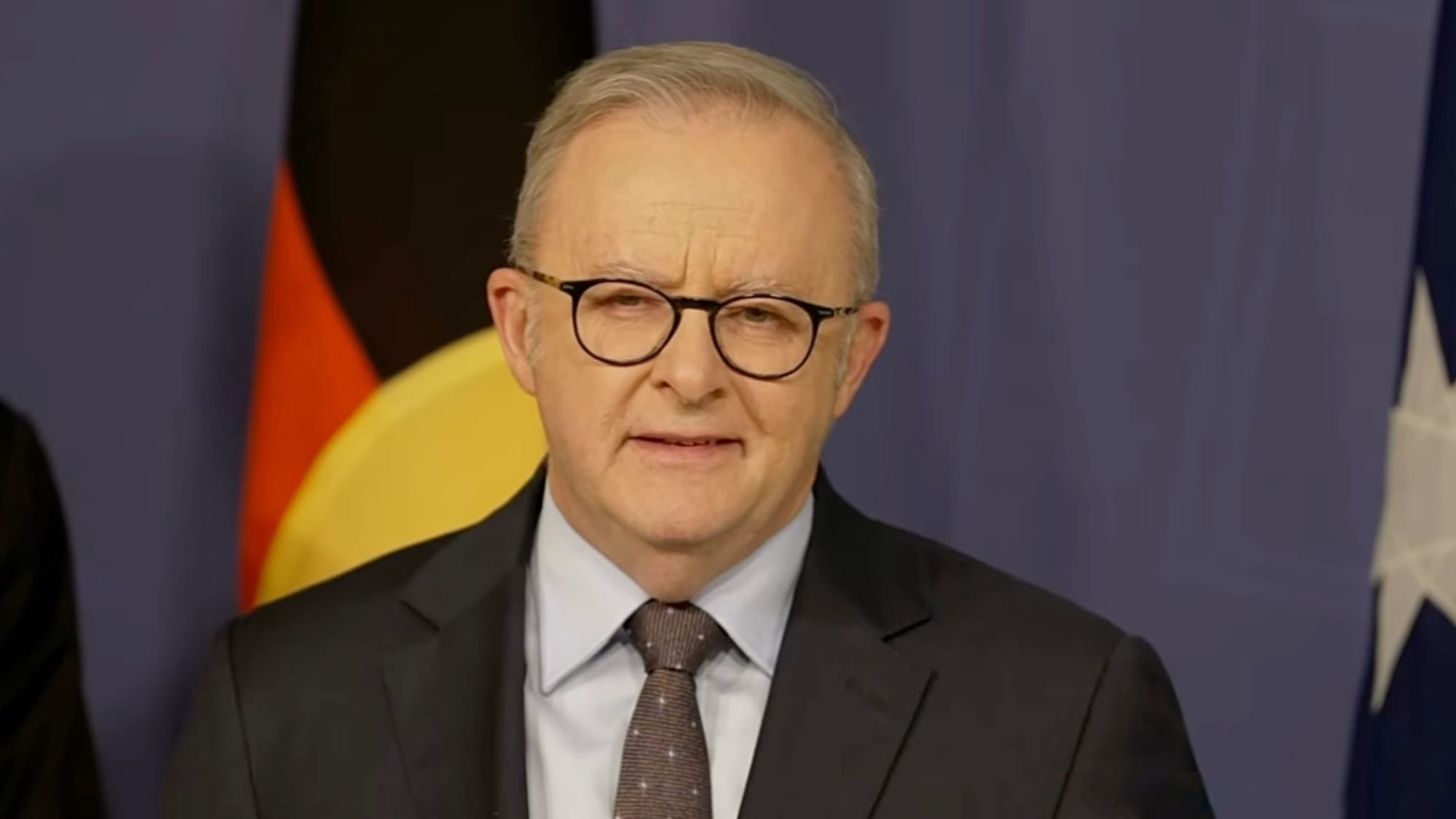
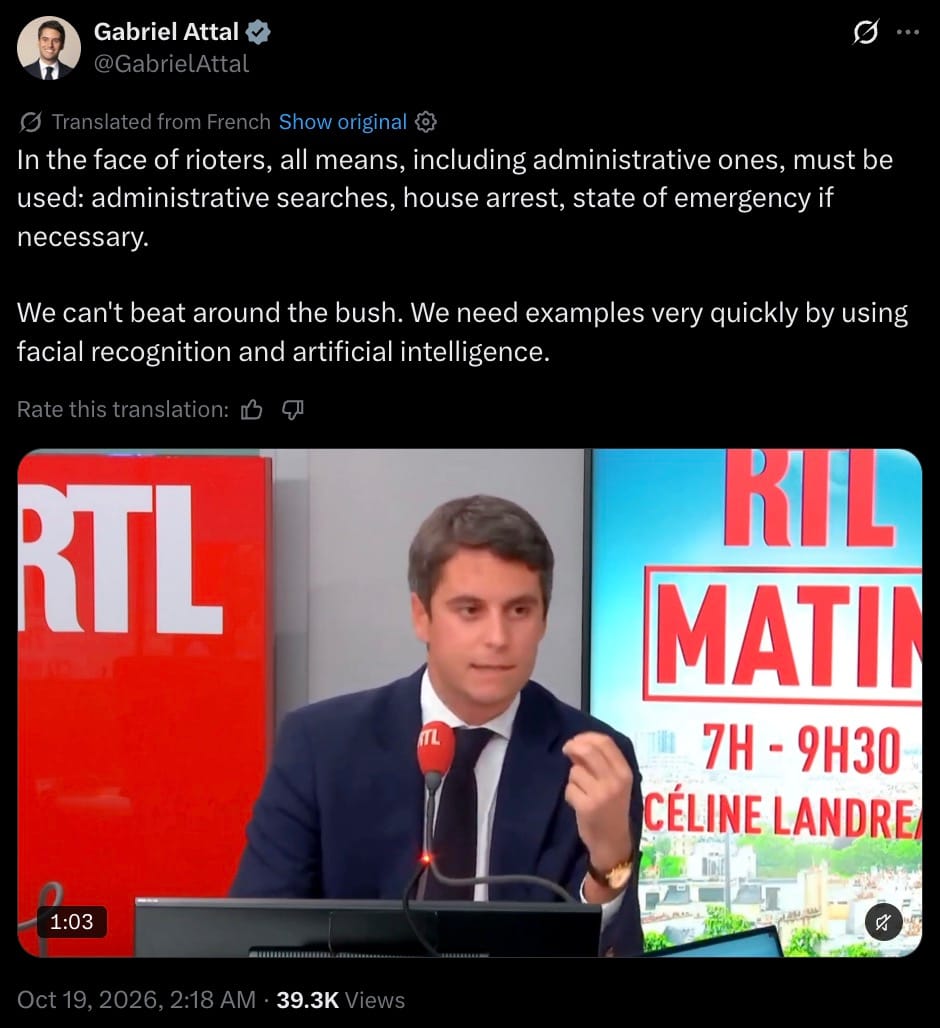
Attal, who is also the Renaissance party’s official candidate for the 2027 presidential election (Renaissance is President Emmanuel Macron’s party), made these statements during an interview with RTL Matin host Céline Landreau on Monday, October 19, 2026.
This came after the weekend of October 17-18, when protests across France turned violent on the margins, with looting reported in several cities.
Attal’s first proposal was to give the government powers to block social media during riots, and he based it on the assertion that “these mob phenomenon clearly happened through social media.”
He explained that meeting points are “organized through social media” and that “you have a mimicry being organized” – young people seeing their peers engaging in looting and then joining in, influenced by what they saw on social media.
He wants “a temporary, targeted block on the territories where the riots take place” – and on the same day, he took to X to reiterate that “during riots, we must be able to temporarily and selectively block access to certain platforms to stop the herd effect.”
Attal also referred to his own previous experience in government: “when I was Prime Minister and we had riots in New Caledonia, I made the decision to block access to a social network” – and that was TikTok, in May 2024.
Landreau’s reaction was to remind him that “by the way, the state has been condemned for this.” Attal responded, “Temporarily. The State Council said that social networks could be blocked.” Then, he added, “there was a question of proportionality.”
The Council of State, France’s highest administrative court, said in its ruling on April 1, 2025, that the New Caledonia TikTok block was simply illegal – it was a “disproportionate infringement of the rights and freedoms” of the people who challenged it.
The court said that a block can be lawful only if it is “indispensable to deal with events of particular gravity,” if “no technical means allows alternative measures less harmful to rights and freedoms to be taken immediately,” and only for “a limited duration.”
However, the court found that the government had ordered “a total interruption of the service for an indefinite period linked solely to the persistence of the disorder.”
Attal’s other proposal is to use facial recognition and AI to identify people in videos – both those taken by surveillance cameras and those posted online.
“We cannot afford to be delicate today,” he said, and then spoke about young people “on social media or online sales platforms, showing off stolen goods to resell them, we must be able to identify a number of them and go after them to set an example.”
He also wants the authorities to be able to geolocate stolen goods, such as computer equipment, and make sure that “the French and young people must see, 48 hours after the beginning of these events, that you have people who we are going to look for at their homes because they have been identified.”
How does he propose to identify them? “We will have to be able to use facial recognition and artificial intelligence to identify people via video, whether from surveillance footage or videos that are posted online.” He said he had “been advocating for it for a long time.”
On X, he again brought up the issue of setting an example, and said, “We need to set examples very quickly by using facial recognition and artificial intelligence.”
The same day, Digital Minister Anne Le Hénanff summoned representatives of online resale platforms, with the Interior and Justice ministries also present. The message was, “We expect these platforms to remove the listings in question without delay.”
Vinted said it had moved to “identify and remove listings that may concern stolen goods” and had “stepped up checks on suspicious listings.” eBay said it was offering the police “a dedicated portal.”
This is not the first time French officials react to riots by suggesting social media should be cut off, or restricted. In July 2023, after the Nahel riots, Macron floated the idea of cutting social media during such events, blaming “Snapchat, TikTok and several others.”
On October 7, 2026, the mayor of the town of Salon-de-Provence, Nicolas Isnard, wanted minors to be cut off from social media during the school protests. Lawyer Jonathan Elkaim reacted by asking, “If you deprive everyone of a communication service for the sake of a tiny minority that is only there for chaos, is that really proportionate?”
Earlier this month, Macron told the EU, “We must use the DSA much more, much faster, much more forcefully.”
France’s highest administrative court told Attal that his social media block was illegal because it was total and open-ended. His answer is to ask for the same power, with the words “temporary” and “targeted” now attached to it – and the targeted territory is wherever the riots happen to be, which in the case of a national protest is the whole country.
As for facial recognition, it doesn’t only catch looters when run on footage of protests and riots – it catches everyone in the frame. That includes protesters, people who happened to be there and recorded the events, people who live on the street. A candidate who asks for this and at the same time says the state cannot afford to be “delicate” is not exactly reassuring those people that their rights will be protected.