France’s politicians and their solutions to the current unrest in the country are getting more and more bizarre by the day.
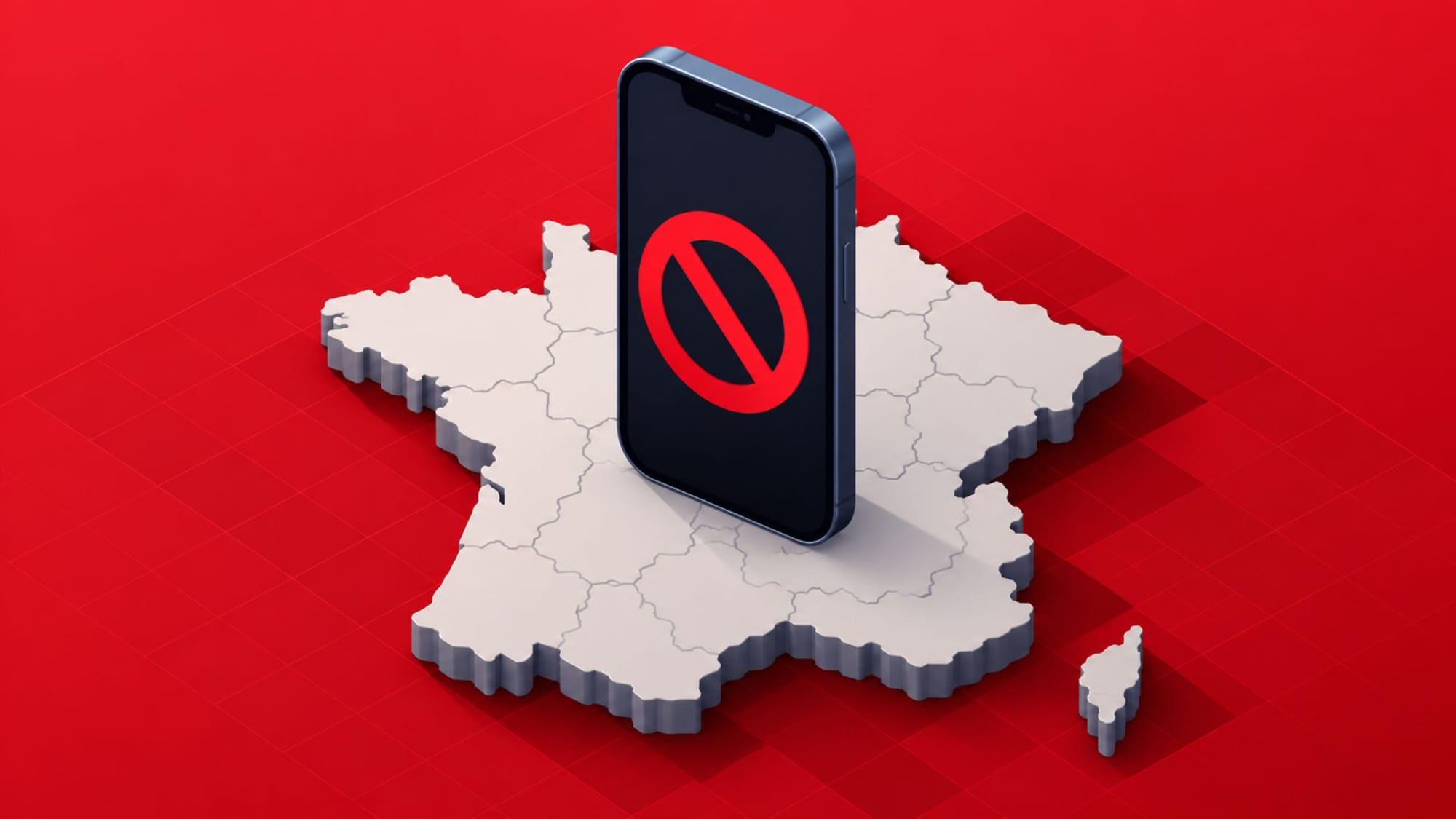
It’s not like they don’t have form – every time there’s trouble on the streets of France, it seems that someone reaches for the off switch – the one that would turn off the internet, or at least, social media.
That someone is usually President Emmanuel Macron, who last floated the idea after the Nahel riots. Back then, he was even quickly rebuked by Socialist leader Olivier Faure, who told him that France “cannot align itself with those great democracies of China, Russia, and Iran.”
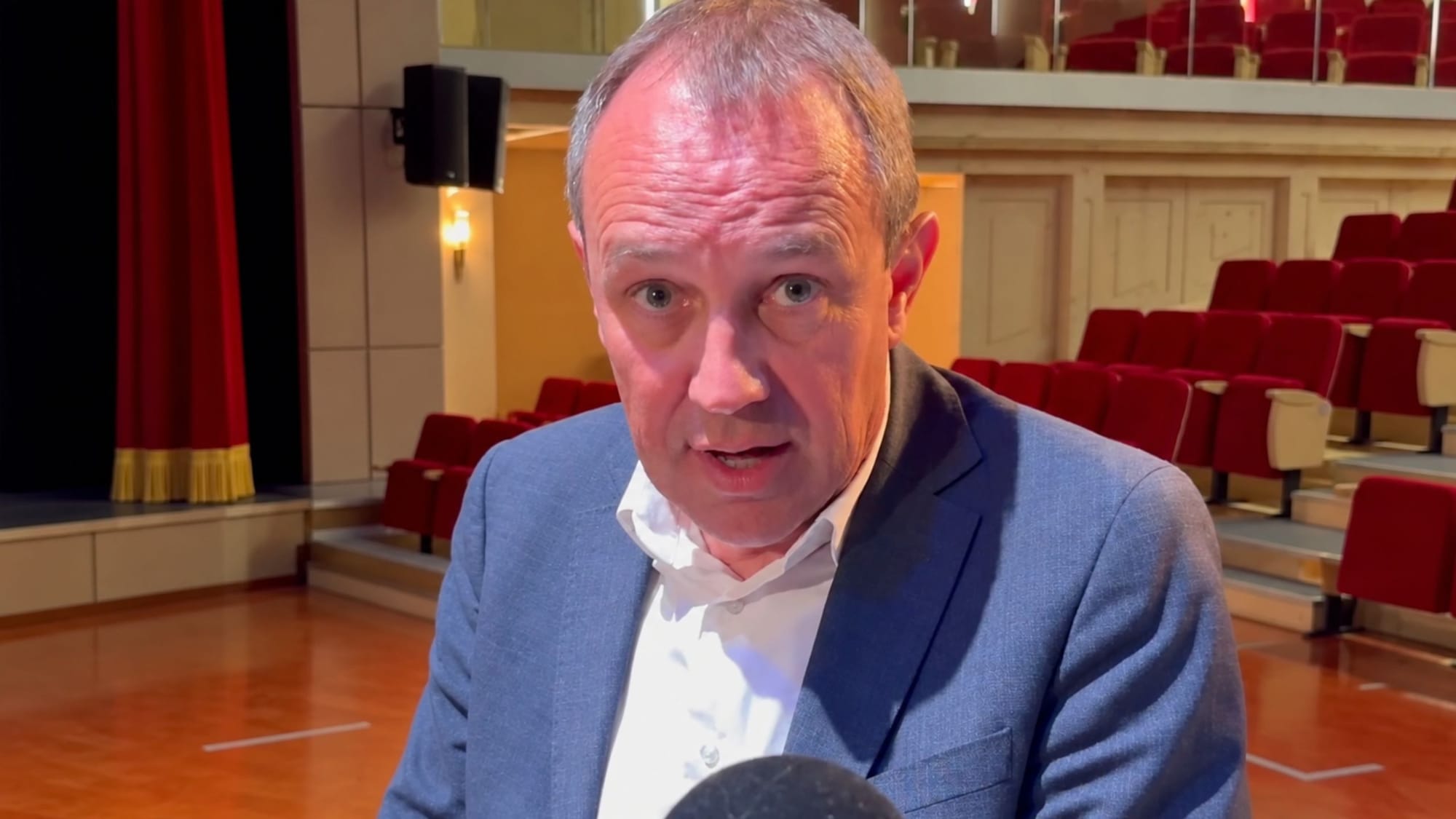
Now, mayor of Salon-de-Provence Nicolas Isnard is back with the same idea.
After a high school in his town was set on fire, Isnard said that “one or more individuals” were responsible, and proceeded to blame social media.
“There is a social media effect that is undeniable,” he told LCI. And then, “I think that in moments of radicalisation, like today’s, with these high school protests that spill over and are taken over by rioters, there should be a mechanism that would consist of cutting off minors’ access to social media for limited periods.”
Isnard admitted that would be difficult to do, but also said he was convinced that the school wouldn’t have burned down had this been done.
He also spoke about a leaflet that had been circulating, calling for a local teacher to be killed. “All the leaflets and videos circulated on these channels have an amplifying effect and push young people to commit acts of violence,” he told Le Figaro.
The protests that have been taking place in France since September 21 began as a high school students’ strike, and then spilled over into violent street clashes with police.
More than 5,000 people were arrested between September 21 and October 2, 85% of whom were minors.
In May 2024, the government blocked TikTok in New Caledonia during riots there. But on April 1, 2025, the Council of State, France’s highest administrative court, ruled that this had been illegal.
A shutdown, the court said, is legal only when “indispensable to deal with events of particular gravity,” when “no technical means allows alternative measures less harmful to rights and freedoms to be taken immediately,” and only for as long as it takes to find those alternatives.
Lawyer Jonathan Elkaim told BFM that “the whole difficulty lies in the term ‘limited duration’” – and that in any case, “most high school students who use social media to communicate are not calling for schools to be destroyed, for fires to be set or for the police to be vilified.”
“If you deprive everyone of a communication service for the sake of a tiny minority that is only there for chaos, is that really proportionate?” he asked.
“We are touching a fundamental freedom, freedom of expression, and there would quickly be a legal challenge, as there was with New Caledonia,” Elkaim added.
Another lawyer, Alexandre Archambault, explained that “blocking a website, and all the more so a platform used daily by several tens of millions of people, is strictly regulated.”
Fabrice Epelboin, meanwhile, told RMC that Isnard’s proposal is “a real threat to the rule of law.”
France’s Constitutional Council in August struck down another of Macron’s ideas – to ban children under 15 from using social media – as “disproportionate.”
It’s hard to see how cutting off the internet or social media to an entire generation, as a means of maintaining public safety, would be any less so.