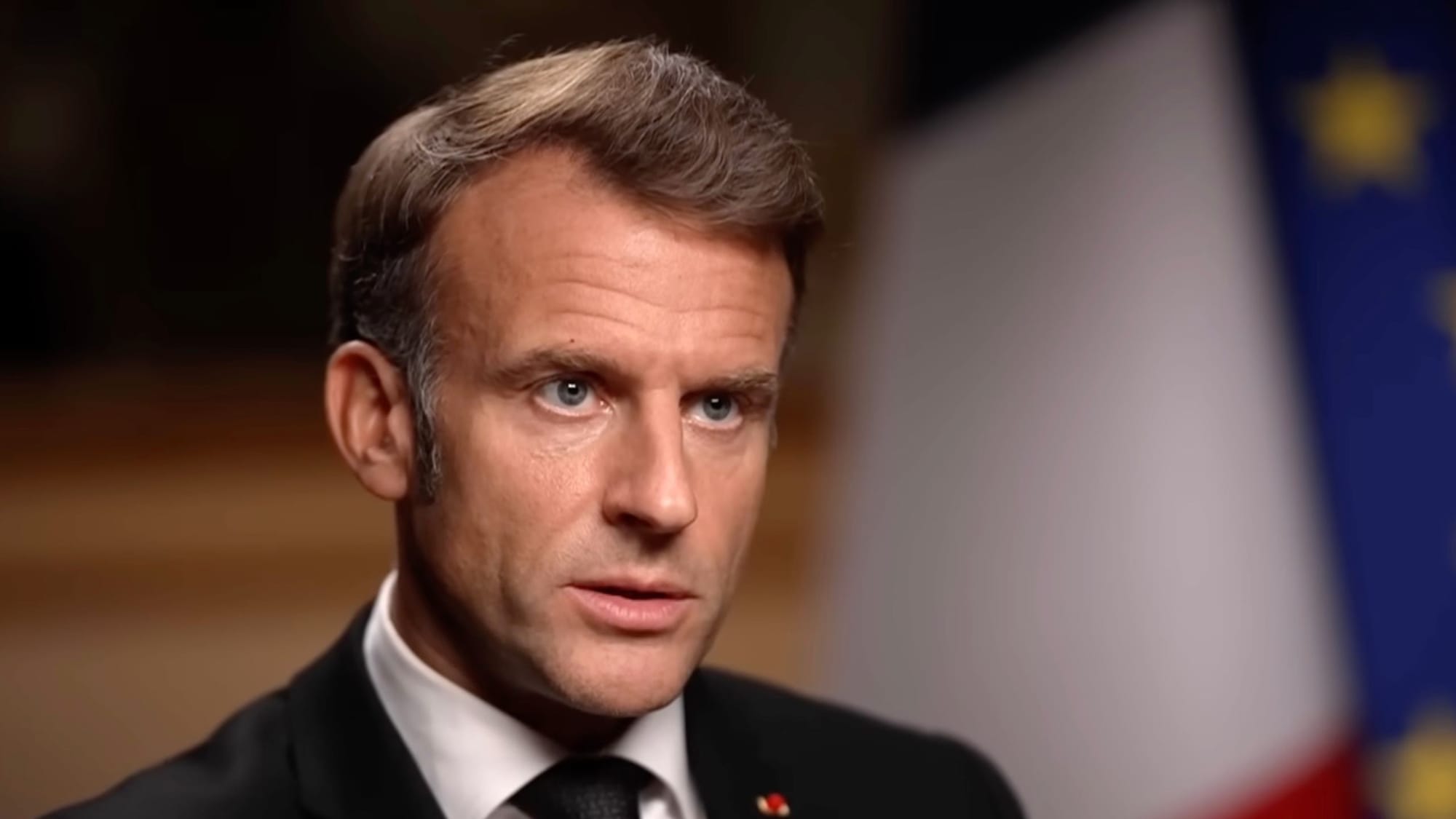
French President Emmanuel Macron is not giving up on the idea of banning children under 15 from social media and introducing digital ID checks for all, and is now hoping to achieve this through EU legislation, after France’s highest constitutional authority rejected his domestic bill as unconstitutional.
There’s more than one contradiction here. The French president is trying to outsource to the EU what he couldn’t achieve at home, but at the same time, he is not ready to give up on a revised domestic law either.
Macron has written to European Commission President Ursula von der Leyen asking for a new EU law that would apply to all member countries, and “harmonize” the ban on under-15s using social media.
He wants this done ASAP, as “the urgency is there,” and he claims that there is already “a numerical majority” of EU countries that would support such a measure. Macron also wants the EU to go beyond simply setting a minimum age, and to regulate “addictive functionalities” and impose safety-by-default settings, such as time limits.
Meanwhile, back in France, the Constitutional Council on August 14 rejected the original bill as “disproportionate” and unconstitutional. The court observed that enforcing the ban would require not only children but every person seeking access to social platforms to be subject to age verification.
This is because a platform cannot possibly know who is under 15 unless it checks everybody, to find out who is an adult or an older teenager who is allowed to use the service. This is how the attempt to restrict online speech and access to information based on age inevitably turns into an issue of broader ID and/or age verification, affecting all users.
The French president’s reaction to the setback at home has been to say that he would try to find a way to pass a revised bill during the fall of 2026, with the goal of having it operational before the end of his presidential term in spring 2027.
And in the meantime, he has turned to the EU, asking the Commission to work on a law that would achieve the same goals, but this time across the entire bloc.
In July, von der Leyen said that the Commission would come up with online restriction proposals after the summer, and that these would include age-gating – but that was before Macron’s domestic bill was rejected, and before he asked her to take up the issue at the EU level.
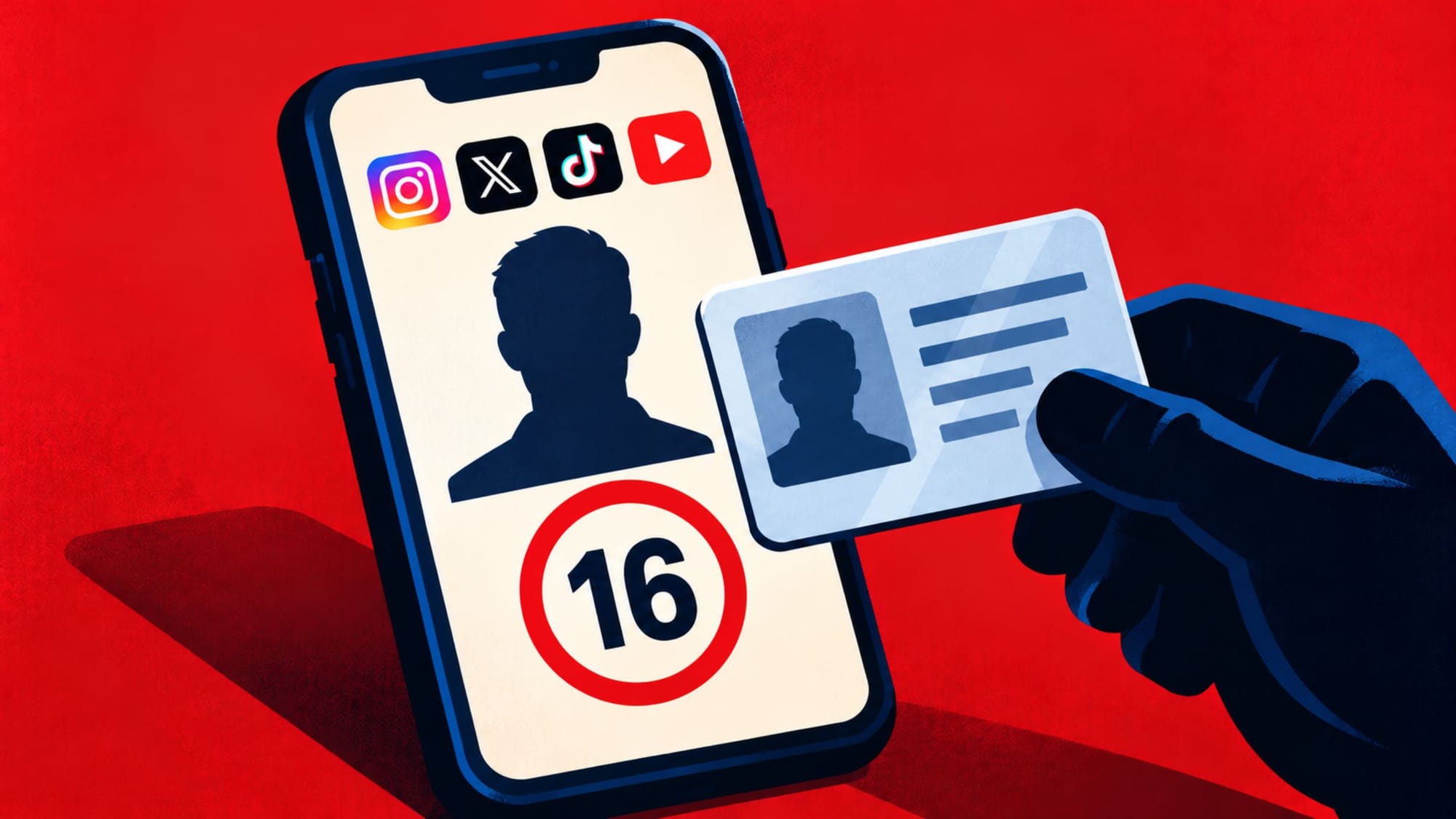
An under-15 ban is, in reality, an age-verification mandate for everybody, as the only way to enforce it is to introduce systems that will distinguish between those under 15, those above that age but still minors, and adults. The goal may be to protect children, but the method raises the question of how to ensure that only eligible users are allowed to speak online – by verifying the age of every user.
While age-assurance systems may not necessarily reveal a person’s exact date of birth, but rather only the fact they are above a certain age, and may not store identity documents or create a central database, they still introduce a gatekeeping signal that a platform uses when deciding whether to grant access.
Von der Leyen has not yet announced that the Commission will act on Macron’s request, but even if it does, and succeeds in passing a bill, the problem of how to enforce it remains.
For any law, whether passed in France or at the EU level, to work, social media platforms will still have to come up with a reliable way to keep the under-15s out.