Britain’s government has decided that a functioning adult with thumbs and a phone cannot be trusted to pick your own news. So it has drawn up a plan to pick it for you.
The Department for Culture, Media and Sport published a paper on June 23 proposing that social media platforms and video sharing sites be forced to push a hand-picked list of broadcasters to the top of your feed.
The list runs BBC, ITV, STV, Channel 4, S4C and Channel 5. The government files them under “public service media.” You might file them under the channels people have spent two decades scrolling away from.
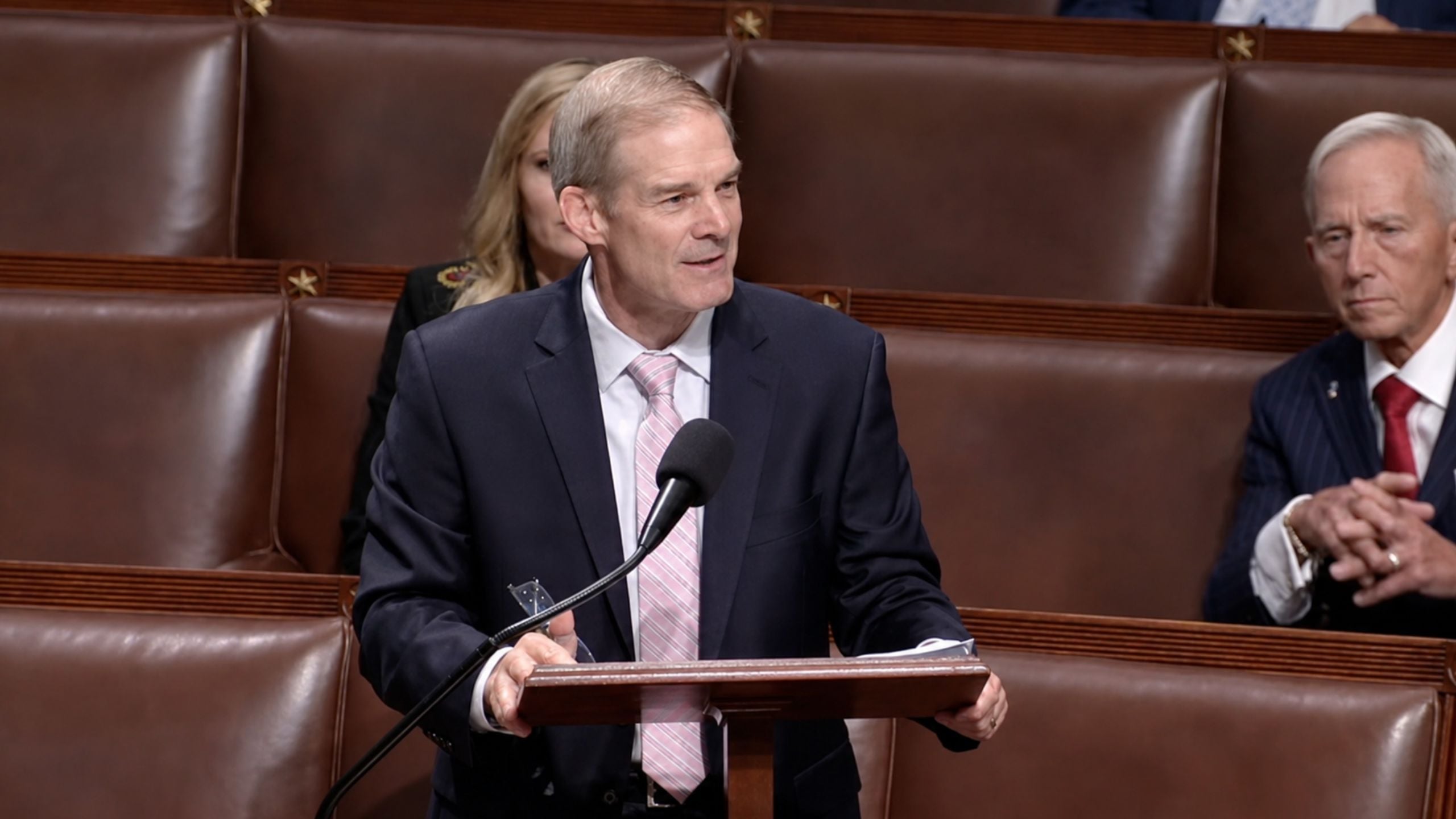
Now the argument has crossed the Atlantic. House Judiciary Committee Chairman Jim Jordan sent Culture Secretary Lisa Nandy a letter on July 14 warning that the plan “would serve as a major threat to online speech and expression and infringe on the rights of American companies and their users.” He wants a briefing by 10 a.m. Washington time on July 28.
We obtained a copy of the letter for you here.
The platforms being ordered around are American. Their users are everywhere. A British minister rewriting how YouTube ranks video reaches straight into feeds in Ohio and Osaka.
The DCMS says the goal is to help people “discover trusted news sources” and to fight “misinformation” and “disinformation.”
Translated, the state has chosen your news and would rather you stopped wandering off. Who gets to decide what counts as “trusted”? The same government running the scheme, of course.
The paper leans on real numbers. Ofcom found that social media is now the main news source for 51 percent of adults and 75 percent of people aged 16 to 24. People left. The government’s response is not to ask why they left. It is to guarantee the approved broadcasters a spot at the top while everyone else scraps for whatever attention is left over.
The trick lies in the technology. On television, “prominence” is old furniture. You can legally park BBC One near the top of the channel guide, and the Media Act 2024 dragged that habit onto smart-TV home screens. A recommendation feed works nothing like a channel list. It sorts content in real time by what you personally watch, click and share. Forcing “prominence” onto that means reaching into the ranking and hoisting chosen publishers above where your own behavior left them. Less a nudge, more a shove.
Think about who loses the slot. There are only so many places at the top of a feed. Every one handed to a state broadcaster is one taken from somebody who earned it. That’s the independent reporter filming in her kitchen, the local outlet sitting through the council meeting nobody else will, the upstart who built an audience the hard way. All shoved down the list so a government pick can take the seat instead.
And what a pick. The star of this “trusted news” scheme is the BBC, whose director general and head of news both resigned last November after a Panorama documentary spliced separate pieces of a Trump speech so creatively that the broadcaster’s own internal report found it “materially misled” viewers. That is the outlet Britain wants to plant at the top of your feed by law, in the name of accuracy.
YouTube has already said no. David Wheeldon, a senior public policy executive at the company, wrote that prominence rules “could force YouTube to give special treatment to a small group of organizations hand-picked by a government. For creators and media companies that are not chosen, the risk is real.”
He went on. “By forcing these channels to the front of the line, everyone else gets pushed back, regardless of what viewers actually want to see. This makes it harder for creators to grow an audience and earn a living. If governments start picking the winners, independent creators become the losers.”
The plan also arrives dressed up as “voluntary.” Platforms could be asked nicely first, with legislation kept in a drawer for whenever they decline to play along. That is a generous use of the word voluntary.
The government’s own paper flags the danger without meaning to. It names “times of social unrest or crisis” as exactly when the state most wants a grip on which outlets people see. Read plainly, that is a government reserving the power to manage the information supply at the very moment citizens most need to hear things it would rather they didn’t.
Jordan’s letter lands on the same nerve, warning that branding disfavored views as misinformation during unrest chills speech the government finds inconvenient. Britain has a track record here, having already leaned on people for what they posted while the country was on edge.
Jordan’s committee has spent two years documenting how European rules reach across borders to police American speech, and how “misinformation” and “disinformation” keep stretching to cover whatever those in charge dislike this week.
The plan might not even survive. Keir Starmer is on his way out of Downing Street, and the policy could leave with him. The appetite behind it will not. Prime ministers come and go like shift managers clocking off after a bad night. The urge to decide what grown adults are allowed to see signs a much longer contract.
The consultation runs until August 31. After that, Britain gets to learn whether “trusted” news means news you can trust, or news you are simply made to see.