Eight Greeks whose phones were cracked open by Predator spyware want the company that made it to pay. Last week they filed suit in Athens against Intellexa and 13 people tied to the firm, founder Tal Dilian among them, asking for one million euros each. The claim adds up to roughly €8 million, about $1.1 million per person, for the years someone spent reading their lives without permission.
Their lawyer, Zacharias Kesses, said the eight are seeking damages for “the unlawful violation of their private life, the confidentiality of their communications, and their personal data.” Each of them had a device infected between 2020 and 2021, when Predator was slipping into Greek phones with help from inside the state.
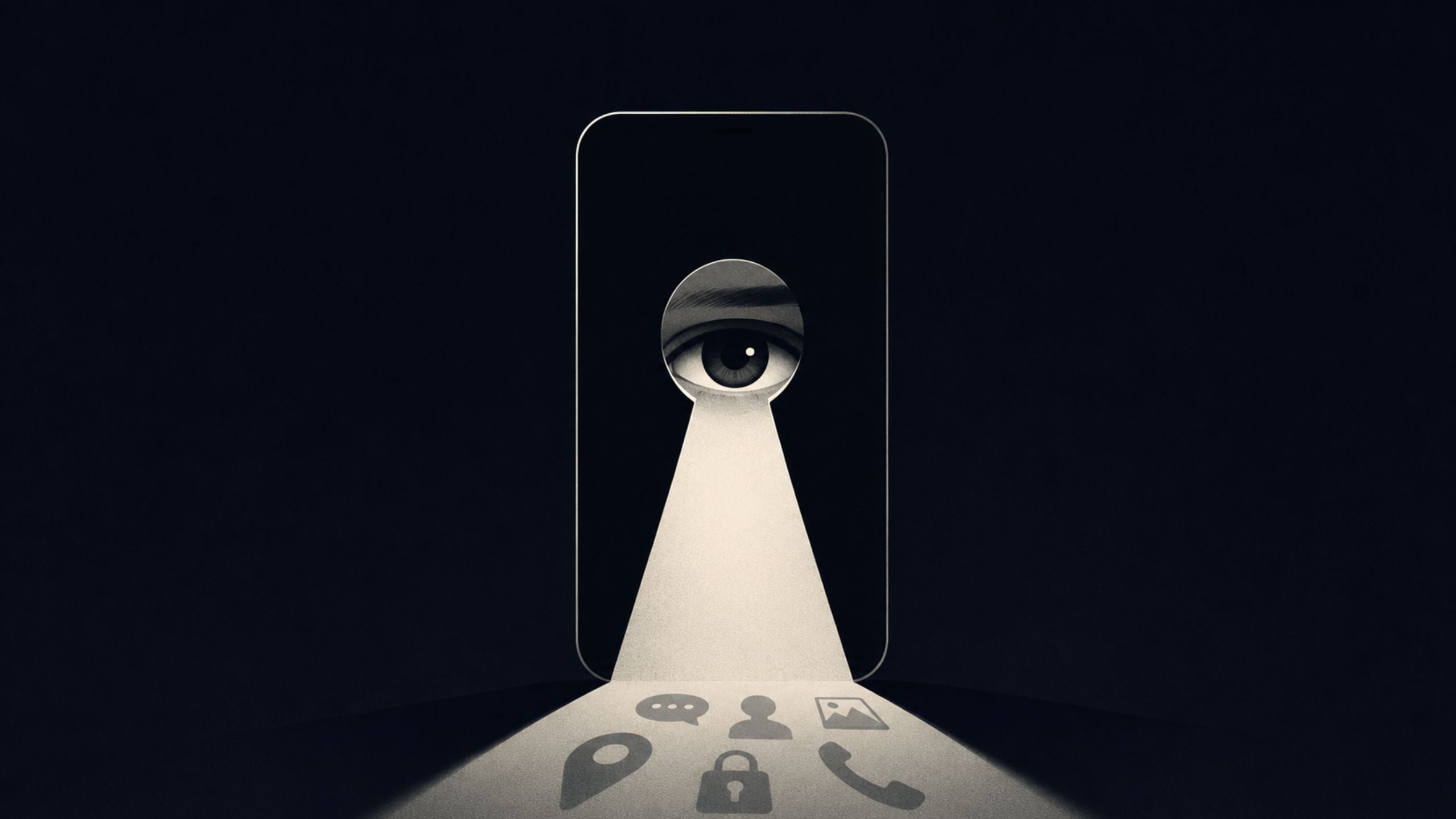
Predator does not need its target to tap anything because once it lands, it turns a phone into a live microphone and an open file drawer, handing over messages, photos, passwords, and location to whoever is paying for the feed.
The wider scandal earned the name Predatorgate. Around 87 people were caught up in it, some through old-fashioned state wiretaps, others through Predator infections that sometimes took hold and sometimes only got as far as an attempt.
The targets were not fringe figures. They included Nikos Androulakis, who now leads the opposition PASOK party and ran the third-largest party in the country when his phone was marked. Journalists were on the list. So were military officers, business figures, and Artemis Seaford, an executive at Meta.
When the story broke in 2022, it cost Greece the head of its EYP intelligence service and the prime minister’s chief of staff, both pushed out as the trail ran toward the government. Predator, sold as a tool for chasing criminals and terrorists, had been turned on a sitting politician, on reporters, and on people whose only offense was standing close to power.
A criminal court reached the makers first. This February, judges in Athens found Dilian and three associates, Sara Hamou, Felix Bitzios, and Yiannis Lavranos, guilty of breaching the confidentiality of telephone communications and illegally accessing information systems. Each drew a sentence of 126 years and eight months, capped at eight years under Greek law and frozen while they appeal.
John Scott-Railton, a senior researcher at the University of Toronto’s Citizen Lab, called the ruling a first. “This is the first time that an executive at a mercenary spy company has been convicted and sentenced to prison,” he said. For an industry that sells silence and deniability as selling points, a courtroom reading out names is the outcome it has spent years and a lot of money avoiding.
The civil case running alongside asks a different question, not whether the surveillance happened but what a stolen private life is worth. All eight plaintiffs are people whose phones tested positive for the spyware, which gives their claim a forensic spine that is hard to wave away. Dilian and his co-defendants plan to appeal the criminal verdict. The damages suit is expected to be heard in April 2027.
Money will not un-see what Predator saw. The messages, locations, contacts, and calls it pulled off those phones are already gone, copied and handed down a chain that ran through private contractors and, the evidence suggests, parts of the Greek state itself. A one-million-euro demand puts a number on a business model that always assumed the bill would never come.