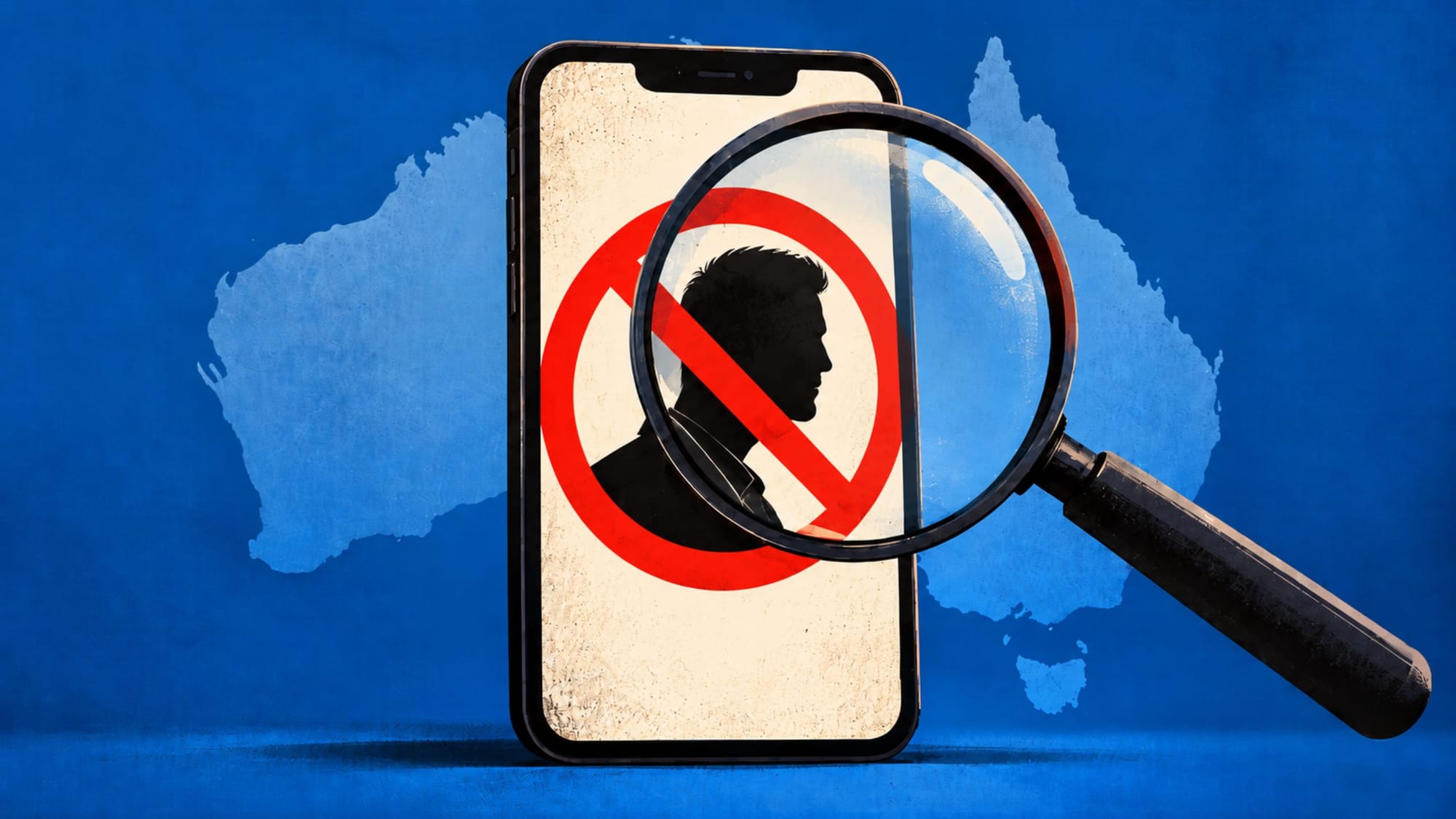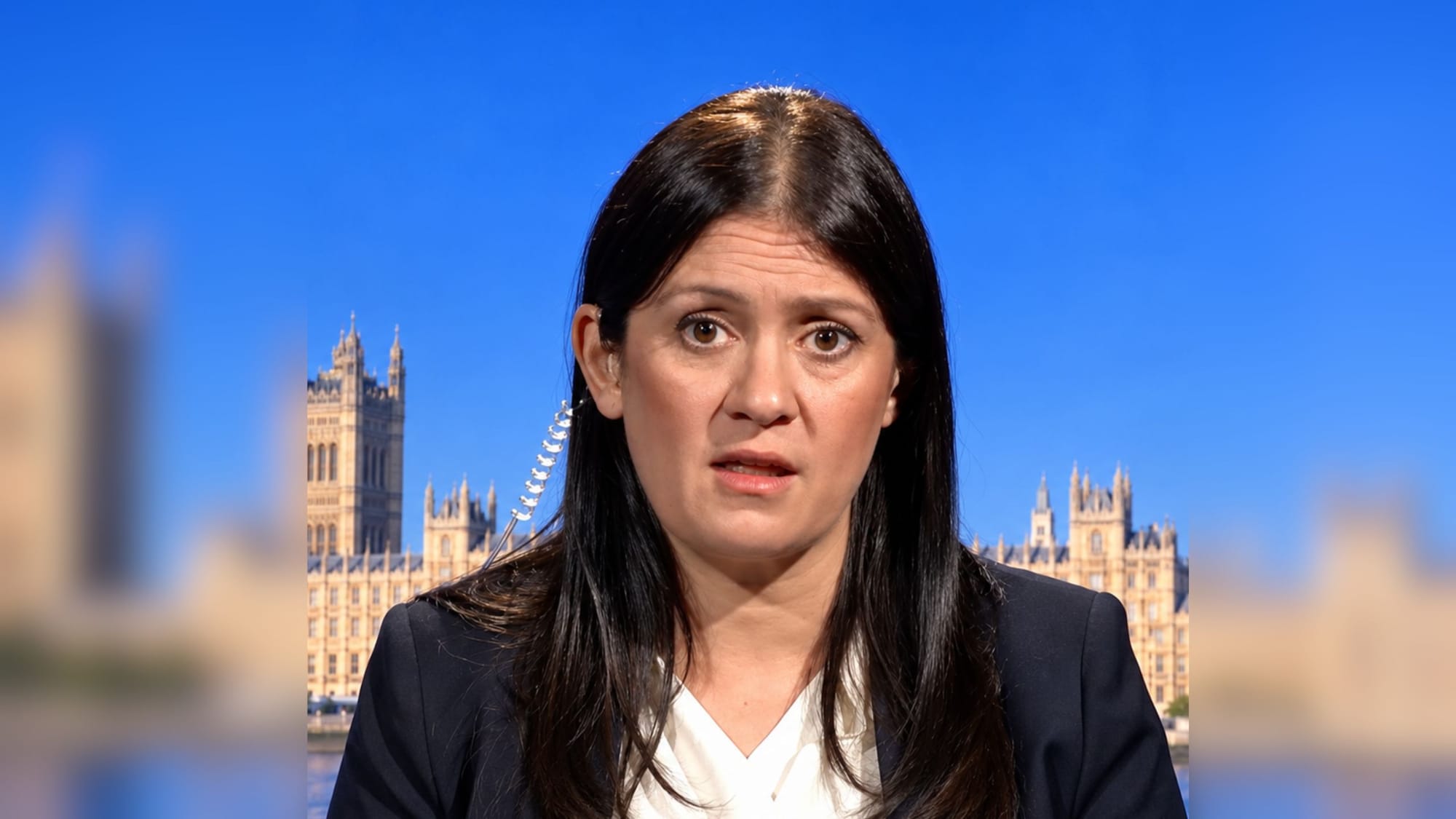
UK Culture Secretary Lisa Nandy has revealed that the incoming rules that will see apps and features blocked to people in the UK unless they provide their age will start coming into force in March 2027.
The plan to introduce age verification across the board is a Labour Party policy, and Nandy, who took the online safety brief after Andy Burnham became Prime Minister, was speaking at an event at the Labour conference in Liverpool.
As for the rules that will come into force in March 2027, she said, "We're going to do proper, comprehensive legislation so that it doesn't just incorporate the specific apps, it incorporates the features that we believe are not safe."
The route the government has chosen is to use secondary legislation under section 70 of the Children's Wellbeing and Schools Act 2026, which amends the Online Safety Act.
Ministers are expected to lay the new rules before Parliament by the end of this year. However, no day in March was specified.
Section 70 of the Act, whose very title says it gives the power to "prevent or restrict access by children to internet services," defines a "relevant child" as "a child who is of, or under, a specified age (and different ages may be specified for different purposes)."
Another part of the section lets the regulations cover "specified functionalities or other features."
The new rules concern apps and their features that the government decides are not suitable for under-16s. To keep this demographic off these apps, however, the age of every user must be verified. This is a point that is often lost in reports about age verification - it is not just about keeping children off apps, it is about introducing an ID check for every user, including adults.
The age verification push was one of the policies supported by Burnham before he took over the government, and we reported about it at the time. In fact, back in April, Burnham said he would ban social media for children and introduce digital ID.
Nandy said that the government will compile a list of apps that will be subject to the rules, and that the legislation will also name specific features.
Companies will be able to get off the list if they "change," as Nandy put it.
"So there will be a way for companies, if they want to innovate and they want to change, to be able to get themselves essentially off that list. But that's up to them. We believe that's their choice," Nandy added.
Nandy, who spoke about "safety by design" and "safety by feature-led approach," explained that the government's list of apps and features will be compiled by the Secretary of State and will be reviewed and updated every year.
"If platforms do earn an exemption, that should be stretching. It should be reviewed. It should be added to, I think, every year. And I think for us, we would see the Secretary of State being the ones who then compile that list," she said.
Nandy also revealed that the Labour government sees its role as essentially that of a regulator who will also "step up" to play a part in the private sector's business.
"We believe that it is uniquely wrong that we have allowed the online spaces to be treated as private spheres, policed and regulated only by the private sector," she said.
Reclaim The Net has been tracking the Children's Wellbeing and Schools Act as it was making its way through Parliament.
Meanwhile, the US has been critical of the UK's online ID scheme, while at the same time nine US states have expanded their own age verification checks.
We also reported about the chaos that ensued when Apple users in the UK encountered problems as the company rolled out its version of age verification, scanning faces and rejecting passports in the process, and switching on content filters without asking.
Nandy also promised that the new rules will "change the rights of children forever."