
Topic: chat control
Chat control refers to government initiatives aimed at monitoring private communications through messaging apps and platforms. These measures pose significant threats to privacy and free speech, as they often involve mass surveillance tactics that undermine individual liberties. Recent developments in the EU highlight ongoing efforts to implement chat surveillance despite widespread opposition and concerns over the implications for encrypted communication.
-
EU Brings Back Chat Surveillance, Even As More MEPs Vote No
Every empty chair in Strasbourg counted as a vote for the surveillance nobody in the room had the numbers to…
-

EU Parliament Revives Chat Surveillance for Thursday Vote
Killing the regime needs an absolute majority and depends on who bothers to stay through the final sitting before the…
-
Brussels Could Reopen the Fight to Scan Your Private Chats
Lawmakers killed this in March but Brussels is back four months later asking for a do-over.
-

France’s Own Hack Is the Best Argument Against Its War on Encryption
The encryption on Tchap did exactly its job, which is more than can be said for the government running it.
-

Starmer Calls for Spyware on All Phones
It is sold as a child-lock and built as a search warrant for every phone in the country.
-

What to Like and What to Question About Europe’s New Open Source Office Push
The same governments selling you a sovereign office suite are the ones legislating their way past the encryption it would…
-
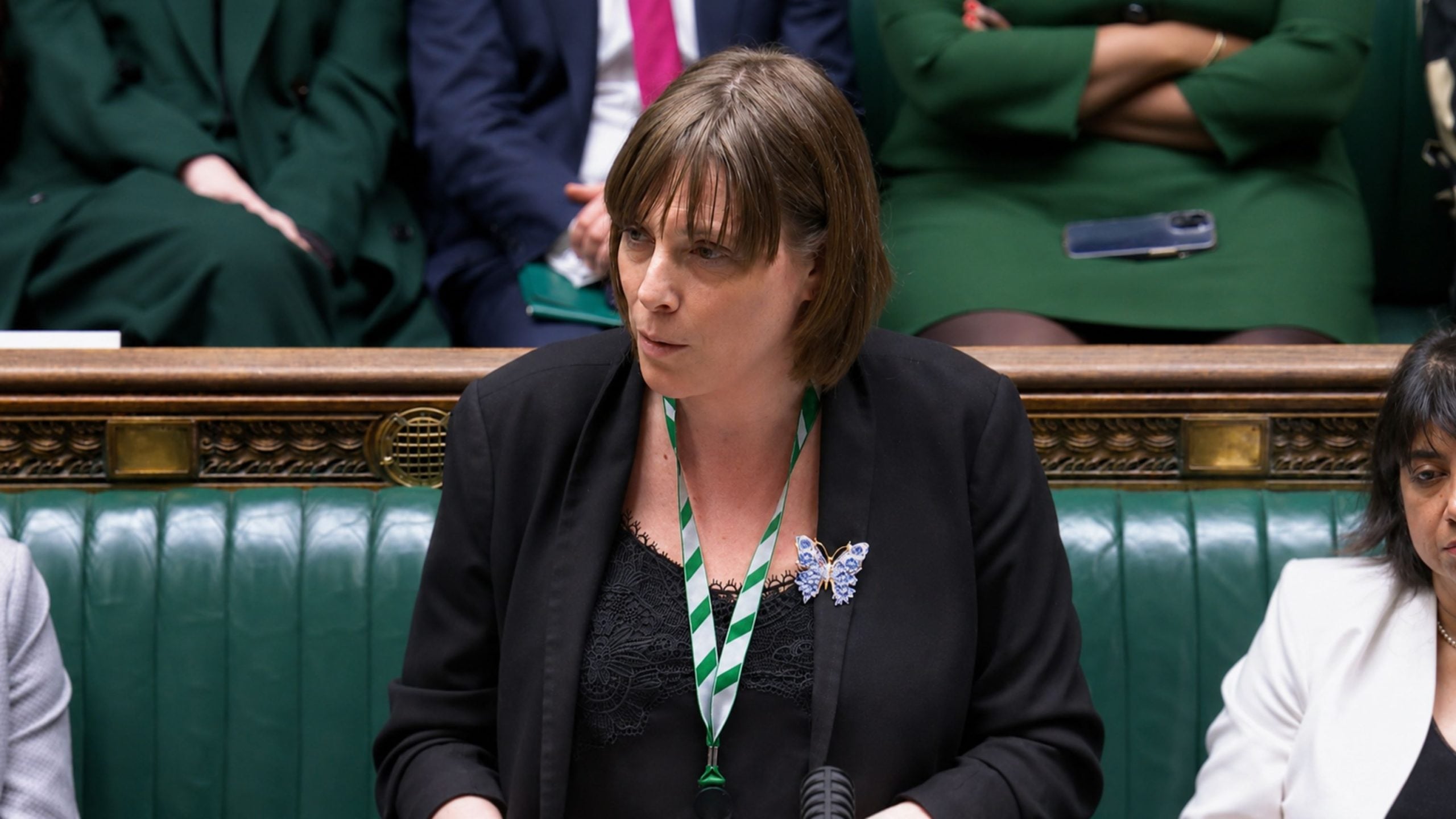
Jess Phillips Resigns, Pushes Phone Scanning Law in UK
A departing UK minister used her resignation letter to demand device-level photo scanning on every phone in the country.
-

European Parliament Rejects Mass “Chat Control” Surveillance by Single Vote
The EU’s own data showed the scanning system failed to produce a single measurable link between mass surveillance and actual…
-

Chat Control: EU Parliament Blocked One Form of Mass Surveillance, But Is Pushing for Another
Parliament won the battle over mass scanning, but the version of this law that actually passes could still harm encrypted…
-
EU Defends Censorship Law While Commission Staff Shift to Auto-Deleting Signal Messages
Brussels is pursuing Chat Control to surveil private communications while its own enforcers retreat deeper into encrypted, self-destructing ones.
-

EU Law Could Extend Scanning of Private Messages Until 2027
By extending Chat Control while calling it restraint, the Parliament treats permanent surveillance as the new baseline.
-

EU Push to Make Message Scanning Permanent Despite Evidence of Failure and Privacy Risks
A policy designed to test its own limits now pretends those limits don’t exist.