A senior European Union official responsible for enforcing online speech rules is objecting to what he describes as intimidation by Washington, even as his own agency advances policies that expand state involvement in digital expression and private communications.
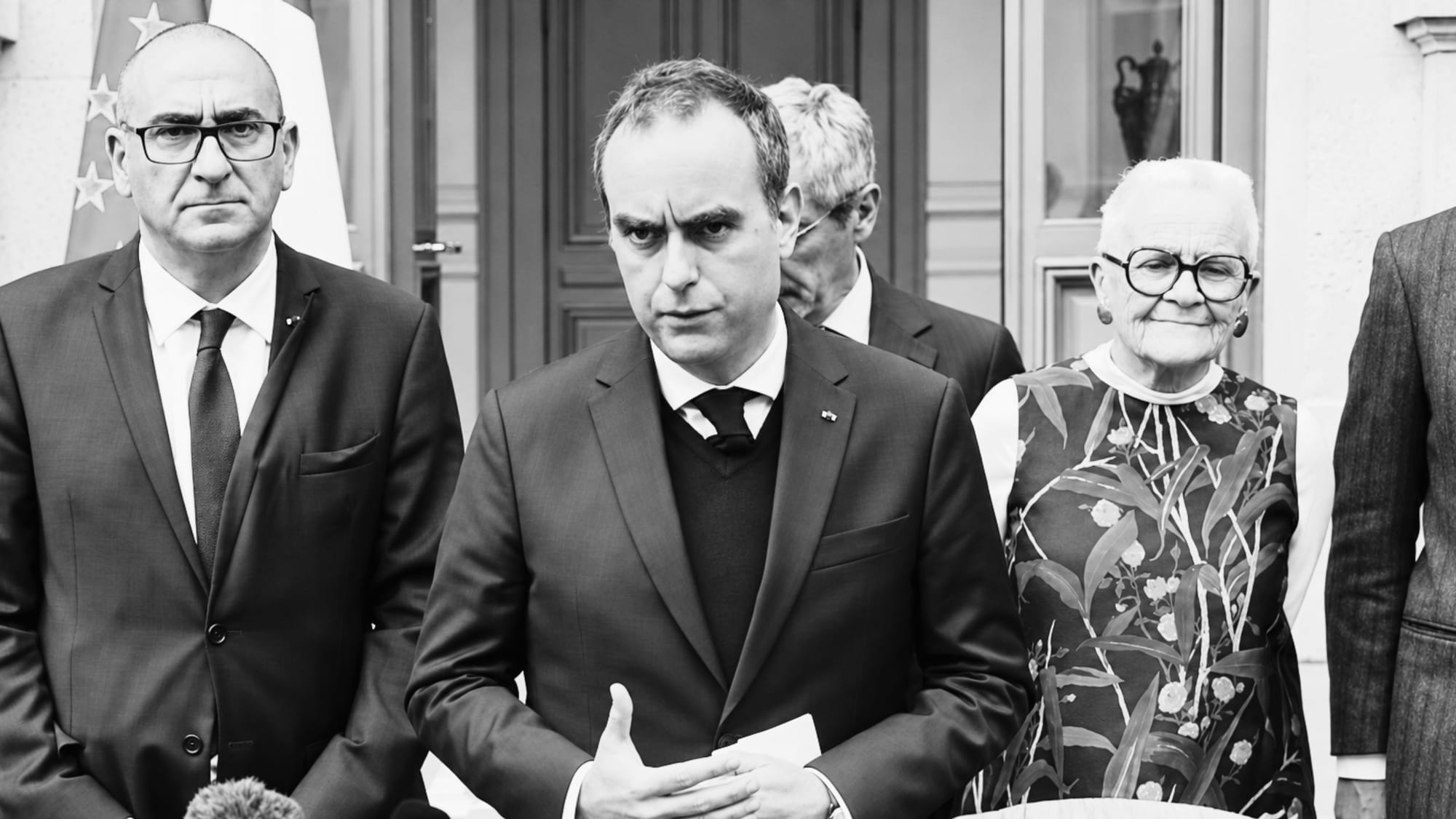
Speaking Monday at the University of Amsterdam, Prabhat Agarwal, who leads enforcement of the Digital Services Act at the European Commission, urged regulators and civil society groups not to retreat under pressure from the United States. His remarks followed the February 3 release of a report by the US House Judiciary Committee that included the names and email addresses of staff involved in enforcing and promoting Europe’s censorship laws.
“Don’t let yourself be scared. We at the Commission stand by the European civil society organizations that have been threatened, and we stand by our teams as well,” Agarwal said, as reported by Politico.
The report’s publication came shortly after Washington barred a former senior EU official and two civil society representatives from entering the United States. European officials interpreted those moves as an effort to deter implementation of the DSA, the bloc’s flagship content regulation framework governing large online platforms.
The DSA establishes compliance obligations for major technology companies. Enforcement decisions, including a recent massive fine against X, depend on investigations by Commission staff and documentation submitted by outside organizations.
Using its own logic, Brussels maintains that this regulatory structure ultimately protects freedom of expression by reducing manipulation and abuse.
The White House and members of Congress take a different view, arguing that the DSA creates formal channels for governments to pressure platforms to remove lawful speech. Public figures such as Elon Musk have characterized the regime as institutionalized censorship.
Agarwal described his team’s work as facing growing resistance. “Our work” is “more difficult, more adversarial” than anticipated, he said. The broader dispute with Washington, he added, is “much bigger than the DSA itself,” explaining that “It has to do with the intellectual space that we [as Europeans] occupy.” Europe, he continued, must “defend a space in which we can actually debate things that are important for our society.”
Colleagues, he said, have shifted internal communications to Signal, using encrypted messages set to disappear automatically, with the “auto-delete timings getting shorter.”
That’s particularly interesting because the same Commission that is directing platforms to police speech and comply with extensive transparency reporting obligations is now relying more heavily on ephemeral messaging tools for its own internal discussions.
Public officials operating under European transparency and access to documents rules are generally expected to conduct official business in ways that preserve records for potential freedom of information requests. Whether auto-deleting messages satisfy those obligations remains an open legal question.
The European Commission’s leadership circulated an internal email, later seen by reporters, assuring staff whose names appeared in the congressional report that the institution would protect them from threats.
Yet Agarwal did not address the Judiciary Committee’s central allegation that EU authorities have pressed US companies to moderate speech originating in the United States.
The controversy unfolds alongside other EU initiatives with significant privacy implications. The DSA includes age verification and risk mitigation requirements that can require platforms to collect additional user data. Separately, Brussels is pursuing an expansion of so-called Chat Control measures, building on a 2021 temporary derogation from the ePrivacy Directive that permitted providers to voluntarily scan communications.
That earlier measure did not mandate breaking end-to-end encryption, but proposals to broaden monitoring authority have generated concern among digital rights advocates who view them as steps toward routine scanning of private communications.
It’s interesting that the Commission’s leadership is hiding its communications by relying on the same technology that it is otherwise seeking to destroy.
Transparency debates are not new within the EU institutions. Commission President Ursula von der Leyen has previously faced allegations related to deleted messages in the context of high-level negotiations, reinforcing longstanding disputes about record-keeping standards at the top of the EU executive.