
Topic: Clarence Thomas
Justice Clarence Thomas has been a prominent figure in discussions surrounding free speech and digital rights, often advocating for reforms related to Section 230 and the responsibilities of Big Tech platforms. His positions have sparked debates about censorship, online privacy, and the balance between regulation and individual liberties. The implications of his judicial philosophy are significant for those concerned about the future of free expression in the digital environment.
-
Supreme Court Blocks Music Industry’s Push to Cut Millions Off the Internet Over Piracy Claims
Supreme Court unanimously rules Cox Communications not liable for subscriber piracy in Sony Music Entertainment case.
-
Supreme Court Greenlights Online Digital ID Checks
The endorsement of digital ID laws that could quietly redraw the boundaries of privacy and speech.
-
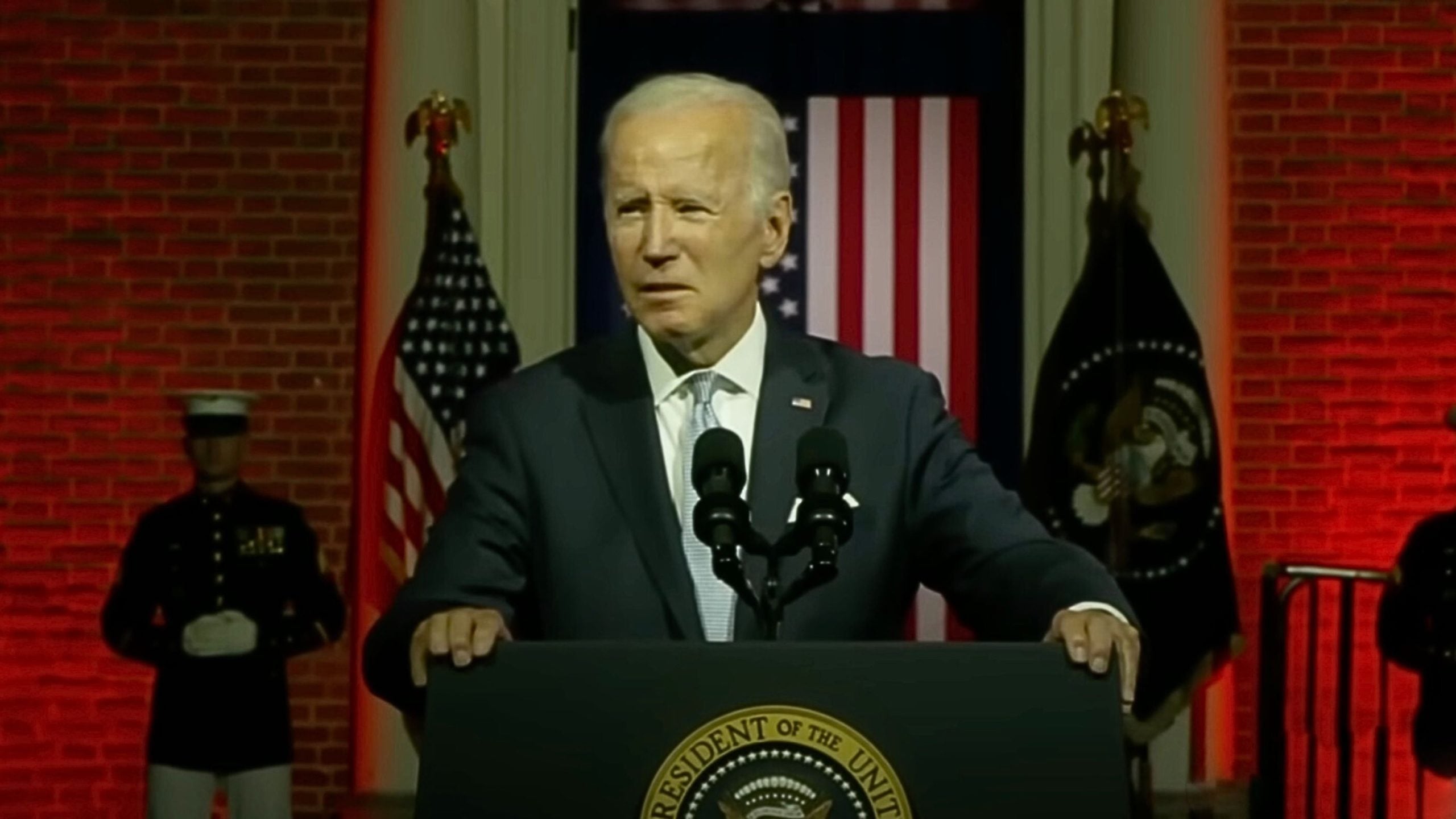
Supreme Court Sides With Biden Administration Over Accusations of Social Media Censorship Pressure
Major implications for free speech.
-
Supreme Court Upholds “Actual Malice” Requirement of Defamation Cases
Upholding New York Times v. Sullivan.
-
-
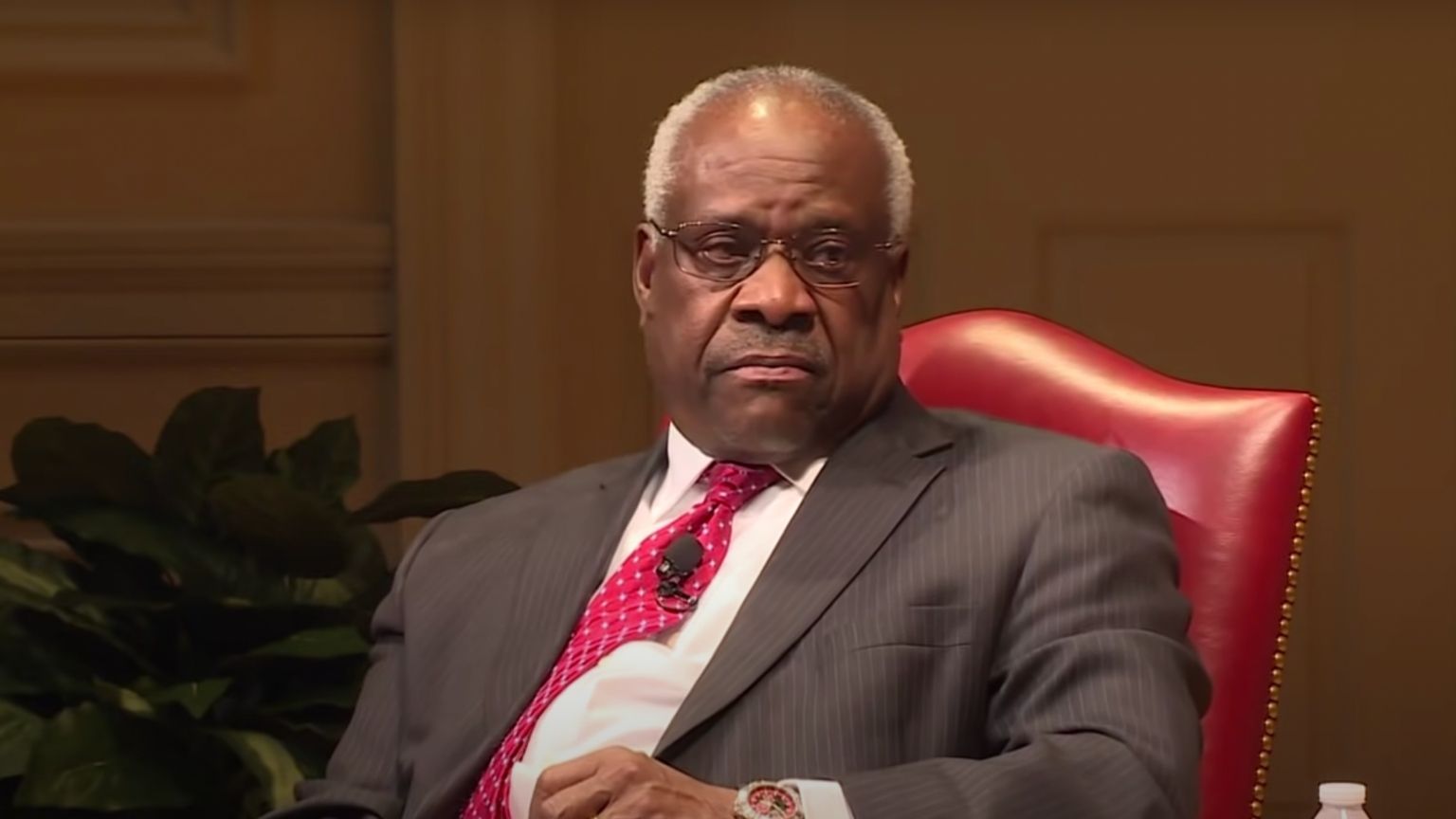
Justice Clarence Thomas wants the Supreme Court to take up Section 230 case
Thomas believes the scope of the law should be limited.
-
-
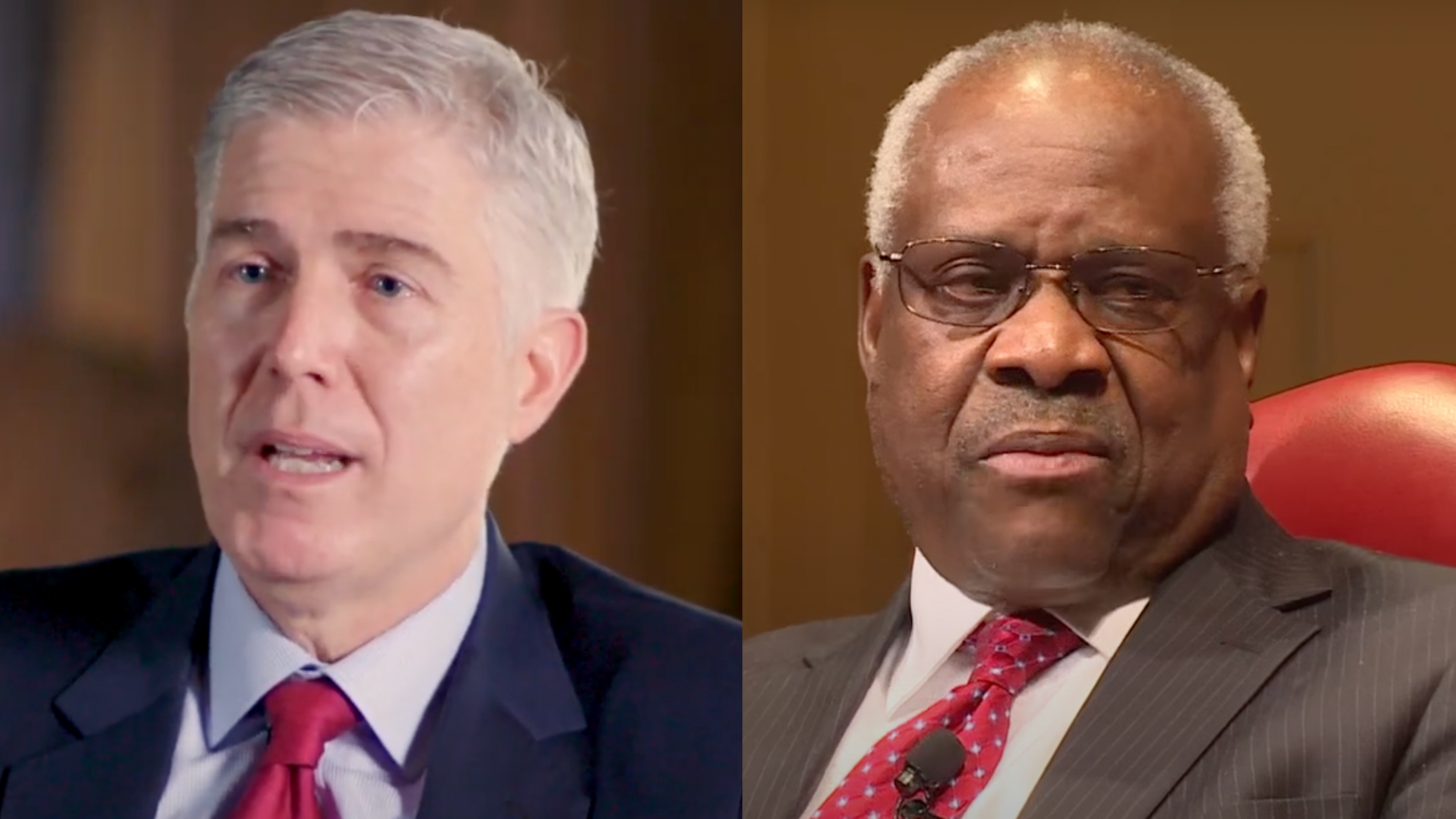
Justices Thomas and Gorsuch call for a revisiting of 1964 case that prevented public figures suing for defamation
Overturning the ruling could mean that public figures would have more recourse for lies told about them in media but…
-
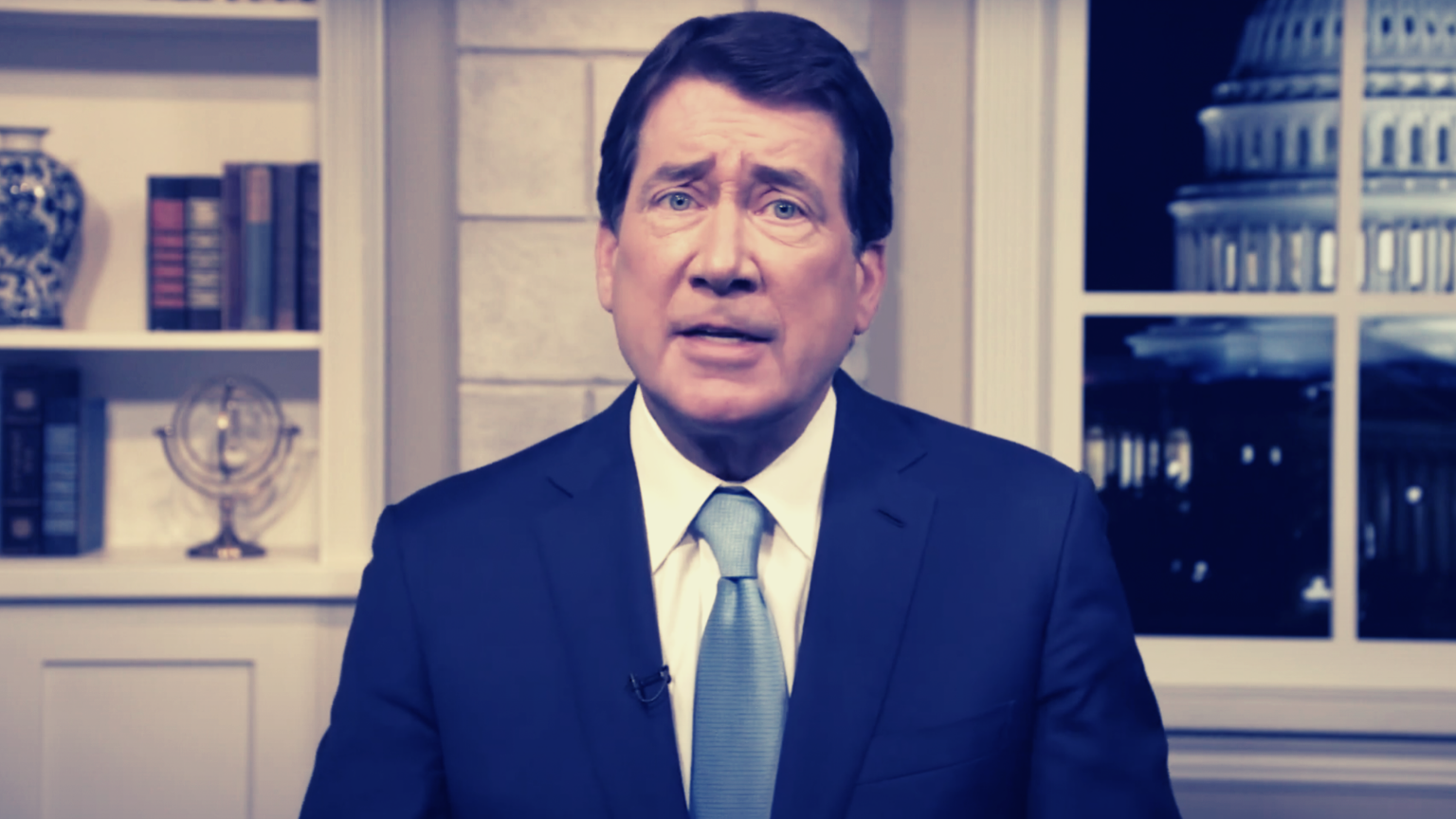
Sen. Bill Hagerty proposes bill to make platforms with over 100 million users “common carriers”
The latest bill aimed to curb Big Tech censorship.
-
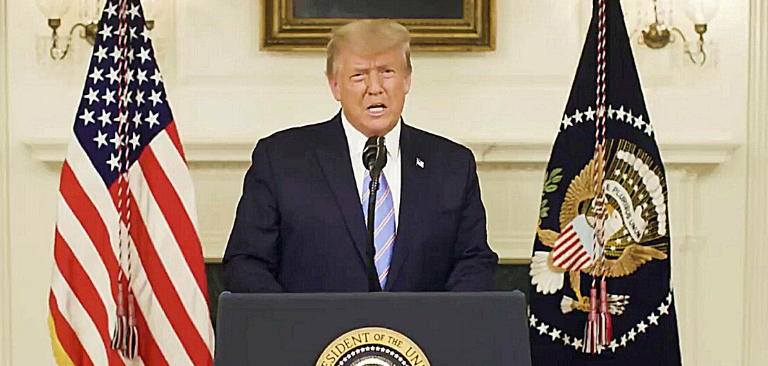
Twitter says archivers can’t archive Trump’s tweets on the platform
Twitter says the ban of Trump’s personal account also means a federally preserved archive will also be banned.
-
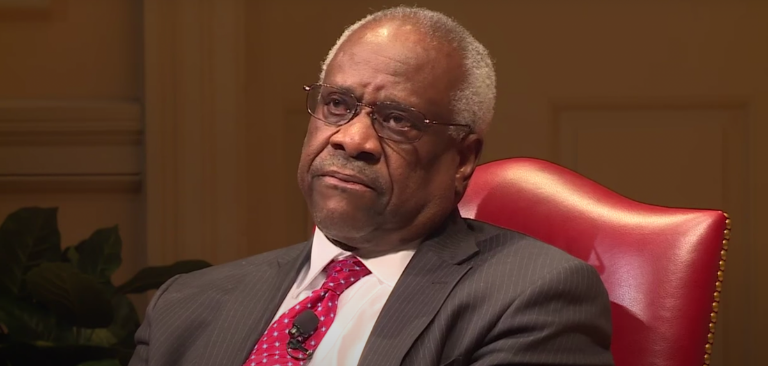
Here’s a summary of what Justice Clarence Thomas just said about Big Tech
Thomas hinted that big platforms should be treated similarly to common carriers.
-
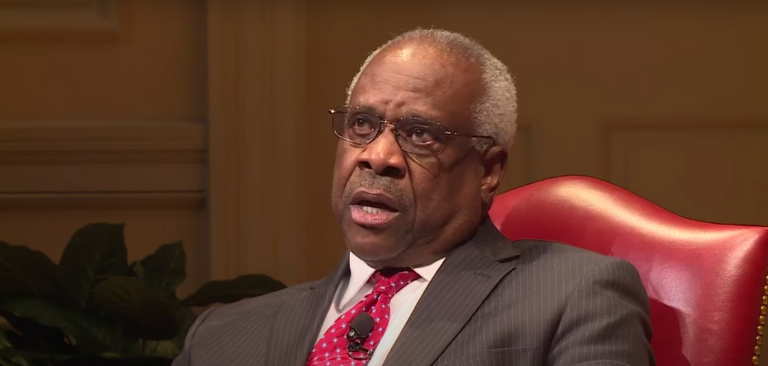
Customers want to know why Amazon removed Clarence Thomas documentary
The documentary was silently removed.