
Topic: UN Cybercrime Convention
The UN Cybercrime Convention poses significant risks to free speech and privacy by potentially enabling increased surveillance and censorship under the guise of combating cybercrime. Critics, including digital rights groups, warn that the convention’s provisions could undermine individual liberties and empower governments to impose stricter controls on online expression. This issue highlights the ongoing struggle against policies that prioritize state control over fundamental rights.
-
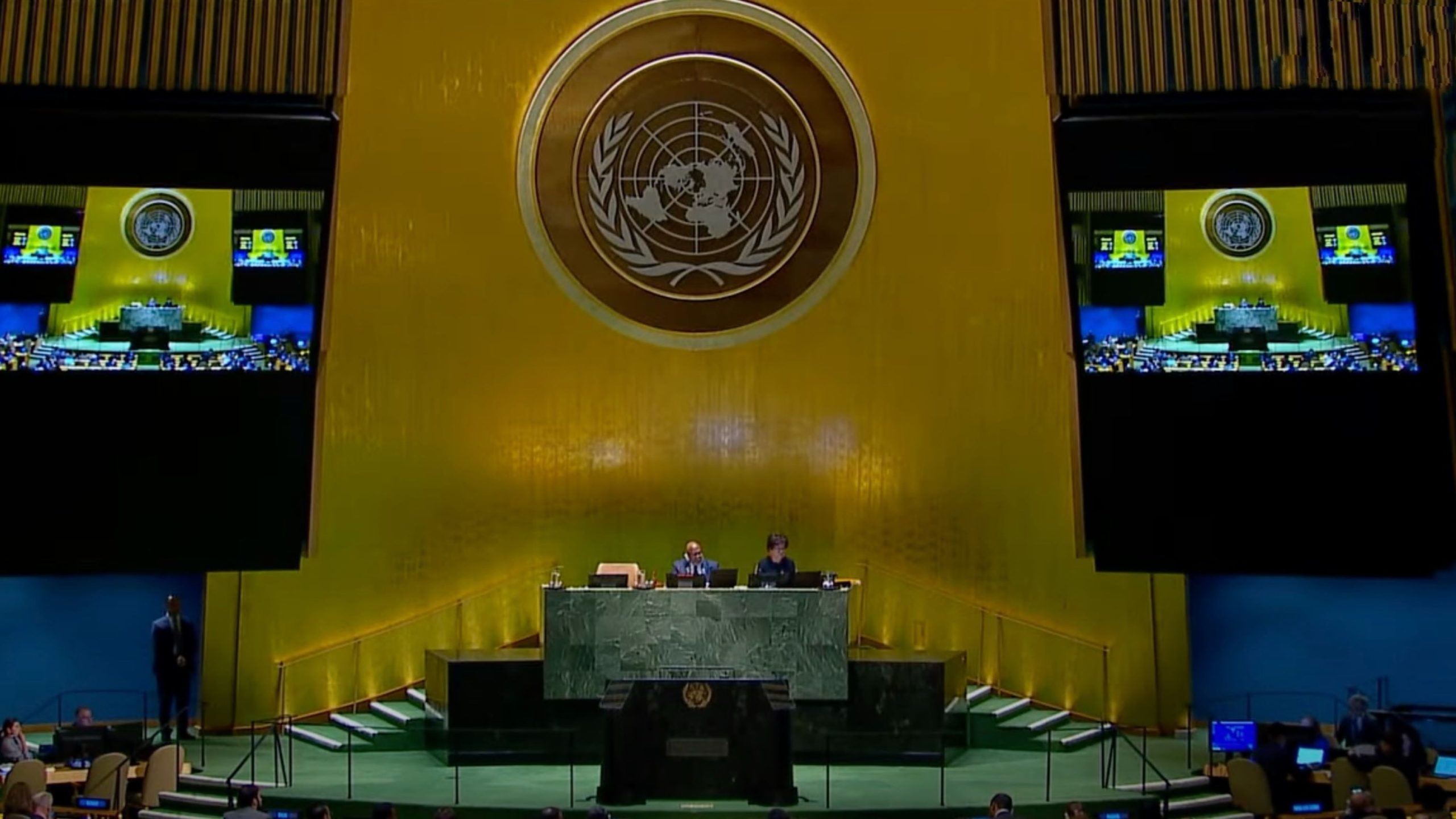
Digital Rights Groups Rally Against UN Convention That Threatens Free Speech and Privacy
Rights groups fear the convention could legitimize intrusive surveillance and undermine free speech if adopted without essential safeguards.
-

Time is Running Out For Free Speech and Privacy Revisions on Flawed UN Cybercrime Convention
Civil society groups demand urgent revisions as the treaty’s scope threatens fundamental rights and cybersecurity.
-
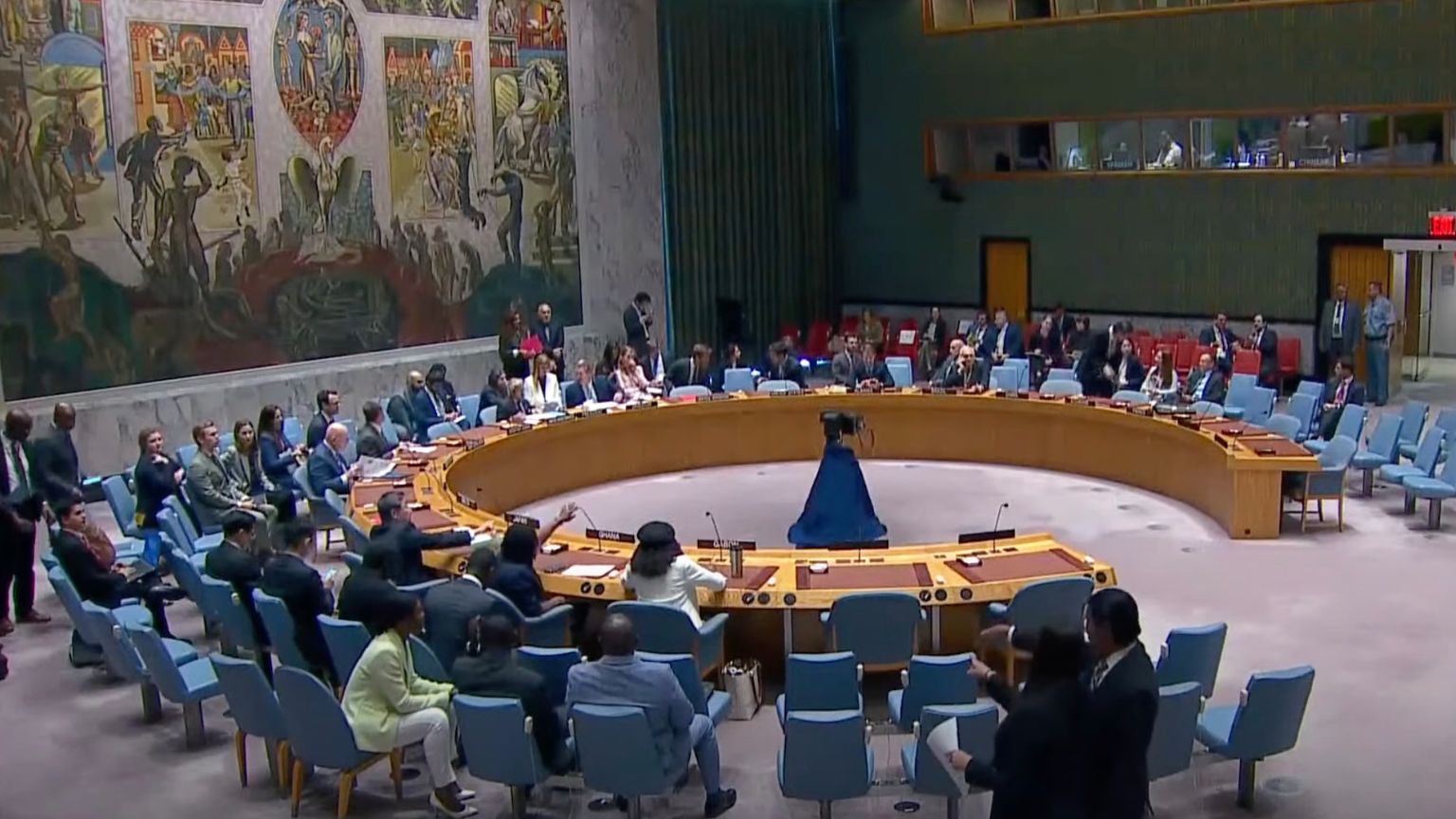
How The UN’s Cybercrime Convention Draft Is a Threat To Free Speech and Privacy Online
Unchanged, the new treaty will curb civil liberties.